
The EPA 6020 A method developed by the United States Environmental Protection Agency (EPA) describes the inductively coupled plasma mass spectrometry method.
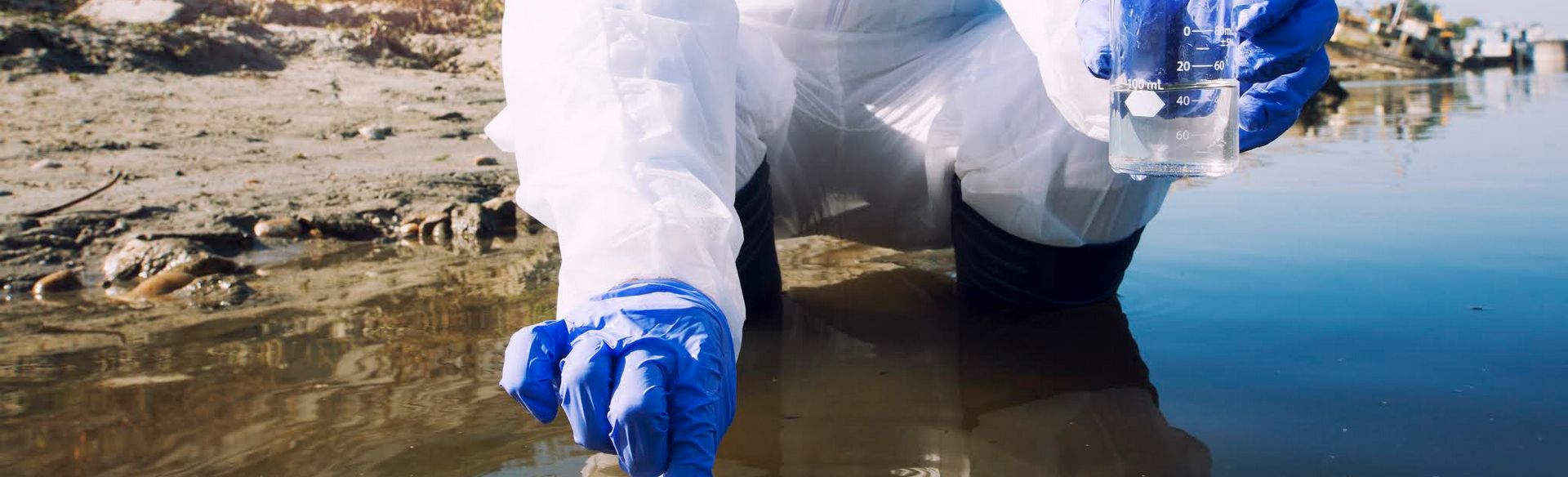
Inductively coupled plasma-mass spectrometry is applied to the determination of subconcentrations of numerous elements in water and wastewater samples . When dissolved components are needed, samples must be filtered and acid-preserved before analysis.
For dissolved elements in water samples, digestion is not required prior to analysis. Acid digestion is required prior to filtration and analysis for groundwater, aqueous samples, industrial wastes, soils, sludges, sediments and other solid wastes where total (acid leachable) elements are required.
The inductively coupled plasma mass spectrometry method has been applied to the determination of over 60 elements. The acceptability of the method for an element was formerly based on multi-laboratory performance compared with furnace atomic absorption spectroscopy or inductively coupled plasma-atomic emission spectroscopy.
Device detection limits, sensitivities, and linear ranges vary with equipment used and operating conditions. For relatively simple matrices, detection limits are generally below 0,02 ug/L.
In the tests and analyzes carried out in our organization, which has a wide range of technological equipment, trained and experienced staff and applies the most modern methods, national and international standards and legal regulations in force are complied with. Among the numerous tests performed in this context, there are also inductively coupled plasma (EPA 6020 A method) services.
To get an appointment, to get more detailed information or to request an evaluation, you can ask us to fill in our form and reach you.

