
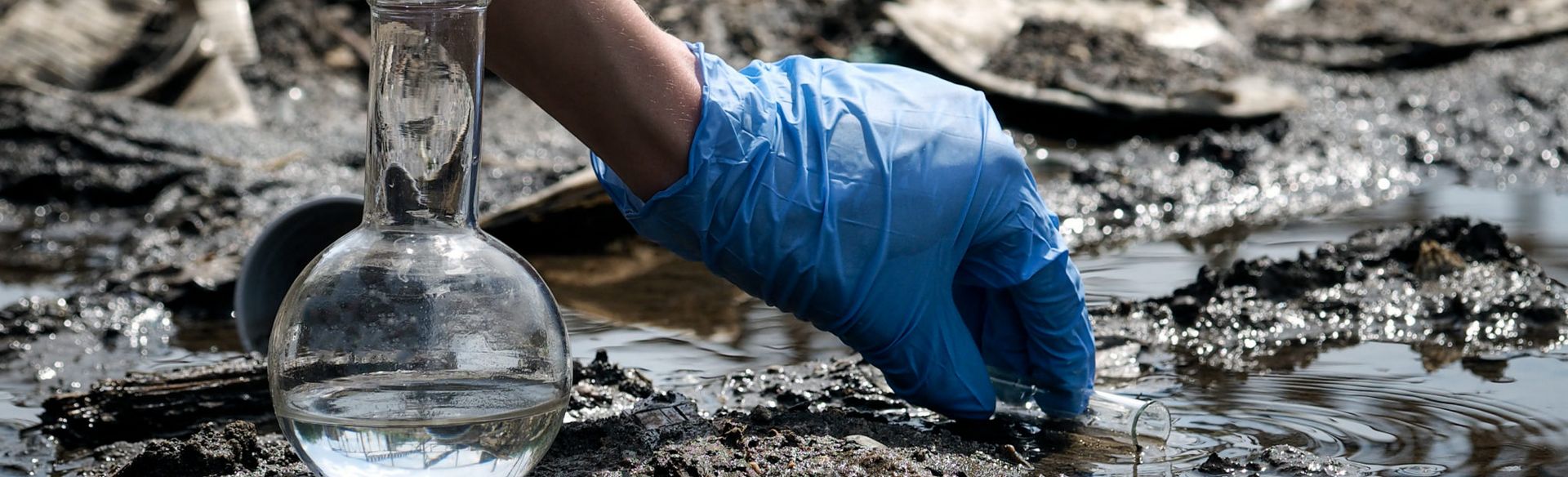
The phenol index is a concentration of different phenolic compounds according to the degree of color produced by 4-aminoantipyrine after distillation, expressed in milligrams of phenol per liter. In advanced laboratories, methods for determining the phenol index are applied in drinking water, surface water and waste water. Generally, after a pre-distillation, test samples are analyzed by:

The main standards based on waste phenol index determination studies are as follows:
In the testing, analysis, measurement, and evaluation studies carried out at our organization, national and international standards and current legal regulations are adhered to, and reliable and impartial results are obtained. These studies are based on state-of-the-art technological equipment, a trained and experienced staff, and modern methods. Among the numerous tests conducted within this scope are waste phenol index determination (TS EN 12457-4) services.
To get an appointment, to get more detailed information or to request an evaluation, you can ask us to fill in our form and reach you.

