
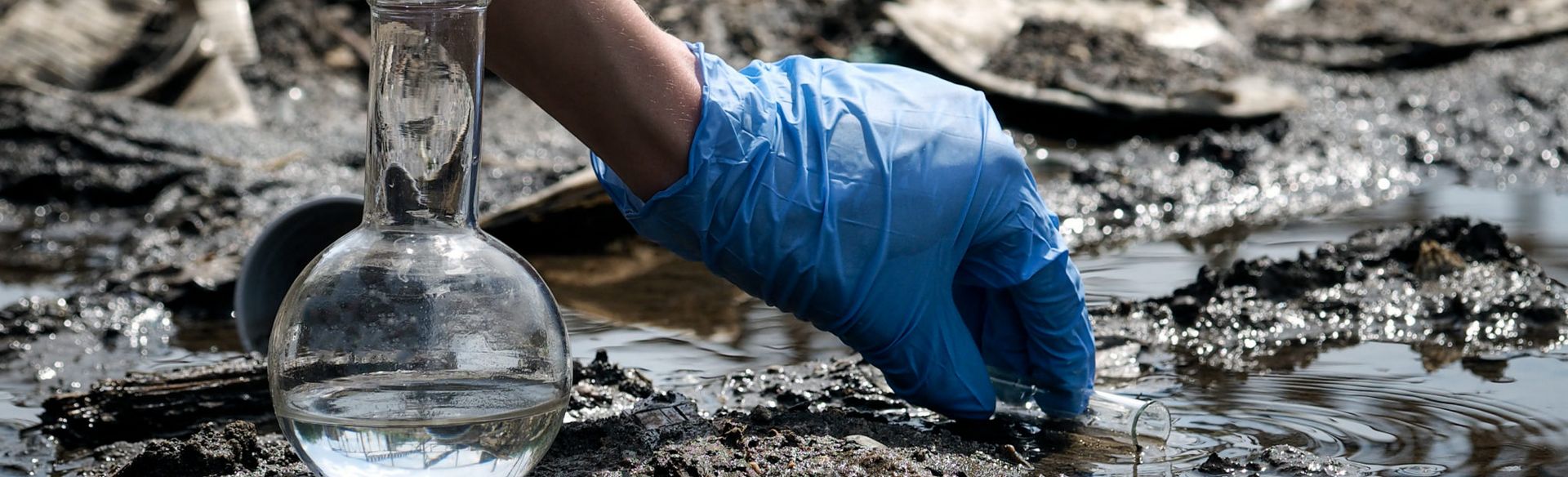
The waste oil management regulation issued by the Ministry of Environment and Urbanization regulates the principles for the temporary storage, collection, transportation, refining, energy recovery and disposal of waste oils. The main purpose of this regulation is to protect the environment and human health and to ensure the efficient use of natural resources.

The said legal regulation mainly regulates the following issues within the framework of waste oils and the management of these wastes:
Waste oils include mineral oils that are not suitable for their original use and are listed in the annex of the regulation.
Among the analysis of waste oil, there are flash point determination, chloride determination, total chlorine determination, liquid fuel analysis, density determination, ash content determination and heavy metal analysis (arsenic, cadmium, chromium, lead, phosphorus, zinc and calcium).
In these analyzes, the recovery of waste oils, their use as additional fuel or incineration at the hazardous waste disposal facility are evaluated.
These tests and analyzes are based on American Environmental Protection Agency (EPA), International Standards Organization (ISO) and European (EN) standards.
Our organization, equipped with extensive technological equipment and staffed with trained and experienced personnel, applies the most modern methods in its testing and analysis processes, adhering to both national and international standards as well as current legal regulations. Among the numerous tests conducted within this scope are waste oil analysis services.
To get an appointment, to get more detailed information or to request an evaluation, you can ask us to fill in our form and reach you.

