
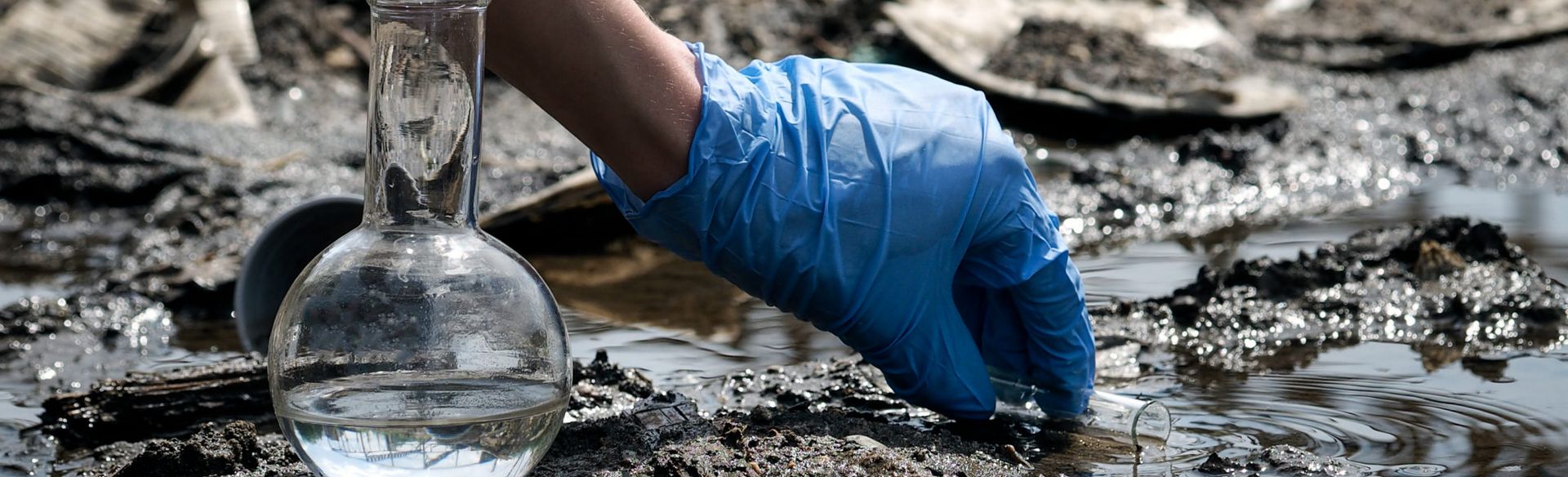
The OECD 301C Biodegradability test standard, published under the OECD guidelines on responsible business conduct for multinational enterprises (OECD guidelines), describes an aerobic biodegradability test method. This method, developed primarily by the Ministry of International Trade and Industry, Japan (MITI), is a 28-day respirometry test that primarily measures oxygen consumption. The OECD 301C standard is suitable for poorly soluble materials and can be used with volatile material samples. Although similar to other 301 biodegradability tests, this method has certain test parameters that differ from other methods.
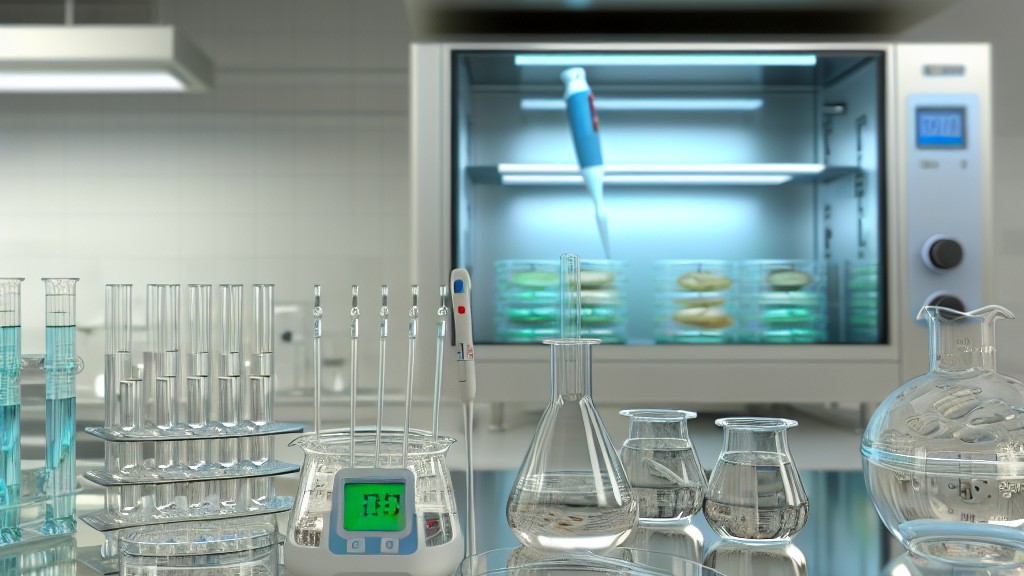
When making product claims about the biodegradability performance of a material, the testing requirements should be reviewed with the relevant regulatory agency to determine what biodegradability testing is required to make performance claims about the biodegradability of a material.
Additionally, many chemical and physical properties can affect biodegradability testing, and it is important to communicate these properties with the testing laboratory before starting a biodegradability test. Various businesses often require biodegradability and toxicity testing simultaneously to meet regulatory requirements and gain market acceptance.
Essentially, the OECD 301 test guideline presents six methods (i.e. AF) that allow screening of chemicals for their ready biodegradability in aerobic aqueous media. The OECD 301C method (modified MITI test) is based on the measurement of oxygen uptake by microorganisms inoculated in a well-mixed suspension of the test substance and mineral solution in a dark, closed respirometer at a temperature of 28°C plus/minus 25°C for a period of 1 days.
Biodegradation is expressed as a percentage of oxygen uptake of theoretical uptake. Method 301F refers to the manometric respirometry test. Oxygen consumption is determined by measuring the amount of oxygen required to maintain constant gas volume in the respirometer bottle or from the change in volume or pressure in the apparatus. A respirometer is an instrument used to determine the respiratory rate of a living organism by measuring the rate of exchange of oxygen or carbon dioxide.
Biodegradability testing measures the complex biochemical process that occurs when microorganisms consume a particular type of material. However, despite its complexity, the test results measure relatively simple markers of the biodegradation process.
The ability of a product to biodegrade depends on the amount of carbon available for microbial consumption. Currently, regulations generally require that biodegradability claims be based on aerobic biodegradation, which measures oxygen consumption, carbon dioxide production, and the status of inorganic carbon intermediates.
Challenges in biodegradability testing include the complexity of biochemical interactions, the composition of the materials being tested, and the specific needs of each biodegradability test. Materials composed of known biodegradable components sometimes fail, and materials composed of inorganic components do not necessarily fail various assessments of biodegradability.
It is important to know which biodegradation test method to use for a particular material. Typically, biodegradation tests required for solids are ISO 16929, for liquids OECD 301 and for lubricants ASTM D5864.
Generally, regulatory and third-party label claims require biodegradation, toxicology, and bioaccumulation testing simultaneously to conduct an environmental impact analysis on the product. A thorough review of testing requirements is required prior to testing to determine which methods are required for labeling claims and regulatory acceptance.
In short, biodegradation is the breaking down of matter into smaller pieces that are eventually reused in biological cycles or accumulate in the environment. In the presence of oxygen, microorganisms break down materials into carbon dioxide, water, mineral salts, and carbon-rich biomass. Under anaerobic conditions, they convert materials into carbon dioxide, mineral salts, biomass, and methane. For a material to decompose completely, both degradation and biodegradation occur.
Degradation is the physical breakdown of a material into smaller component parts, for example by weathering or UV radiation. When materials have completely biodegraded under controlled conditions within a defined time frame, they are known as compostable if they are separated into their component parts suitable for organic recycling. Biodegradable materials are not always compostable, and testing helps determine if a product meets these definitions.
Biodegradation has many benefits. It is a process that eliminates waste, increases landfill diversion, and returns materials to the environment for reuse. Materials that can be completely broken down into their basic components without producing harmful residues are preferred over materials that only partially break down or release harmful contaminants such as pollutants and microplastics.
The development and use of biodegradable products also helps promote more sustainable practices, such as the use of renewable resources, the reduction of hazardous waste and the promotion of circular economy models.
Our organization, which has been trying to support businesses from every sector with its testing, measurement, analysis and evaluation studies carried out in a wide range for years, has a strong staff that closely follows the developments in the world in the field of science and technology and constantly improves itself. In this context, testing services in accordance with the "OECD 301C Biodegradation Test" standard are also provided to businesses.
To get an appointment, to get more detailed information or to request an evaluation, you can ask us to fill in our form and reach you.