

The standard “ASTM E1447 Standard Test Method for Determination of Hydrogen in Reactive Metals and Reactive Metal Alloys by Inert Gas Fusion with Detection by Thermal Conductivity or Infrared Spectrometry” developed by the American Society for Testing and Materials (ASTM) is applicable to the determination of hydrogen in reactive metals and reactive metal alloys, particularly titanium and zirconium, with mass fractions between 9 mg/kg and 320 mg/kg.
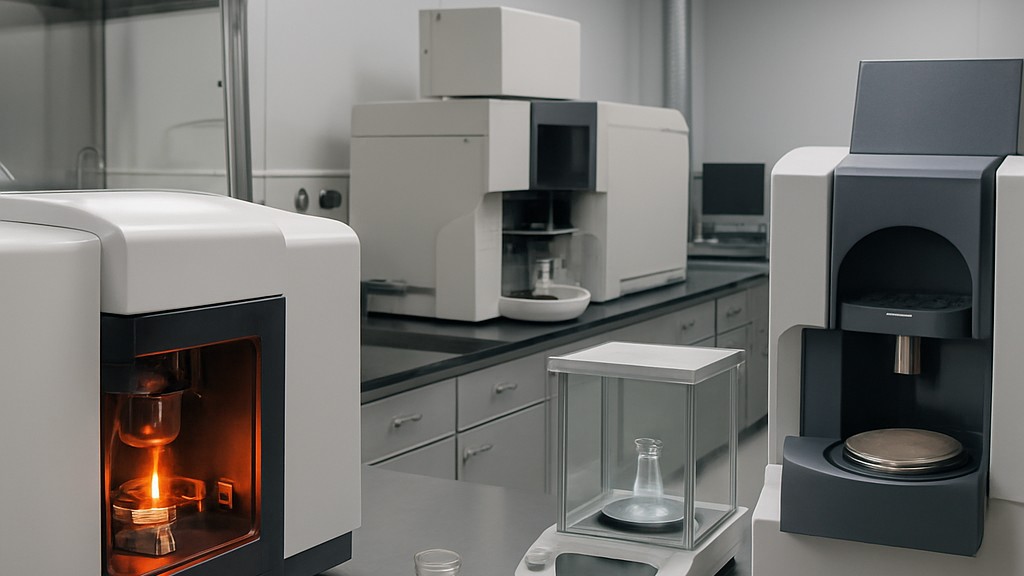
This method has been tested interlaboratory for titanium and zirconium, as well as their alloys, and can provide quantitative results within the range specified above. Extending the quantitative range of this method may be possible if a method validation study, as described in ASTM E2857, is conducted and the results demonstrate that the method extension meets the laboratory data quality objectives. This method can be extended to alloys other than titanium and zirconium, provided a method validation study, as described in ASTM E2857, is conducted.
This test method is designed for the routine analysis of reactive metals and reactive metal alloys to verify compliance with compositional specifications. All persons using this test method are expected to be trained analysts who can proficiently and safely perform common laboratory procedures. The work is expected to be performed in a suitably equipped laboratory.
ASTM E1447 provides a standard test method for determining the hydrogen concentration in titanium and its alloys using inert gas fusion. This method involves heating a sample in an inert gas atmosphere, typically argon or helium, to release hydrogen, which is then measured using a thermal conductivity detector or other analytical methods.
This standard is primarily used to ensure the quality and performance of titanium materials, as excess hydrogen can cause embrittlement, which affects mechanical properties. This standard outlines sample preparation, calibration, and analysis procedures to obtain accurate and reproducible results. The test method described is widely applied in industries such as aerospace and medical device manufacturing, where titanium's properties are critical.
The ASTM E1447 standard is necessary because even small amounts of hydrogen can significantly affect the quality and performance of titanium and its alloys. The primary reasons for this standard are:
By providing accurate hydrogen measurement using the inert gas fusion technique, the ASTM E1447 standard helps industries avoid costly failures and maintain high standards for titanium-based products.
Maintaining the test method described in this standard involves ensuring accuracy, precision, and conformance to the requirements of the standard. The basic steps for effectively maintaining this test method are as follows:
Our organization, which has been supporting businesses across all sectors for years through a wide range of testing, measurement, analysis, and evaluation activities, boasts a strong team of employees who closely follow global developments in science and technology and are constantly improving themselves. In this context, we also provide testing services in accordance with ASTM E1447 Standard Test Method for Determination of Hydrogen in Reactive Metals and Reactive Metal Alloys by Inert Gas Fusion with Thermal Conductivity or Infrared Spectrometry Detection."
To get an appointment, to get more detailed information or to request an evaluation, you can ask us to fill in our form and reach you.