

The standard “EN ISO 17294 Water quality - Application of inductively coupled plasma mass spectrometry (ICP-MS)”, which is based on a European standard and later published by the International Organization for Standardization (ISO), consists of the following sections published under the same title:
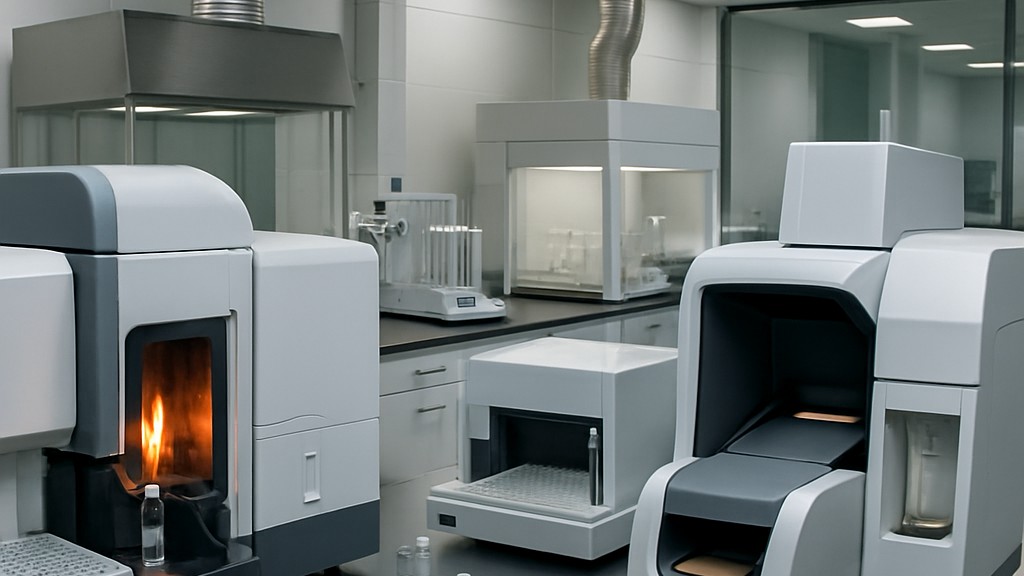
The final determination of the elements is described in a separate international standard for each element and matrix series. The relevant clauses of this standard refer the user to these guides for the basic principles of the method and the configuration of the instrument.
This standard provides general principles and guidelines for the use of ICP-MS in the analysis of water samples. These include:
This standard is primarily introductory and methodological, paving the way for the more specific procedural steps contained in EN ISO 17294-2, which details analytical methods for specific elements.
The EN ISO 17294-1 standard outlines how ICP-MS operates, its capabilities, and its suitability for multi-element determination at trace and ultra-trace levels. It also includes recommendations for sample preservation, storage, and preparation to ensure accurate and reliable results. It describes necessary quality assurance practices, including the use of certified reference materials, blanks, and calibration standards. It also addresses potential spectral and non-spectral interferences that can affect ICP-MS accuracy and ways to minimize them (e.g., the use of collision/reaction cell technology). Finally, it provides guidance on the installation, optimization, and maintenance of ICP-MS instruments for environmental water analysis.
ICP-MS is often used to:
The benefits of compliance with the EN ISO 17294-1 standard are:
As a result, EN ISO 17294-1 is the foundational standard for laboratories and organizations conducting water quality testing using ICP-MS. By adhering to this standard, analysts can achieve high-quality, consistent, and internationally recognized results, which are critical for protecting public health and the environment.
Taking into account specific and additional interferences, these elements can be determined in water and water and sludge digestions (e.g. in water digestions as described in the ISO 15587-1 or ISO 15587-2 standards).
The working range depends on the matrix and any interferences encountered. In drinking water and relatively uncontaminated water, the limit of quantification for most elements is between 0,002 µg/L and 1,0 µg/L. These values are included in the table titled "Lower limits of quantification for uncontaminated water" provided in the standard. The working range typically covers concentrations ranging from a few ng/L to mg/L, depending on the element and the specified requirements. The limits of quantification for most elements are affected by blank contamination and depend primarily on the laboratory's available air handling facilities, the purity of the reagents, and the cleanliness of the glassware.
The lower limit of quantification is higher in cases where the determination is affected by interferences or memory effects (ISO EN 17294-1).
Elements other than those specified in the scope may be determined according to this standard, provided that the user of the standard can appropriately validate the method (e.g. interferences, precision, repeatability, recovery).
This standard outlines a validated and reproducible method for using ICP-MS to quantitatively determine trace and ultra-trace levels of specific elements in various types of water:
This standard also includes guidance on the measurement of uranium isotopes, which are particularly important in environmental and radiological assessments.
The EN ISO 17294-2 standard includes procedures for the determination of up to 62 elements such as:
The salient points in this standard are:
The EN ISO 17294-2 standard is widely used in the following areas:
The advantages of the EN ISO 17294-2 standard are:
As a result, EN ISO 17294-2 is a critical standard for modern water quality assessment, providing a robust and sensitive method for determining a wide range of elements, including heavy metals and uranium isotopes, at very low concentrations. Laboratories adopting this method provide high-quality data that supports environmental protection, regulatory compliance, and public health.
Our organization, which has been operating for many years and meticulously follows global developments in science and technology, employs a team of experienced professionals and a broad infrastructure to conduct testing, measurement, and analysis in a wide range of areas for businesses across all sectors. In this context, we also provide testing services in accordance with the EN ISO 17294 Water quality - Application of inductively coupled plasma mass spectrometry (ICP-MS) standard.
To get an appointment, to get more detailed information or to request an evaluation, you can ask us to fill in our form and reach you.