
The AOAC 991.47 standard, developed by the Official Association of Analytical Chemists (AOAC), describes a test method involving testing disinfectants against the bacterial strain Salmonella choleraesuis.
The microorganisms for which a disinfectant is tested can be either planktonic microbes suspended in a liquid or a community of surface-associated microbes. Various suspension testing methods are widely used, for example, to screen chemicals for antimicrobial activity and to evaluate the efficacy of drinking water disinfectants or recreational water disinfectants.
Briefly, the surface disinfectant test is performed as follows. Some of the germ-carrying carriers are treated with disinfectant, some serve as untreated carriers. At the end of the specified contact time, the disinfectant is neutralized to stop its activity. Untreated carriers are generally treated the same as processed carriers, except that an inactive treatment, such as dilution water, is applied instead of disinfectant.
An effective disinfectant formulated to kill most germs in the treated carrier. When an effective disinfectant is tested, treated carriers should retain as few live microbes as untreated carriers. Therefore, disinfectant efficacy is determined by comparing a measure of viable microbes on treated carriers with that on untreated carriers.
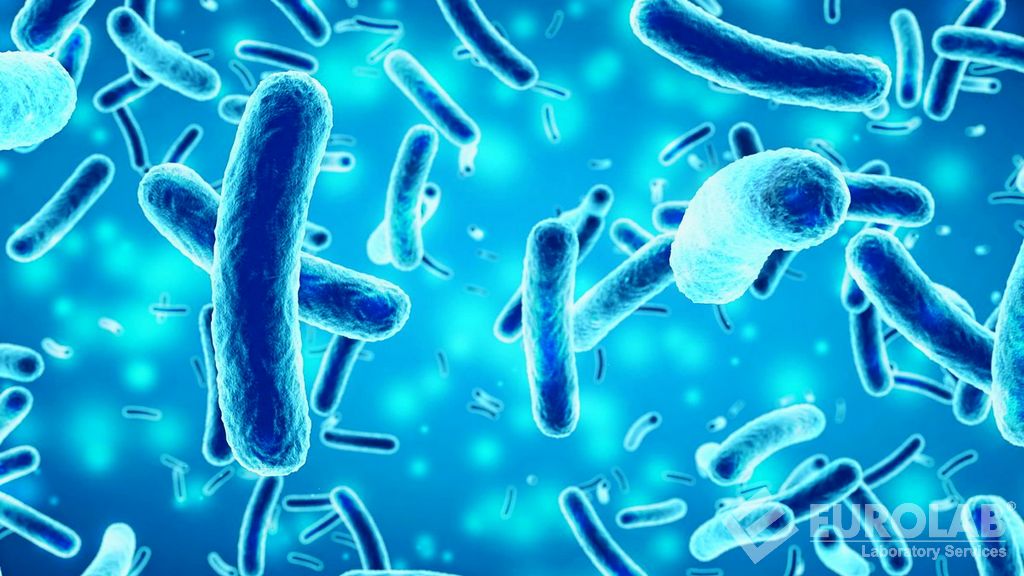
Salmonella choleraesuis is a species of salmonella that is highly pathogenic in humans, causing septicemic disease, usually with little or no intestinal involvement.
Disinfectant efficacy testing is carried out to determine the biocidal effect of a disinfectant against the organisms it is intended to be used against in the environment where it is applied. Verifying the effectiveness of a selected disinfectant is the responsibility of the manufacturer. A comprehensive verification procedure requires testing the selected disinfectants against specific organisms and surfaces.
Hard surface testing generally includes: complete method development and neutralization validation, disinfectant contact times, disinfectant efficacy on surfaces, efficacy against microorganisms in the environment , and efficacy against compendial organisms.
Among the numerous test, measurement, analysis and evaluation studies it provides for businesses in various sectors, our organization also provides testing services against salmonella choleraesuis bacteria type of disinfectants within the scope of AOAC 991.47 standard, with its trained and expert staff and advanced technological equipment.
To get an appointment, to get more detailed information or to request an evaluation, you can ask us to fill in our form and reach you.

