
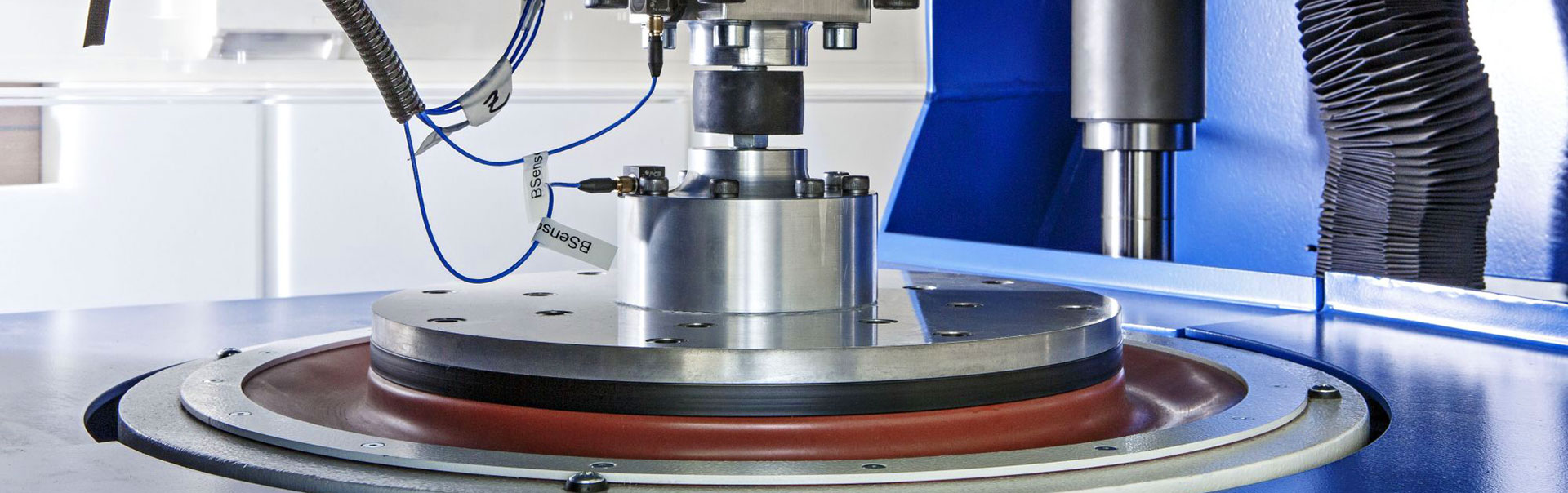
The standard "ASTM D1331 Standard Test Methods for Surface and Interfacial Tension of Surfactant Solutions" published by the American Society for Testing and Materials (ASTM) describes test methods for determining the surface tension and interfacial tension of various liquid materials, including but not limited to paints, solvents, and surfactant solutions, as defined in the ASTM D459 standard.
Four different testing methods designed to provide accurate and repeatable results are discussed below:
These methods provide useful data for evaluating the effectiveness of surfactants in reducing surface tension. Furthermore, surface tension data can predict interactions between liquids and solid surfaces or other liquids and can be used to determine the wetting properties of paints, solvents, and other liquids. Many laboratories have found the Wilhelmy plate to be easier to use, easier to clean, and generally easier to use with pigmented paints. Meanwhile, in surface science, the du Noüy ring method is a technique used to measure the surface tension of a liquid.
In short, ASTM D1331 provides a comprehensive framework for measuring the surface and interfacial tension of a variety of liquid materials, including paints, solvents, and surfactant solutions. This standard is widely used across industries to evaluate the behavior of liquids in contact with other liquids or solid surfaces, which is critical for applications such as coatings, adhesives, and emulsions.
This standard covers the determination of surface tension and interfacial tension for various liquids and is applicable to:
The test methods described in the ASTM D1331 standard are critical for:
The Wilhelmy plate method is particularly notable for its practicality in processing pigmented paints, as it is easier to clean and less affected by viscosity compared to the du Noüy ring method.
The ASTM D1331 standard emphasizes the importance of safety. Users should:
This standard complies with the international standardization principles established by the World Trade Organization's Committee on Technical Barriers to Trade, ensuring its global validity.
This standard has undergone several revisions to incorporate advances in measurement techniques and broaden its applicability. In the most recent update, its scope has been expanded to include dyes and solvents in addition to surfactants. Previous versions focused primarily on surfactants and included only two methods (the du Noüy ring for surface and interfacial tension). The addition of Wilhelmy plate methods in subsequent revisions reflects technological advances and industry needs.
As a result, ASTM D1331 is a vital standard for industries that rely on precise measurements of surface and interfacial tension. Four test methods for both surface and interfacial tension—du Noüy ring and Wilhelmy plate—provide versatile tools for evaluating fluids used in paints, solvents, and surfactants. Providing reliable data for quality control and performance prediction, this standard promotes innovation and consistency in materials science applications.
Our organization, which has been serving businesses for many years and meticulously following global developments in science and technology, employs a team of experienced professionals and a broad infrastructure to conduct testing, measurement, and analysis in a wide range of areas for businesses across all sectors. In this context, we also provide testing services in accordance with ASTM D1331 Standard Test Methods for Surface and Interfacial Tension of Surfactant Solutions.
To get an appointment, to get more detailed information or to request an evaluation, you can ask us to fill in our form and reach you.