
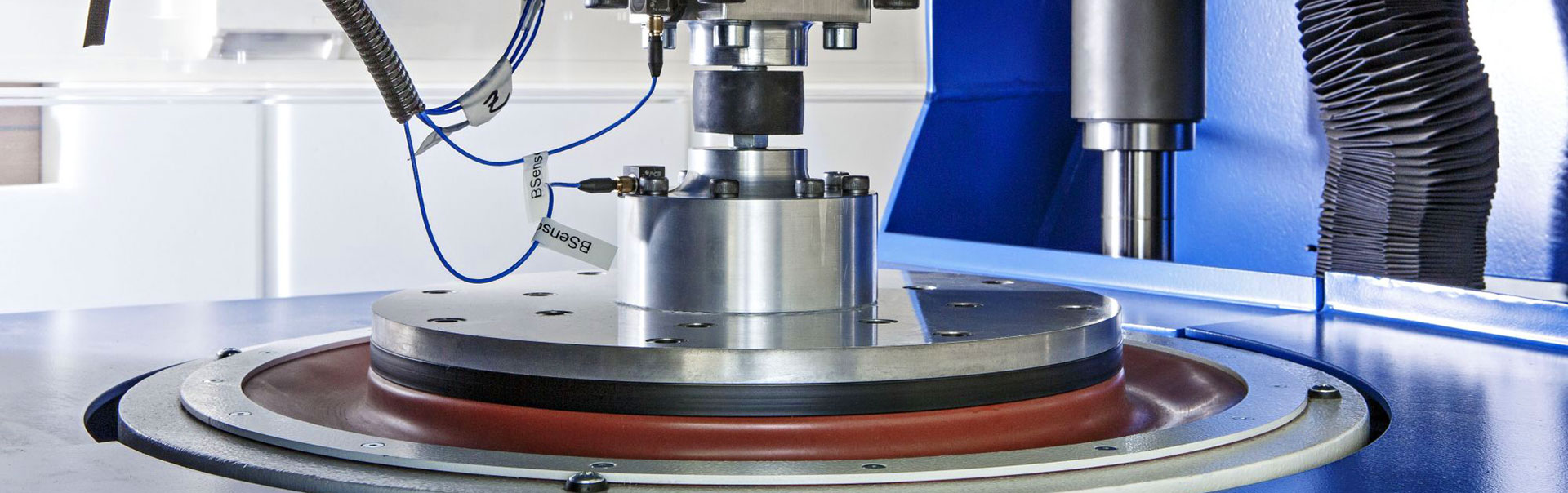
The ASTM D2512 Standard Test Method for Compatibility of Materials with Liquid Oxygen (Impact Susceptibility Threshold and Retain-in Techniques), developed by the American Society for Testing and Materials (ASTM) , describes a procedure for determining the compatibility and relative susceptibility of materials to liquid oxygen under impact energy using an Army Ballistic Missile Agency type impact testing machine. Materials susceptible to impact with liquid oxygen are generally also susceptible to reactions with other forms of energy in the presence of oxygen.
This standard should be used to measure and describe the heat and flame response properties of materials, products, or assemblies under controlled laboratory conditions and should not be used to define or assess the fire hazard or fire risk of materials, products, or assemblies under actual fire conditions. However, the results of this test may be used as elements of a fire risk assessment that takes into account all relevant factors in assessing the fire hazard of a particular end use.
When this test method is used to measure the threshold impact sensitivity of a material, a relative sensitivity assessment is obtained, allowing materials to be ranked.
This test method can also be used in acceptance testing of materials to be used in liquid oxygen systems. Twenty individual material samples immersed in liquid oxygen are subjected to 98 J or the specified value. Impact energy is delivered through a 12,7 mm diameter contact point. More than one sensitivity indicator is grounds for immediate rejection. A single explosion, flash, or other sensitivity indicator in the first 20 tests will require the testing of an additional 40 samples without problems to ensure the material's acceptability.
Threshold values are determined at ambient pressure using this test method. It is known that the sensitivity of materials to mechanical impact increases with increasing pressure. Since most liquid oxygen systems operate at pressures above ambient, the increased sensitivity and reactivity of materials at higher pressures should be considered when selecting materials for use in pressurized systems.
In short, ASTM D2512 is a critical procedure used to evaluate the compatibility and sensitivity of materials exposed to liquid oxygen under impact energy. This standard was primarily designed for aerospace applications where materials interact with liquid oxygen, a highly reactive substance. Although this standard has been discontinued, it remains important for understanding material safety in oxygen-rich environments.
ASTM D2512 standard provides a method for evaluating the compatibility and relative sensitivity of materials in contact with liquid oxygen, focusing on the response of materials to impact energy. This test method is conducted using an Army Ballistic Missile Agency-type impact tester. The primary objectives of this standard are to:
This standard emphasizes that impact-sensitive materials in liquid oxygen often respond to other forms of energy in oxygen-rich environments, making this test a critical safety assessment tool.
The essential elements of the ASTM D2512 standard test method are:
This standard does not address all safety concerns and is designed for laboratory-controlled conditions. The results contribute to fire risk assessments but are not accurate indicators of real-world fire hazards.
The ASTM D2512 standard is widely used in industries where liquid oxygen is prevalent, particularly in aviation and propulsion systems. Its importance lies in the following:
For example, a collaborative testing program involving NASA and the National Institute of Standards and Technology (NIST) used ASTM D2512 to evaluate the oxygen compatibility of aluminum-lithium alloys, highlighting its role in advanced materials testing. Variations in test parameters among laboratories highlighted the need for standardized procedures to reduce variations in results.
While the ASTM D2512 standard is a valuable tool, it does have some limitations:
As a result, the ASTM D2512 standard test method provided a critical framework for assessing material safety in oxygen-rich environments, particularly for aerospace applications. By measuring impact sensitivity and establishing pass-fail criteria, it supported the safe selection of materials for liquid oxygen systems. Despite its repeal, the standard's methodologies and past applications remain valuable to researchers and engineers. For current applications, alternative or updated standards should be explored to ensure compliance with modern safety requirements.
Our organization, which has been operating for many years and meticulously follows global developments in science and technology, employs a team of experienced professionals and a broad infrastructure to conduct testing, measurement, and analysis in a wide range of areas for businesses across all sectors. In this context, we also provide testing services in accordance with ASTM D2512 Standard Test Method for Material Compatibility with Liquid Oxygen (Impact Sensitivity Threshold and Pass-Fail Techniques).
To get an appointment, to get more detailed information or to request an evaluation, you can ask us to fill in our form and reach you.