
The standard "ASTM D5454-11 Standard Test Method for Water Vapor Content of Gaseous Fuels Using Electronic Moisture Analyzers" developed by the American Society for Testing and Materials (ASTM) describes a test method for determining the water vapor content of gaseous fuels using electronic moisture analyzers. Such analyzers typically use sensing cells based on phosphorus pentoxide, aluminum oxide or silicon sensors, piezoelectric type cells and laser-based technologies.
For the purposes of this standard, the following terms and definitions apply:
Water content in fuel gas is the most important factor affecting internal corrosion. Hydrates, a semi-solid combination of hydrocarbons and water, form under suitable conditions, causing serious operating problems. Fuel heating value decreases with water concentration. Therefore, water concentration levels are frequently measured in natural gas systems. A common pipeline specification is 4 to 7 pounds per million standard cubic feet. This test method describes the measurement of water vapor content with direct-reading electronic instrumentation.
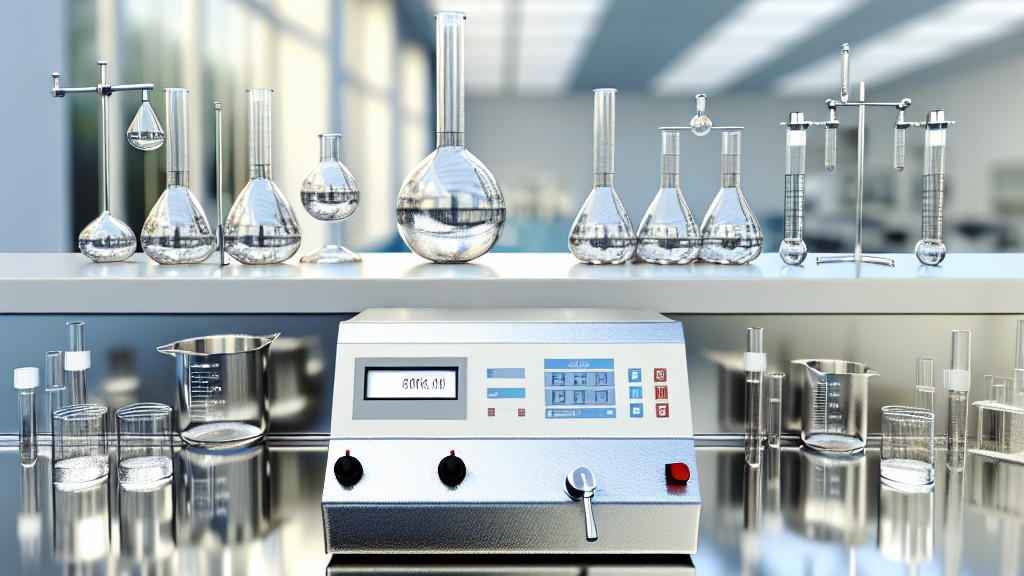
Moisture analyzer is a device that determines moisture content by the loss in drying method and consists of a weighing and halogen heating unit. It is suitable for quality control and production needs in food, pharmaceutical, chemical and other industries.
In general, contracts governing the pipeline transportation of natural gas include specifications that limit the maximum permissible water vapor concentration. Excessive water vapor can cause corrosive conditions, damaging pipelines and equipment. It can also condense and freeze or form methane hydrates and cause blockages. Water vapor content also affects the heating value of natural gas, thus affecting the quality of the gas. This test method allows the water content of natural gas to be determined.
If an acceptable graph showing the variation of water vapor content with saturation or water dew point temperatures over a suitable pressure range is available for the gas under test, the water vapor content can be calculated directly using the observed water dew point temperature and the pressure at which the determination is made.
Among the numerous testing, measurement, analysis and evaluation studies that our organization has provided for businesses in various sectors, it also provides testing services defined in the standard “ASTM D5454-11 Standard test method for water vapor content of gaseous fuels using electronic moisture analyzers” with its trained and expert staff and advanced technological equipment.
To get an appointment, to get more detailed information or to request an evaluation, you can ask us to fill in our form and reach you.