
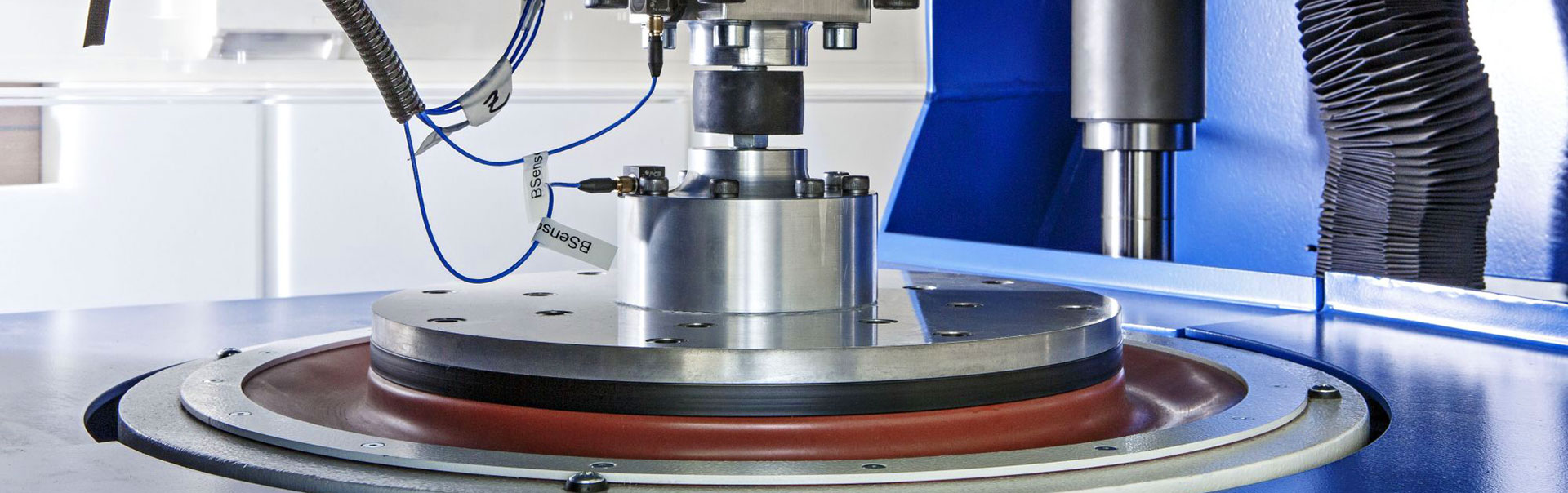
Developed by the California Department of Public Health (CDPH), “California CDPH 01350 California Standard for Assessment and Reduction of VOC Emissions” is a specification known as the CDPH standard method. This specification is the most important standard in the United States for the assessment and reduction of volatile organic compound (VOC) emissions in indoor air.
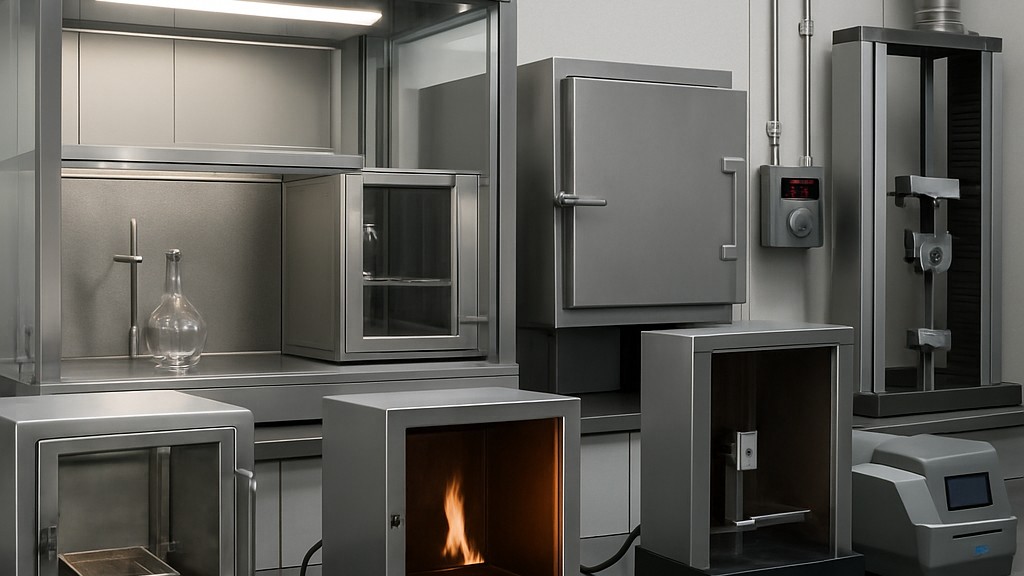
According to this standard, the measurement and evaluation process consists of the following steps:
The latest update to the standard, commonly known as California Specification 01350, which provides a standard method for testing and evaluating volatile organic chemical emissions from indoor sources using environmental chambers, has expanded its scope. As such, it is one of the most widely used standards for evaluating building and indoor products for low chemical emissions. This standard is often the first step for manufacturers new to product emissions testing.
Materials for testing are prepared according to standard operating instructions and conditioned for 10 days prior to chamber testing. Samples are then introduced into a dynamic environmental chamber for volatile organic compound (VOC) measurements at equilibrium times of 11, 12, and 14 days. Air samples from the chamber are analyzed by gas chromatography-mass spectrometry for VOCs and high-performance liquid chromatography for formaldehyde and other aldehydes.
Data reports include emission rates for the product and estimated indoor concentrations in various environments, such as offices, classrooms, and residential areas. For 36 listed volatile organic compounds, estimated concentrations are compared to maximum allowable levels.
The CDPH 01350 standard method is referenced by some of the most widely used green building rating systems and codes. This allows manufacturers to invest in a product emissions test that meets a wide range of requirements.
Volatile organic compounds (VOCs) are chemicals that evaporate into the air, causing pollution and health risks. Common VOCs, such as formaldehyde and benzene, are found in products like paints and adhesives and are linked to serious health problems, including cancer. Reducing exposure to volatile organic compounds , especially indoors, is vital for protecting health.
Reducing volatile organic compounds is considered important for the following reasons:
One of the main ways to minimize VOC exposure is through the California CDPH 01350 standard. This testing protocol is specifically designed to measure the number of VOCs emitted by products used indoors, such as furniture and building materials. While VOCs cannot be eliminated, this test helps ensure that products meet air quality standards that reduce harmful emissions. This test places products in environmental chambers that simulate real-world conditions and determines how many VOCs they emit over time.
Our organization, which has been supporting businesses across all sectors for years through a wide range of testing, measurement, analysis, and evaluation activities, has a strong team of employees who closely follow global developments in science and technology and are constantly improving themselves. In this context, we also provide testing services in accordance with the California CDPH 01350 standard for the assessment and reduction of VOC emissions.
To get an appointment, to get more detailed information or to request an evaluation, you can ask us to fill in our form and reach you.