
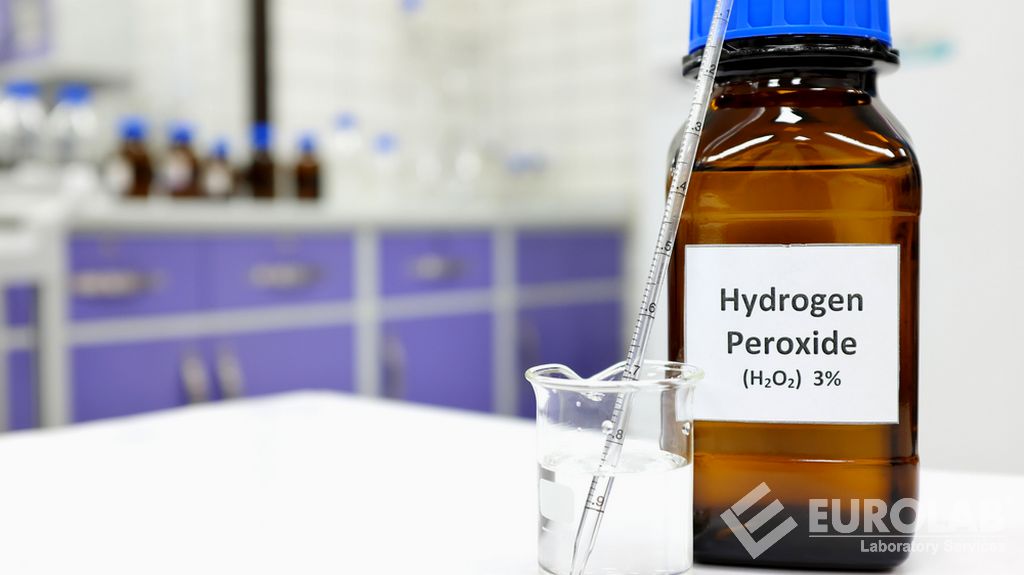
Hydrogen peroxide (or hydrogen peroxide) is a chemical compound used to process milk or to clean and purify equipment. The purpose of this analysis is to detect possible traces of hydrogen peroxide in milk and dairy products. Hydrogen peroxide is a non-toxic preservative and can be easily removed without leaving any residue. Generally, hydrogen peroxide is used as a preservative and large quantities of milk taken from production areas are transported to industrial areas, thus reducing losses due to poor transportation. During this transportation, it is recommended to use hydrogen peroxide in low concentrations (between 0.01-0.08 percent) especially in regions with hot climates.
The general approach is that any milk preservative, including hydrogen peroxide, has these properties:
Hydrogen peroxide is capable of meeting all these demands.
It has been found that the preservation quality of milk treated with hydrogen peroxide is significantly improved compared to milk without added hydrogen peroxide. The Food and Agriculture Organization (FAO) considers a hydrogen peroxide concentration of 0.04-0.05% sufficient to preserve milk for up to 24 hours. Essentially, the FAO is against the use of any preservatives in milk and recommends their use only in exceptional circumstances. In countries without highly developed milk processing systems, the accepted concentration is between 0.01-0.08%. It has been found that treating milk with 0.05% hydrogen peroxide at 24 degrees Celsius for 8 hours has no significant effect on B complex vitamins or fat-soluble vitamins and only slightly reduces the nutritional value of protein. However, prolonged treatment and high concentrations of hydrogen peroxide have been found to cause changes in milk protein. Furthermore, ascorbic acid oxidation changes inversely proportionally to the amount of hydrogen peroxide added. Milk vitamins are minimally affected by hydrogen peroxide treatment; only ascorbic acid is significantly impacted.
Our organization also provides hydrogen peroxide analysis services with its trained and expert staff and advanced technological equipment, among the numerous test, measurement, analysis and evaluation studies it provides for businesses in various sectors.
To get an appointment, to get more detailed information or to request an evaluation, you can ask us to fill in our form and reach you.

