
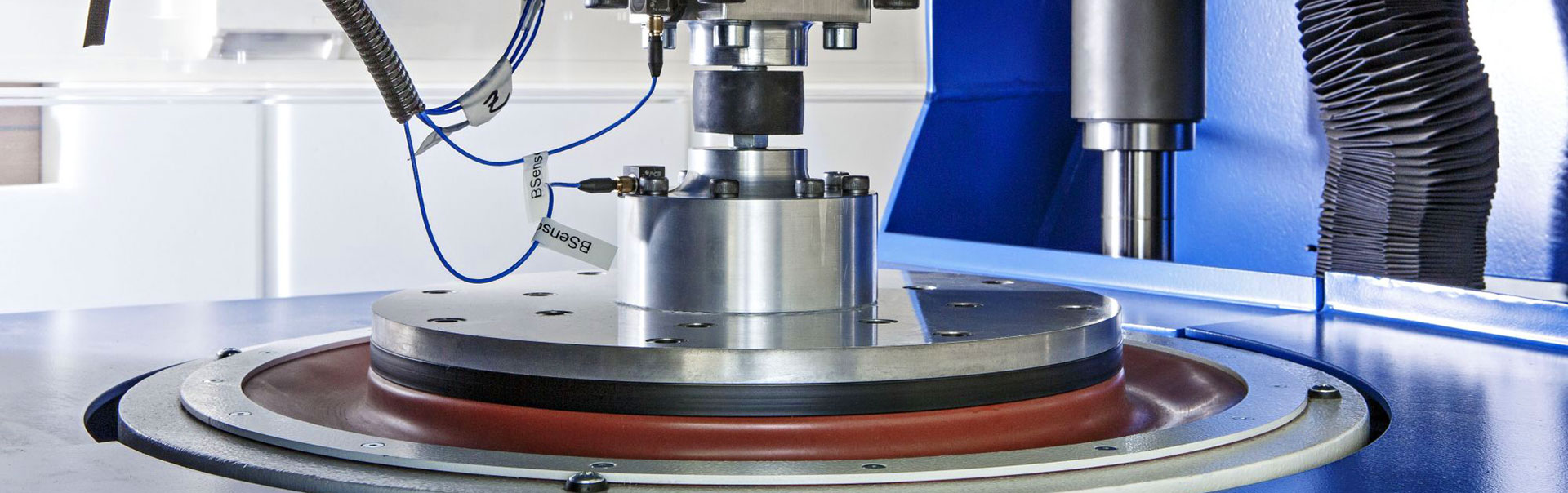
The International Organization for Standardization (ISO) standard "ISO 304 Surfactants - Determination of surface tension by formation of liquid films" describes a test method for determining the surface tension of aqueous or organic surfactant solutions and mixtures containing one or more surfactants by formation of liquid films. This standard is also applicable to the measurement of surface tension of pure liquids or solutions other than those specified above.
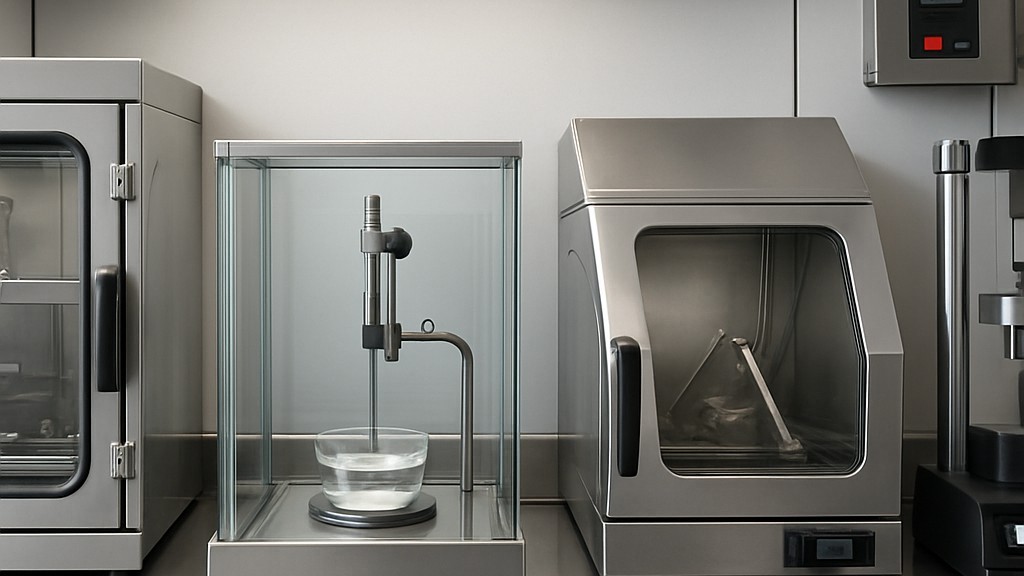
Numerous methods have been established for determining surface tension. Here are a few:
Methods based on drawing liquid films have significant advantages in terms of the simplicity of their procedures and the commercial availability of highly automated devices.
Surface tension is a fundamental property of liquids in general, and of aqueous solutions of surfactants in particular. However, measuring this property does not allow any assumptions about surfactant solutions' detergency, wetting, foaming, or emulsifying activities. Indeed, no correlation can be established between the performance properties of surfactants and the surface tension of their solutions.
This test method is based on measuring the maximum force that must be applied vertically to a stirrup or ring placed in a measuring vessel in contact with the surface of the liquid under investigation to separate the liquid from that surface, or to a plate in contact with the surface to form a film. Because this method is applicable to pure liquids and solutions, it is valuable for industries such as cosmetics, detergents, and chemical manufacturing.
When performing the test, liquid is placed in a measuring cup and the force required to separate the object from the liquid surface or to form a formed liquid film is recorded. This force is directly related to the surface tension of the liquid, expressed in units of force per unit length. Surface tension is calculated based on the force and the geometry of the device. This method is sensitive and provides consistent measurement of surface tension, which is critical for understanding the behavior of surfactants in various applications.
The ISO 304 standard is primarily used in industries where surface-active agents (surfactants) play a critical role. Surfactants are compounds that reduce the surface tension of liquids, resulting in better mixing, emulsification, or dispersion. Their primary applications include:
The ISO 304 standard provides a standardized and repeatable method for measuring surface tension, ensuring consistency across laboratories and industries worldwide. This is critical for quality control, product development, and regulatory compliance.
While this standard is effective for many liquids, it may not be suitable for all solutions or conditions, such as high-viscosity liquids or extreme temperatures. The standard is currently under review for possible updates to address modern measurement techniques or new types of surfactants.
Determining surface tension by drawing liquid films, as specified in the ISO 304 standard, is important for several reasons, particularly in industries and scientific applications where surface-active substances (surfactants) are critical. The primary reasons for this standard's importance are:
Using the liquid film method, industries can reliably evaluate surfactant performance, improve product quality, and foster innovation, making it a key element for both practical applications and research.
As a result, the ISO 304 standard is a vital standard for industries that rely on surfactants, providing a reliable method for measuring surface tension. Its applications span a wide range of sectors, from household products to advanced chemical processes. As the standard evolves, it continues to support innovation and quality assurance in surfactant-related technologies.
Our organization, which has been serving for many years and meticulously following global developments in science and technology, employs a team of experienced professionals and a broad infrastructure to conduct testing, measurement, and analysis in a wide range of areas for businesses across all sectors. In this context, we also provide testing services in accordance with the ISO 304 standard "Surface-active substances - Determination of surface tension by forming liquid films."
To get an appointment, to get more detailed information or to request an evaluation, you can ask us to fill in our form and reach you.