
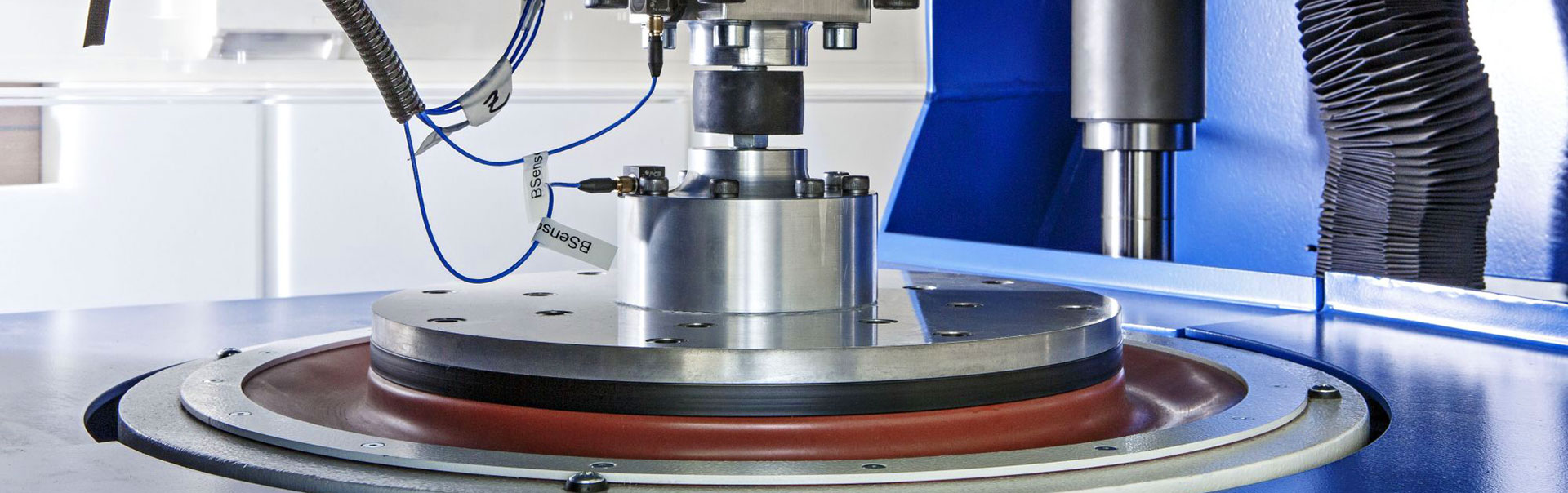
The standard “ISO 9396 Plastics - Phenolic resins - Determination of gel time at a specified temperature using automatic apparatus” published by the International Organization for Standardization (ISO) describes a method for determining the gel time of phenolic resins at a specified temperature using automatic apparatus under specified conditions.
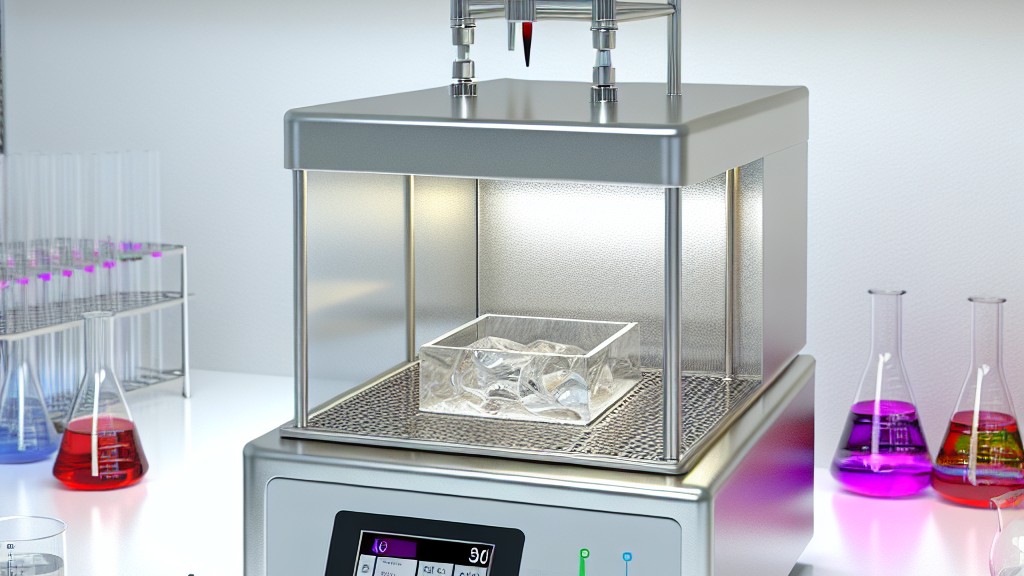
The test temperatures are 100 degrees, 130 degrees and 150 degrees. The specified method uses a driven piston to perform a vertical reciprocating motion. This method is applicable to the following types of phenolic resins:
Powdered resins with short gel times, such as mixtures of novolac and hexamethylenetetramine, are not suitable for this type of determination. Such resins cross-link as soon as fusion begins and become too viscous to give meaningful results in the test tube. Resins containing large amounts of solvent with a low boiling point are particularly unsuitable for this type of determination. In such resins, a boiling and distillation process takes place as the resin hardens. It may be of interest to determine the time taken for the resin to gel in the presence of a catalyst. The catalyst should be added in well-defined proportions. The type of catalyst used and the process should be stated in the test report.
Preparation of test sections:
In principle, a piston placed in a test tube containing the substance to be examined is driven to make a reciprocating motion. The gel time is obtained when the viscosity of the sample is such that the tube is lifted by the piston and thus a timer is stopped.
Equipment used in the tests includes:
The test is carried out twice or on a larger number of test portions as agreed between the parties concerned. 5 g plus/minus 0,1 g of resin is weighed into the test tube. The metal ring is placed at the top of the tube so that it is possible to keep it down in the bath and to prevent it from rising prematurely when the viscosity increases before the gel point is reached. The mass of the ring should be 10 g for liquid resols or 20 g for solid or powder resols. The test temperature is at the discretion of the parties concerned. It may be 100 degrees, 130 degrees or 150 degrees as agreed. The apparatus is started as soon as the test tube containing the resin enters the holder. In the case of liquid resins, the piston is connected immediately. For solid resins, it is necessary to wait until the resin has melted. During the test, the test tube should be immersed in the liquid in the thermostatically controlled bath to a depth of 11 cm and part of the test tube holder should also be immersed.
The gel time is reached when the test tube follows the reciprocating motion of the piston, i.e. starts to move in the test tube holder. The instrument automatically stops when the gel time is reached.
Precision (test error):
Our organization, which has been trying to support businesses from every sector with its testing, measurement, analysis and evaluation studies carried out in a wide range for years, has a strong staff that closely follows the developments in the world in the field of science and technology and constantly improves itself. In this context, testing services in accordance with the standard “ISO 9396 Plastics - Phenolic resins - Determination of gel time at a certain temperature using automatic apparatus” are also provided to businesses.
To get an appointment, to get more detailed information or to request an evaluation, you can ask us to fill in our form and reach you.