
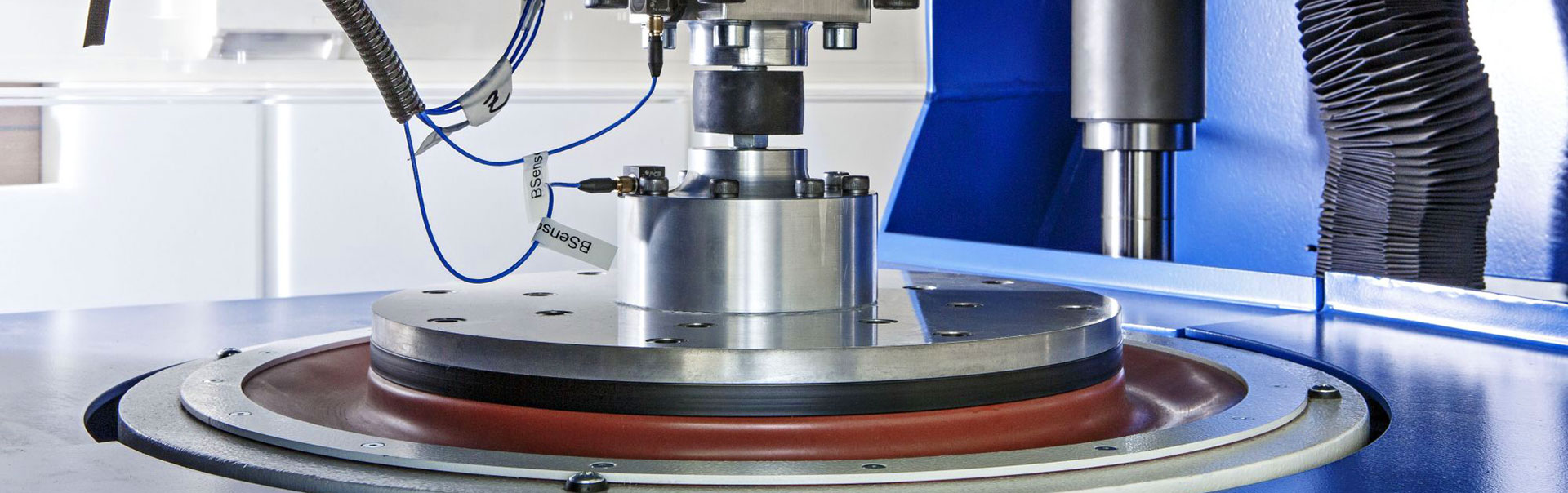
Methyl ethyl ketone analysis, also known as MEK analysis , is a test method used to verify the corrosion resistance of metal coatings. This method involves applying a solution of methyl ethyl ketone (MEK), an aggressive solvent, to the coating. This allows for the evaluation of the coating's corrosion resistance and adhesion to the metallic substrate.
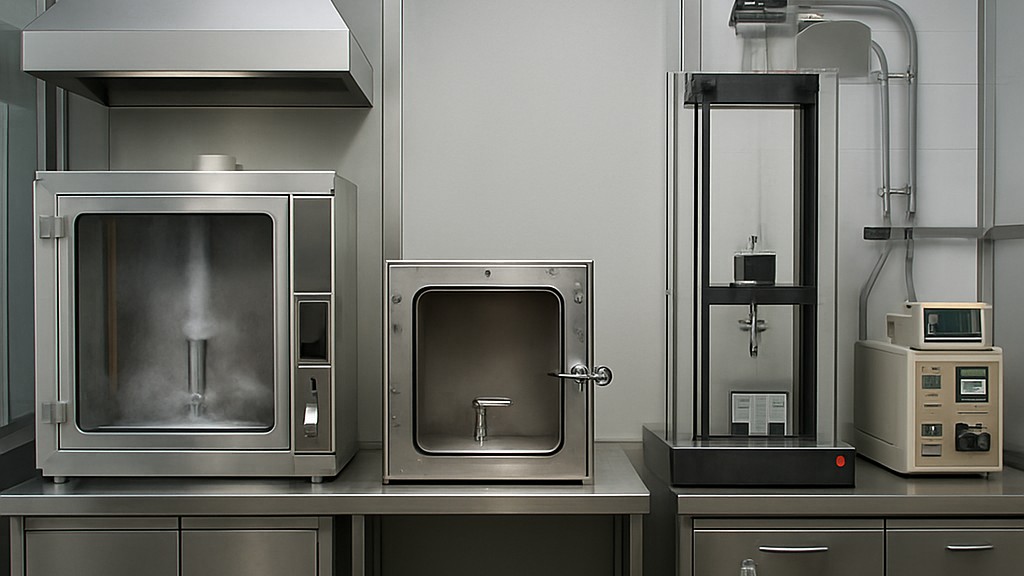
Methyl ethyl ketone is used as a solvent in varnishes, adhesives, electroplating cleaning materials, degreasers, rubber and rubber cement, printing inks and paints, wood stains and varnishes, paint removers, cleaning solutions, as a catalyst and as a carrier.
Workers in industries that use or produce methyl ethyl ketone are at risk of exposure. Consumers can be exposed to methyl ethyl ketone through exposure to air from manufacturing and processing facilities that use methyl ethyl ketone or through drinking water from contaminated wells. Consumers can also be exposed to methyl ethyl ketone through skin contact or by using consumer products containing methyl ethyl ketone, especially if ventilation is poor. Smoking tobacco products and sniffing glue are also routes of exposure.
Breathing methyl ethyl ketone for short periods can affect the nervous system. Effects may include headache, dizziness, fatigue, narcosis, nausea, vomiting, and may cause fainting. Methyl ethyl ketone vapors irritate the eyes, nose, and throat. Prolonged skin contact causes irritation. Contact with eyes can cause permanent damage. Repeated exposure can damage the nervous system and affect the brain.
According to the workplace exposure standard for methyl ethyl ketone, which is among the airborne contaminants:
These standards are suitable for use in workplaces only and are not limited to any particular sector or operation.
Methyl ethyl ketone is present as a gas when released into the atmosphere. It dissolves in water. It reacts rapidly with other chemicals in the air and is degraded by bacteria in water and soil. It has mild acute (short-term) toxicity to aquatic life. It has mild chronic (long-term) toxicity to aquatic life. Chronic and acute effects have not been determined in plants, birds, or terrestrial animals. Methyl ethyl ketone is not expected to bioaccumulate.
Industrial emissions of methyl ethyl ketone can produce high, yet still low, concentrations in the atmosphere around the source. Due to its short lifetime in the atmosphere, methyl ethyl ketone is expected to be confined to the local area where it is released. Because it does not bind well to soil, methyl ethyl ketone that enters the soil can migrate underground and leach into groundwater. Because methyl ethyl ketone is used in many consumer products, including tobacco smoke, short-term indoor concentrations can exceed levels considered safe for workers.
Methyl ethyl ketone is released into the air during production, use, and transportation. In air, sunlight breaks it down into other chemicals within a day or less. It dissolves when mixed with water. In water, it breaks down into other chemicals within about two weeks. Bacteria in soil and water break it down. It does not accumulate at the bottom of rivers or lakes.
The primary sources of methyl ethyl ketone emissions are industries that produce or use it in production, such as the chemical industry, rubber manufacturers, pharmaceuticals, semiconductor manufacturing, heavy equipment manufacturing, milling, veneer and plywood manufacturers, and paint, ink, varnish, and lacquer manufacturers. These are emissions into the air unless there is a leak.
Other possible emitters of methyl ethyl ketone include commercial and household painting and paint, varnish and lacquer removal, tobacco smoke, and consumer products containing methyl ethyl ketone. These are emissions into the air unless there is a leak.
Consumer products that emit methyl ethyl ketone include: aerosol paints, architectural coatings, automobile and machinery paints and primers, household hard surface cleaners, house paints and colorants, inks, garden and yard insecticides, laundry starches, lubricating greases and oils, automotive chemicals, pencils, nail polish and polish remover, paints, varnishes and paint and varnish removers and thinners, shoe polish, indoor clear coats, base coats and primers, waterproof compounds, particle board and wood office furniture.
Analysis of methyl ethyl ketone (MEK), a volatile, flammable solvent used in coatings, adhesives, and chemical manufacturing, focuses on environmental monitoring, workplace exposure, product quality control, or chemical research. The primary analytical methods used to detect and quantify methyl ethyl ketone are:
The gas chromatography method is widely used for:
Our organization, which has been supporting businesses across all sectors for years through a wide range of testing, measurement, analysis, and evaluation activities, has a strong team of employees who closely follow global developments in science and technology and are constantly improving themselves. In this context, we also provide methyl ethyl ketone analysis services to businesses.
To get an appointment, to get more detailed information or to request an evaluation, you can ask us to fill in our form and reach you.