

Enterococci are bacteria that live in the intestinal tract of warm-blooded animals, including humans, and therefore indicate possible contamination of streams and rivers with fecal waste.
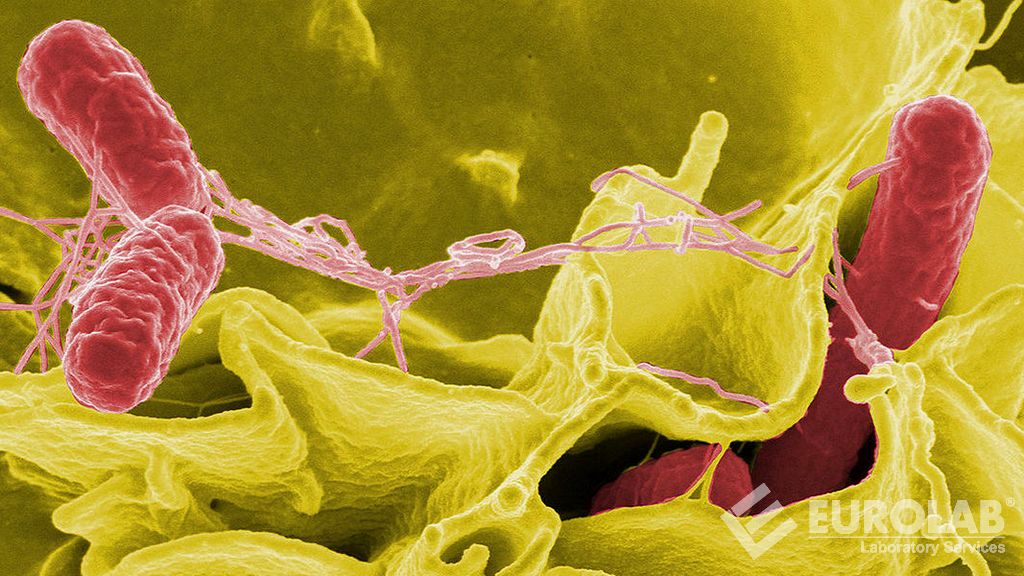
Enterococcal bacterial infections are spread from person to person through poor hygiene. Because these bacteria are found in stool, people can spread the infection if they don't wash their hands after using the bathroom. Bacteria often infect food or surfaces such as doorknobs, phones, and computer keyboards.
There are at least 58 different species of enterococci bacteria. Enterococcus faecalis is one of the most common species. Two strains of enterococcal bacteria tend to infect humans: enterococcus faecalis and enterococcus faecium. These bacteria also live in the mouth and vagina. They are very hardy, so they can survive in hot, salty or acidic environments.
Enterococcus faecalis normally lives harmlessly in the intestines. However, it can cause a more serious infection if it spreads to other parts of the body. These bacteria usually do not cause problems in healthy people. But people with underlying health problems or a weak immune system are more likely to get sick. These infections are often spread in hospitals.
In recent years, there has been an increase in drug-resistant enterococcu faecalis strains. Enterococcus faecalis infections are treated with the use of antibiotics. However, these bacteria have become resistant to many antibiotics. Some antibiotics no longer work against these bacteria.
Enterococci are gram-positive cocci that usually occur in pairs or short chains and are difficult to distinguish from streptococci in terms of individual physical properties.
In general, enterococcus faecium is a common and ubiquitous common microorganism in the intestines of animals and humans. Enterococcus faecium has long been recognized for its probiotic benefits and is widely used around the world. One of the biggest benefits of Enterococcus faecium is that it is uniquely suited to survive the digestive process and thrive in the gut. It competes for resources that harmful organisms will consume and use to grow and promotes a balanced intestinal environment. It also competes with harmful organisms.
Our organization also provides counting services of fecal enterococci, with its trained and expert staff and advanced technological equipment, among the numerous test, measurement, analysis and evaluation studies it provides for businesses in various sectors.
To get an appointment, to get more detailed information or to request an evaluation, you can ask us to fill in our form and reach you.