

With the development of reliable chemical/in vitro tests, manufacturers and product developers can now determine whether a substance is a skin sensitizing agent without the need for animal testing. Each of the current assays specifies some element of the adverse outcome pathway associated with a skin sensitization response in humans. Using an integrated testing strategy that incorporates these approaches to identify the risk of skin sensitization, as outlined by the globally harmonized system of chemical classification and labelling, ensures regulatory compliance as well as consumer safety and satisfaction.
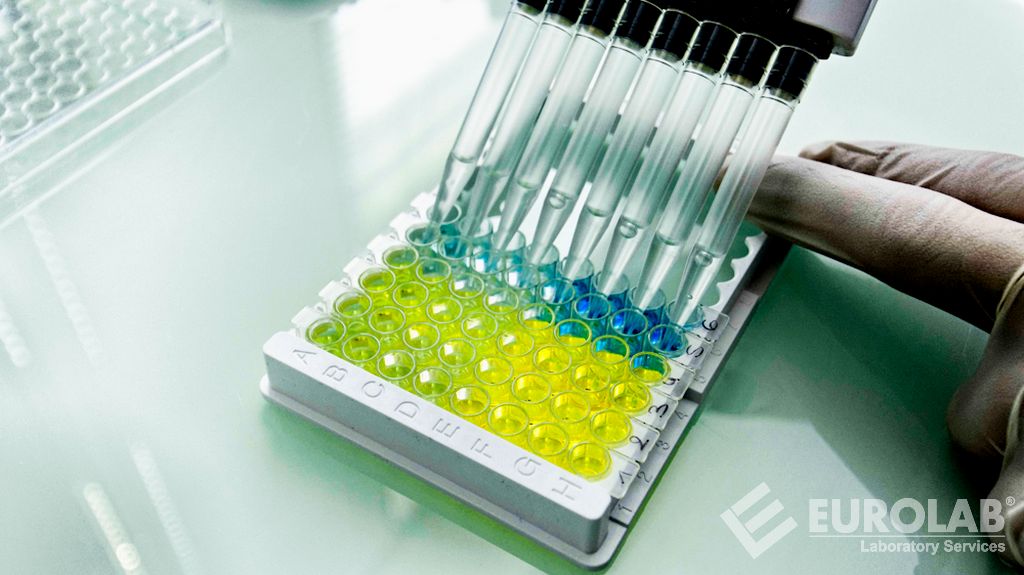
OECD procedure 442D includes two different test methods to address keratinocyte activation. The assay methods use luminescence detection to measure gene expression of antioxidant/electrophile response element (ARE)-dependent pathways. The methods in this test guide are:
The ARE-Nrf2 luciferase test method is an in vitro test method that models the second important event in the skin sensitization adverse outcome pathway. When the skin is repeatedly exposed to a skin sensitizer, a sensitizing agent causes skin cells (ie keratinocytes) to activate a protective gene pathway linked to skin sensitization. The stronger the keratinocyte response, the greater the sensitization potential of the substance.
The ARE-Nrf2 test classifies materials as positive for skin sensitization capacity if they induce a statistically significant luminescent signal that exceeds a defined threshold. This test method is suitable for testing multi-ingredients and mixtures and is more likely to predict low to medium skin sensitization potential compared to high skin sensitization potential. This test should be used in conjunction with additional testing to confidently determine the safety and skin sensitization potential of a substance.
Briefly, OECD procedure 442D addresses endpoint skin sensitization detrimental to human health following exposure to a test chemical.
Our organization also provides in vitro ARE-Nrf2 luciferase test method (OECD 442D) services with its trained and expert staff and advanced technological equipment, among the numerous test, measurement, analysis and evaluation studies it provides for businesses in various sectors.
To get an appointment, to get more detailed information or to request an evaluation, you can ask us to fill in our form and reach you.

