EN 12796 Road Transport and Traffic Telematics Systems - Mass Transport - Validators
The European standard “EN 12796 Road transport and traffic telematics systems - Public transport - Validators” covers validation devices installed in public transport vehicles (buses, trams, light rail systems), excluding ticket vending machines. This standard specifies the location, dimensions, display and keypad specifications, functions, and data processing capacity of this equipment.
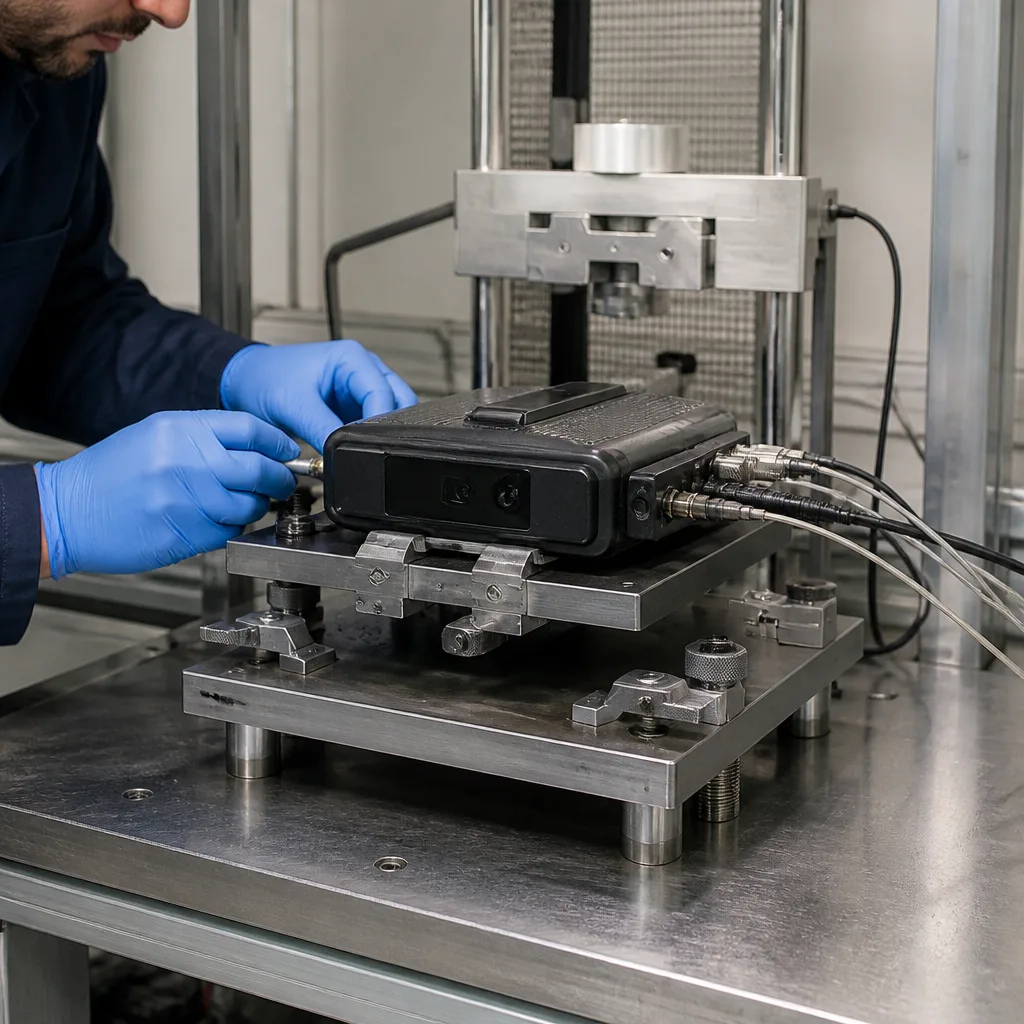
This standard applies to:
- In-vehicle ticket verification devices
- Smart card or ticket verification devices
- Verification equipment used by the passenger
The following are not covered by this standard:
- Fully equipped ticket vending machines
- Independent ticket sales terminals
The EN 12796 standard specifies the following:
- Placement of verification device inside the vehicle
- Physical dimensions
- Screen and keypad features
- Functional behavior
- Data processing requirements
The main technical areas covered are as follows:
- Ergonomics and positioning: This standard defines where verification devices should be mounted to ensure the following:
- Easy passenger access
- Visibility
- Safe boarding flow
- Accessibility in crowded vehicles
- Human-machine interface: Requirements include:
- Screen readability
- Keypad layout
- Visual indicators
- User feedback after verification
- Functionally, verification devices should support the following:
- Ticket verification
- Transaction log
- Error management
- Communication through transportation systems
- Data processing procedures: This standard addresses the following topics:
- Processing
- Data integrity
- Communication with back-end systems
- Operational record keeping
The ENV 12796 standard was crucial during the development of early intelligent transport systems and automated fare collection systems in Europe. This standard helped standardize passenger interaction with validators across different public transport networks.
According to this standard, the verifier should include the following:
- Ticket reading or cancellation function
- Indicator of incorrect ticket presentation, if any.
- Checking the validity and right to use of tickets.
- Ticket acceptance or rejection indicator
- Processing (i.e., data recording)
- Indicator of faulty operation of the verifier.
- The ability to record transactions and to read or back up the recorded data.
- Parameter update function
- Diagnostic functions
- Memory security (battery backup, persistent memory)
- Securely protecting data integrity.
The EN 12796 standard was later superseded. This standard was part of a broader evolution of European public transport telematics standards, along with subsequent frameworks. The EN 12896 standard extended interoperability and digital transport architecture beyond simple validator devices.
There is no single direct replacement standard for EN 12796. Nevertheless, its functionality and subject matter are effectively integrated into, in particular, the following European public transport and intelligent transport systems standards:
- EN 12896 Public transport - Reference data model
- EN 15320 Identity card systems - Surface transportation applications - Interoperable public transportation applications - Framework
- EN 15531 Public transport - Service interface for real-time information on public transport operations.
- ISO/IEC 14443 Cards and security devices for personal identification - Contactless proximity objects
Ultimately, the EN 12796 standard, when first designed, was an early preliminary standard created in the following areas:
- Smart card ticketing
- In-vehicle fare verification
- Transportation telematics
Later, European standardization moved away from simply defining the ergonomics of verification equipment and focused on the following:
- Interoperable transportation data models
- Real-time communication
- Account-based ticketing
- Contactless card standards
- Intelligent transportation systems architectures across the system.
Therefore, instead of replacing the EN 12796 standard with another validating standard, the industry has turned to the following:
- General architectural standards for intelligent transportation systems.
- Contactless payment standards
- Transportation interoperability frameworks
Taking all these developments into account, the EN 12796 standard has been practically replaced by the EN 12896 standard. This new standard has become the basic European framework for:
- Wage management
- Passenger information
- Operational systems
- Transportation interoperability
Unlike the EN 12796 standard, this new standard does not specify the dimensions or layout of the validator keypad. Instead, it defines how transportation systems exchange and configure information.
Actually, the EN 12796 standard focused on the following:
- Physical verification devices
- Passenger interaction
- In-vehicle ergonomics
- Screen/keypad behavior
Modern standards focus more on the following:
- Connections between computers or computer programs
- Back-end interoperability (the ability of different IT systems, servers, or microservices to securely communicate with each other, exchange data, and share functionality)
- Near field communication / contactless communication
- Cyber security
- Account-based ticketing systems
Therefore, this change is more of an architectural evolution than a direct standard change.
Consequently, the EN 12796 standard is still considered in the following situations:
- Outdated procurement specifications: Former transport organizations still use this standard, generally validating layout, physical ergonomics, and passenger interface rules, in previous contracts or inherited technical documentation.
- Compatibility with legacy systems: For integration with toll systems from the 1990s or 2000s, older in-vehicle computers, or older validators.
- Legal or contractual references: Some contracts continue to reference standards that have been repealed until they are formally updated.
In these cases, even if technically obsolete, compliance may still be contractually required.
For many years, our organization, with its competent and experienced staff, has been understanding the needs of its clients, providing the advanced testing services they require, and assisting them in the establishment, implementation, and improvement of management systems. Within this framework, we also provide testing services in accordance with the EN 12796 standard.



