

The “DIN 18032 Sports halls – Halls and rooms for sports and multi-purpose use” standard, developed by the German Institute for Standardization (DIN), consists of the following subsections published under the same title:
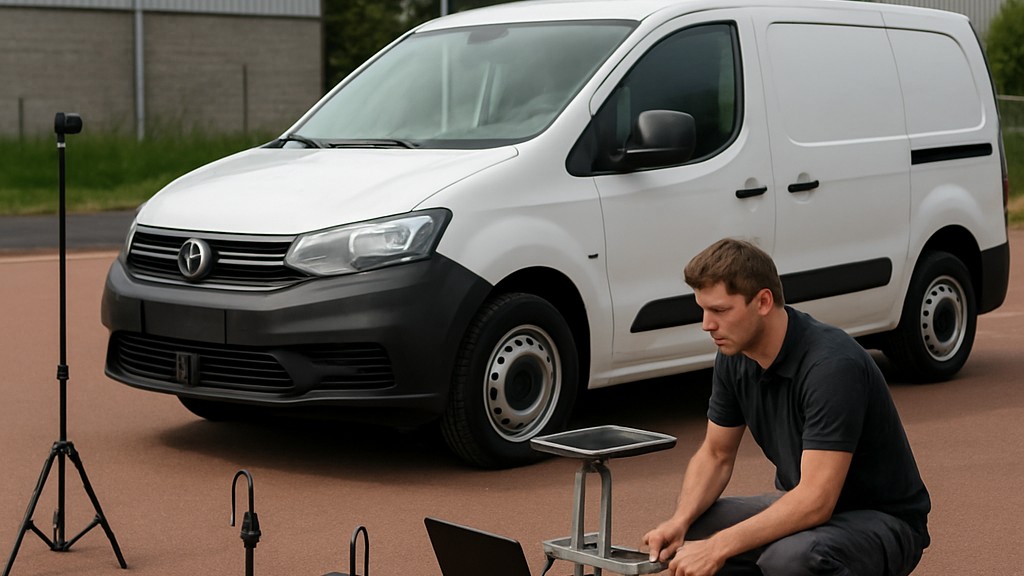
Essentially, this standard may vary slightly across countries. This standard provides general guidance for the planning, sizing, and layout of sports facilities. It aims to meet the technical, functional, and safety requirements of these facilities for a wide range of indoor sports and activities. It can include both single-use and multi-purpose facilities (e.g., school sports, community use, competitions).
The main applications covered by this standard are:
Architects and engineers use this standard to design compliant sports facilities. Municipalities and educational institutions rely on it to guide the construction or renovation of sports venues and sports centers. This standard helps standardize design for compliance with sports regulations and athlete safety.
Key features of this standard include:
In short, the aim of this standard is to create safe, high-performance sports flooring suitable for a variety of indoor sports that meets functional and safety criteria.
The application areas of this standard are: gymnastics fields, multi-purpose sports halls, schools and professional sports facilities.
Overall, the DIN 18032 standard is an important guideline for the design and construction of sports facilities. It outlines the fundamental requirements for sports venues and focuses specifically on the performance, safety, and usability of sports surfaces. This standard ensures that indoor sports environments are safe, functional, and durable, accommodating a wide range of activities and athletes.
DIN 18032 covers various aspects of sports hall construction, but the second part (DIN 18032-2) is the most widely referenced standard because it specifically addresses the technical and functional requirements for sports surfaces. This standard is widely used in the construction and renovation of sports halls, multi-purpose sports halls, and indoor arenas serving both amateur and professional sports levels.
The DIN 18032-2 standard applies to a variety of floor systems, including:
The DIN 18032-2 standard is often used in:
Compliance with standards is often mandatory for public procurement and is highly recommended for private sector projects seeking quality assurance and risk reduction.
Our organization, which has been supporting businesses across all sectors for years through a wide range of testing, measurement, analysis, and evaluation activities, has a strong team of employees who closely follow global developments in science and technology and are constantly improving themselves. In this context, we also provide testing services to businesses in accordance with the "DIN 18032 Sports halls - Halls and rooms for sports and multi-purpose use" standard.
To get an appointment, to get more detailed information or to request an evaluation, you can ask us to fill in our form and reach you.

