

Conformal coatings are used in conjunction with printed circuit assemblies (PCA). Designers and users of conformal coatings for electronics applications must be aware of the properties of various types of conformal coatings and their interactions with printed circuit assemblies to protect them in the end-use environment during or beyond their design life.
The IPC-CC-830 standard is designed to help designers and users of conformal coatings understand the properties of various coating types and the factors that can change these properties when coatings are applied. Understanding and accounting for these materials can ensure the reliability and function of electronics.
The purpose of the standard “IPC-CC-830: Characterization and performance of electrical insulating compound for printed wiring assemblies” developed by the Institute of Printed Circuits (IPC) is to assist those making conformal coating selections or working in coating operations. However, it is not enough to understand the properties of various conformal coatings. The user must understand what will be achieved by applying the conformal coating and how to verify that the desired results have been achieved.
For the purposes of this standard, a conformal coating is defined as a thin, transparent, polymeric coating applied to the surfaces of printed circuit assemblies to provide protection from the end-use environment. Typical coating thickness ranges from 12,5 µm to 200 µm.
Processing properties and curing mechanisms depend on the coating chemistries used. The desired performance characteristics of a conformal coating are application dependent and should be considered when selecting coating materials and coating processes. Users are advised to consult suppliers for detailed technical data.
This standard enables a user to select a conformal coating based on industry experience and relevant considerations. It is the user's responsibility to determine through appropriate testing the suitability of the selected coating and application method for a particular end-use application.
A conformal coating can have a variety of functions depending on the type of application. The most common are:
This standard recognizes that electrical and electronic assemblies are subject to classification according to the intended end-product use. Three general end-product classes have been established to reflect differences in manufacturability, complexity, functional performance requirements, and frequency of verification (inspection and testing). It should be recognized that there may be equipment overlap between classes.
The user is responsible for defining the product class. The product class must be specified in the procurement documentation package.
In this standard, the classification is made as follows:
To protect against the harsh treatment of operating environments, printed circuit boards are often coated with a conformal coating. This coating is a thin, non-conductive dielectric film that can be brushed on, sprayed on, or applied by automated processes such as spraying or dipping. It is designed to protect the components, solder joints, and other exposed metal areas of a circuit board. It even helps strengthen the board against thermal and mechanical stress and rough handling.
The IPC-CC-830 standard is the main standard for conformal coating. This standard is used to qualify different conformal coating products and includes sections on materials, shelf life, curing, chemical, viscosity and appearance requirements. It also includes standards for fungus, moisture and flammability resistance, as well as dielectric strength voltage and other electrical properties. This standard is an active specification and is updated with new information as needed.
In short, IPC-CC-830 defines requirements for electrical insulating compounds, commonly known as conformal coatings, used to protect printed circuit boards and electronic assemblies from environmental factors such as moisture, dust, chemicals, and temperature extremes. This standard outlines test methods and performance criteria for these insulating compounds to meet industry requirements. Changes between revisions generally do not affect all coating types, so coatings generally do not need to be retested against the latest standard.
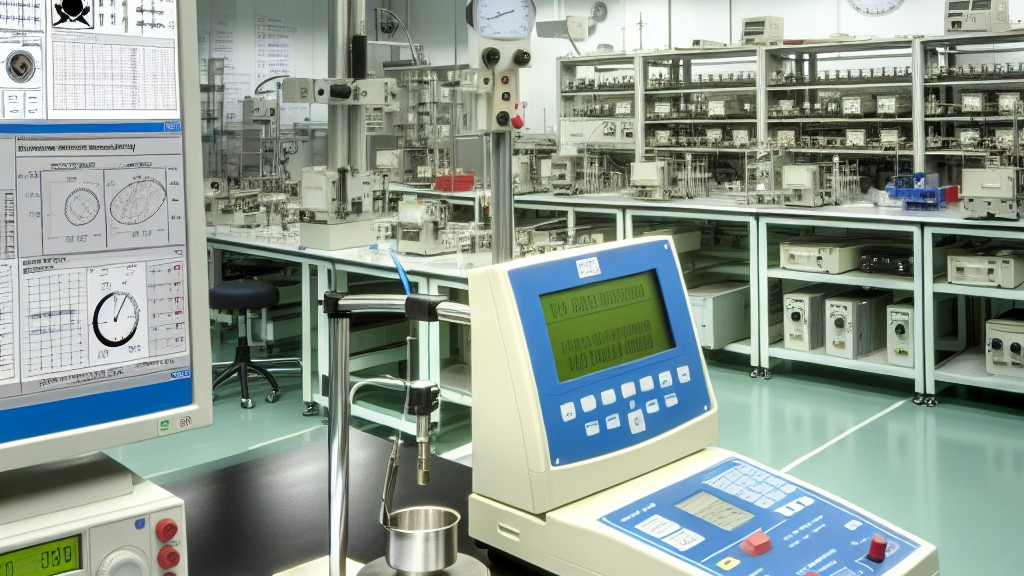
Our organization, which has been trying to support businesses from every sector with its testing, measurement, analysis and evaluation studies carried out in a wide range for years, has a strong staff that closely follows the developments in the world in the field of science and technology and constantly improves itself. In this context, testing services in accordance with the "IPC-CC-830 Quality and performance of electrical insulation compound for printed wiring assemblies" standard are also provided to businesses.
To get an appointment, to get more detailed information or to request an evaluation, you can ask us to fill in our form and reach you.

