

The standard "IPC J-STD-003D Solderability Tests for Printed Boards," published by the Institute of Printed Circuits (IPC), describes test methods, provides defect definitions, and provides illustrations for evaluating the solderability of printed circuit board surface conductors, connection slots, and plated through holes. This standard is intended for use by both the user and the supplier.
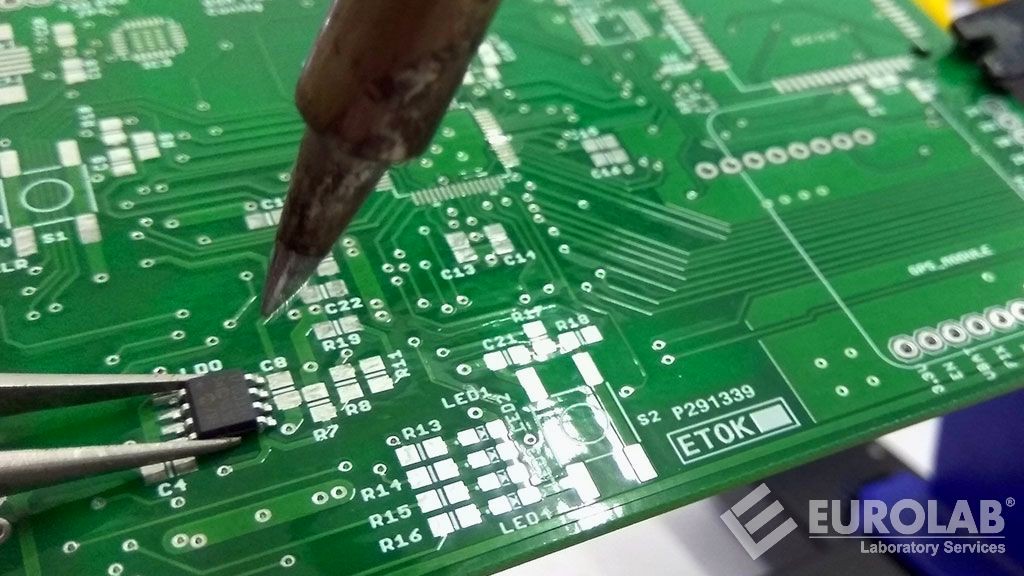
This standard is not designed to verify successful machining potential in assembly or to evaluate the effect of design on wettability. This standard provides procedures or methods for determining the acceptable wettability of a surface coating. Wettability can be affected by use, coating application, and environmental conditions.
The IPC J-STD-003D standard is a critical guideline for evaluating the solderability of printed circuit boards (PCBs). This standard includes test methods, defect definitions, and diagrams for assessing the wettability of surface conductors, junction boxes, and plated through-holes using tin-lead or lead-free solders. It is designed for use by both PCB manufacturers and end-users to ensure reliable soldering processes in electronic assembly.
The primary purpose of IPC J-STD-003D is to verify that printed circuit board manufacturing processes and subsequent storage do not adversely affect the solderability of board components intended for soldering. Solderability refers to the ability of a surface to be wetted with molten solder, which is necessary to create reliable electrical and mechanical connections. This standard is not intended to evaluate the success of the assembly process or the impact of printed circuit board design on wettability; instead, it focuses on standard test procedures to ensure consistent quality.
The key elements of this standard are:
This standard is valid for both tin-lead and lead-free soldering processes and meets the needs of modern electronics manufacturing.
Key features of the IPC J-STD-003D standard include:
These methods ensure that surfaces are adequately prepared for soldering while considering factors such as usage, finish application, and environmental conditions that may affect wettability.
These definitions help manufacturers and inspectors ensure consistent quality control.
IPC J-STD-003D is essential for ensuring the quality of printed circuit boards before they are used in electronic assemblies. By verifying solderability, this standard helps prevent defects that can lead to unreliable solder joints, which are critical to the performance and longevity of electronic devices. It is particularly important for:
This standard complements other IPC standards such as:
The IPC J-STD-003D standard does not address the suitability of printed circuit boards for specific assembly processes or the impact of design on solderability. It focuses solely on testing the wettability of surfaces under controlled conditions. Users should consider additional standards such as IPC J-STD-001 for comprehensive assembly guidance.
As a result, the IPC J-STD-003D standard is a fundamental standard for ensuring solderability of printed circuit boards, providing robust test methods and clear fault definitions. Its worldwide adoption and regular updates make it a vital tool for maintaining quality in electronics manufacturing. By adhering to this standard, manufacturers and users can ensure reliable solder joints and contribute to the performance and durability of electronic products.
Our organization, which has been serving for many years and meticulously following global developments in science and technology, conducts testing, measurement, and analysis in a wide range of areas for businesses across all sectors with a skilled team and extensive infrastructure. In this context, we also provide testing services in accordance with the "IPC J-STD-003D Solderability Tests for Printed Cards" standard.
To get an appointment, to get more detailed information or to request an evaluation, you can ask us to fill in our form and reach you.

