EN IEC 61386 Trunking Systems for Cable Management
The standard "EN IEC 61386 Trunking systems for cable management", which is based on a European standard and subsequently published by the International Electrotechnical Commission (IEC), consists of the following subsections published under the same title:
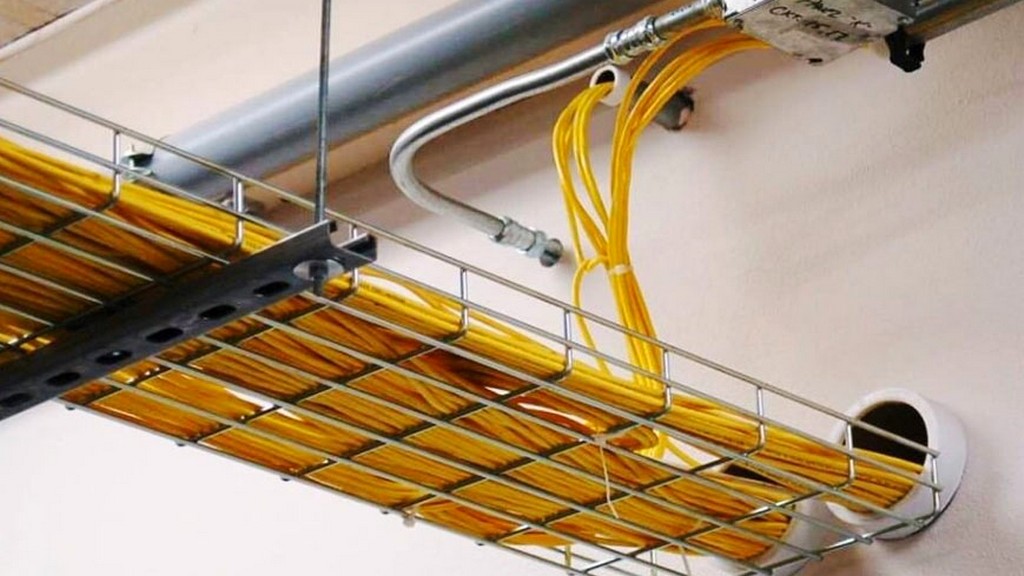
- EN IEC 61386-1 Part 1: General requirements" specifies the requirements and test methods for conduit systems, including conduit and conduit fittings, for the protection and management of insulated conductors or cables in electrical installations or communication systems up to 1000 Volts AC or 1500 Volts Dg. This standard applies to metallic, non-metallic, and composite conduit systems, including threaded and non-threaded entries that terminate the system. This standard does not apply to enclosures and junction boxes covered by IEC 60670. Some conduit systems may also be suitable for use in hazardous environments. In this case, the additional requirements necessary for equipment to be installed in such environments must be taken into account. Earthing conductors may or may not be insulated.
Pipe and pipe fittings must be designed and manufactured to ensure reliable performance and protection for the user and the environment in normal use. When installed as part of a piping system in accordance with the manufacturer's instructions, pipes and pipe fittings must provide mechanical and, where necessary, electrical protection for the insulated conductors and cables contained within them. The protective properties of the joint between the pipe and pipe fitting must not be less than those declared for the piping system. Pipe and pipe fittings must be resistant to stresses that may occur during transportation, storage, recommended installation practices, and application. Compliance is verified by performing all specified tests.
This fundamental section specifies general test methods and performance criteria for all piping systems and covers:
- Classification system
- Size requirements
- Mechanical properties (e.g. impact resistance, compressive strength)
- Thermal performance
- Electrical continuity
- Resistance to corrosion, solvents and UV rays
The standard "EN IEC 61386-21 Part 21: Particular requirements - Rigid conduit systems" describes the requirements for rigid conduit systems. This standard should be used in conjunction with IEC 61386-1. In the latest update of this standard, a clause was added requiring the manufacturer to declare whether the conduit is flexible. An annex was also added to provide guidance on the application of a progressively increasing force (Annex AA). This type of conduit is a hot-dip galvanized conduit, both externally and internally, used to protect and route electrical cables within a building or structure. IEC 61386-21 requires the terminals to be installed to a degree resistant to water infiltration. This is particularly important when the conduit is located in damp or outdoor environments with a risk of rain.
- The standard "EN IEC 61386-22 Part 22: Particular requirements - Flexible conduit systems" specifies the requirements for flexible conduit systems, including self-relieving conduit systems. This standard covers the regulations governing flexible conduits in general. It also serves as an important reference point for ensuring the safety, durability, and longevity of electrical equipment. To this end, it includes test procedures for evaluating the following properties of flexible conduit systems: mechanical strength, level of protection, fire resistance, temperature resistance, and chemical resistance. This standard is applicable to flexible conduit systems used in electrical panels and installations, construction and building systems, industrial facilities, and marine and outdoor applications.
- The standard “EN IEC 61386-23 Part 23: Specific requirements - Flexible piping systems” describes the requirements for flexible piping systems.
- EN IEC 61386-24 Part 24: Particular requirements - Buried trunking systems" specifies requirements and test methods for buried trunking systems, including trunking and fittings used for the protection and management of insulated conductors or cables in electrical installations or communication systems. This standard applies to metallic, non-metallic, and composite systems, including threaded and non-threaded entries that terminate the system.
- The standard "EN IEC 61386-25 Part 25: Specific requirements - Pipe fixing devices" describes the requirements and test methods for pipe fixing devices used to support or hold pipes for cable management. This standard should be taken in conjunction with IEC 61386-1.
Electrical installations require reliable, safe, and standardized systems for managing and protecting cables. One of the globally accepted standards in this field is EN IEC 61386. These standards outline the requirements for conduit systems used in electrical installations, ensuring their reliable operation under a variety of mechanical, environmental, and electrical conditions.
This set of standards is a multi-part standard that defines specifications for conduit systems, which are mechanical protection and routing systems for electrical cables and conductors. It applies to both metallic and non-metallic conduits, as well as flexible and rigid systems. These standards are critical to:
- Electrical safety
- Mechanical protection
- Fire resistance
- Ease of installation
- Environmental durability
The IEC 61386 standards use a classification code to describe the essential performance characteristics of a piping system. This code includes:
- Compressive strength
- Impact resistance
- Minimum and maximum operating temperature
- Resistance to flame spread
- Electrical properties (e.g. conductivity or insulation)
- Ingress protection (IP class)
For example, a code like 33412 indicates a system with medium pressure, high impact resistance, operating temperatures between minus 25 degrees and plus 90 degrees, and flame retardant properties.
Products that comply with IEC 61386 standards undergo various tests:
- Mechanical tests: Bending, crushing and impact resistance
- Thermal tests: Resistance to heat and cold
- Electrical tests: Insulation resistance and continuity
- Chemical tests: Resistance to corrosion and solvents
These tests ensure that piping systems meet the safety and durability requirements appropriate for their intended environment, whether residential, industrial or hazardous locations.
Compliance with IEC 61386 standards is important for the following reasons:
- Manufacturers: Ensure product reliability and market acceptance
- Installers and contractors: Ensure compliance and safety
- Regulators: Provides a basis for building codes and safety inspections
These standards help standardize duct systems globally, facilitate cross-border trade, and ensure interoperability in multi-vendor installations.
Consequently, IEC 61386 standards play a vital role in ensuring the safety and performance of electrical conduit systems. Using conduit systems that comply with this standard ensures durability, safety, and regulatory compliance.
Our organization, which has been supporting businesses across all sectors for years through a wide range of testing, measurement, analysis, and evaluation activities, has a strong team of employees who closely follow global developments in science and technology and are constantly improving themselves. In this context, we also provide testing services to businesses in accordance with the EN IEC 61386 Cable Management Duct Systems standard.



