

The International Electrotechnical Commission (IEC) standard "IEC 61914 Cable clamps for electrical installations" specifies the requirements and test methods for cable clamps used to secure cables in electrical installations and spacers used to hold cables together in electrical installations. Cable clamps provide resistance to electromechanical forces where declared. This standard covers cable clamps that rely on a mounting surface specified by the manufacturer for axial or lateral retention of cables.
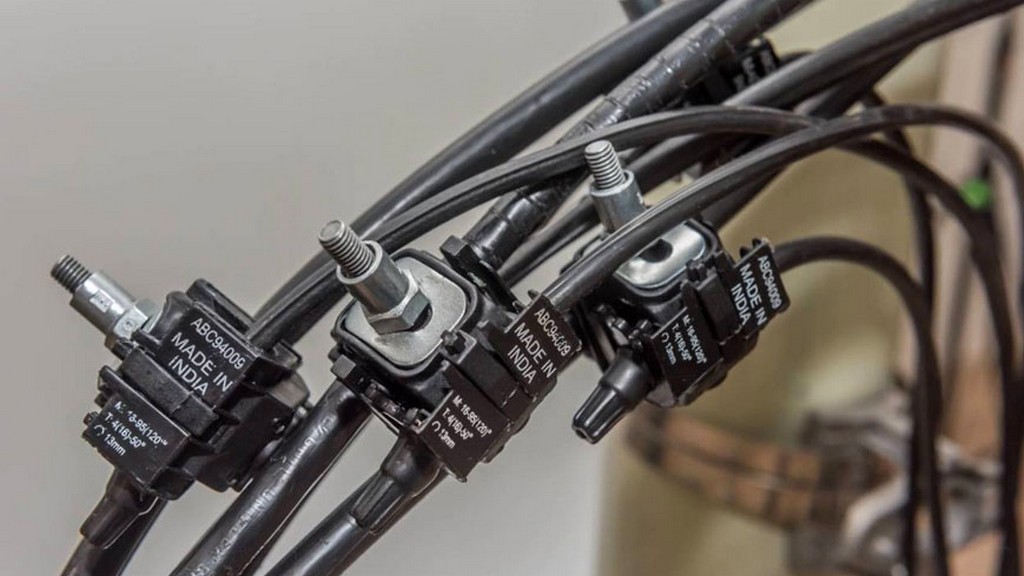
Various types of cable clamps and spacers are included in the standard's annex (Annex A). The requirements for manufacturers in this standard also apply to importers and responsible sellers, where applicable. However, this standard does not apply to cable ties.
Cable clamps are devices designed to secure, hold, and support cables, restrict their movement, and provide resistance to electromechanical forces, particularly under short-circuit conditions. This standard ensures that these components increase the safety, reliability, and longevity of electrical systems.
The IEC 61914 standard applies to cable clamps and spacers used to secure and maintain cables in electrical installations. It covers wedges made of metallic, non-metallic, or composite materials designed to provide axial or lateral retention of cables at a mounting surface specified by the manufacturer. This standard focuses solely on wedges and holders resistant to electromechanical forces, explicitly excluding cable glands and cable ties. It provides a framework for performance, durability, and safety testing, ensuring compliance with global electrical safety standards.
The essential requirements and defined test methods of this standard are:
The IEC 61914 standard is critical for several reasons that affect various stakeholders in the electrical sector:
The latest update of this standard includes some technical revisions. For example,
However, while the IEC 61914 standard is comprehensive enough, it does not specify pass/fail criteria and leaves performance declarations to manufacturers. This flexibility allows for innovation but requires specifiers to carefully compare product data. Furthermore, the standard does not cover cable glands or ties, limiting its scope to clamps and restraints.
The IEC 61914 standard specifies requirements for cable clamps to secure cables and withstand electromechanical forces during short-circuit faults. This prevents cable movement, insulation damage, or electrical hazards such as arcing or fire, which is critical in high-risk environments such as industrial facilities, substations, or offshore facilities. Furthermore, properly tested clamps ensure cables remain secure, reducing wear, maintaining system integrity, and preventing costly outages. This is especially crucial in critical infrastructures such as power grids or renewable energy systems.
As a result, IEC 61914 is a fundamental standard for ensuring the safety, reliability, and compatibility of cable management in electrical installations. By defining rigorous requirements and test methods for cable clamps, it helps manufacturers, engineers, and contractors deliver safe and durable electrical systems. Its global recognition and compatibility with modern technologies make it an essential resource for professionals in a variety of industries, from power distribution to renewable energy.
Our organization, which has been operating for many years and meticulously follows global developments in science and technology, employs a skilled team and extensive infrastructure to conduct testing, measurement, and analysis in a wide range of areas for businesses across all sectors. In this context, we also provide testing services in accordance with the "IEC 61914 Cable Clamps for Electrical Installations" standard.
To get an appointment, to get more detailed information or to request an evaluation, you can ask us to fill in our form and reach you.

