
The “EN IEC 61591 Cooking fume extraction devices - Methods of measuring performance” standard, developed by the International Electrotechnical Commission (IEC) and later published as a European standard as part of harmonization efforts, applies to cooking fume hoods with fans in recirculation or extraction mode found in home kitchens. It can also be used for cooking fume hoods where the fan is mounted separately from the appliance but controlled by the appliance, provided this is defined in the technical documentation and installation instructions.
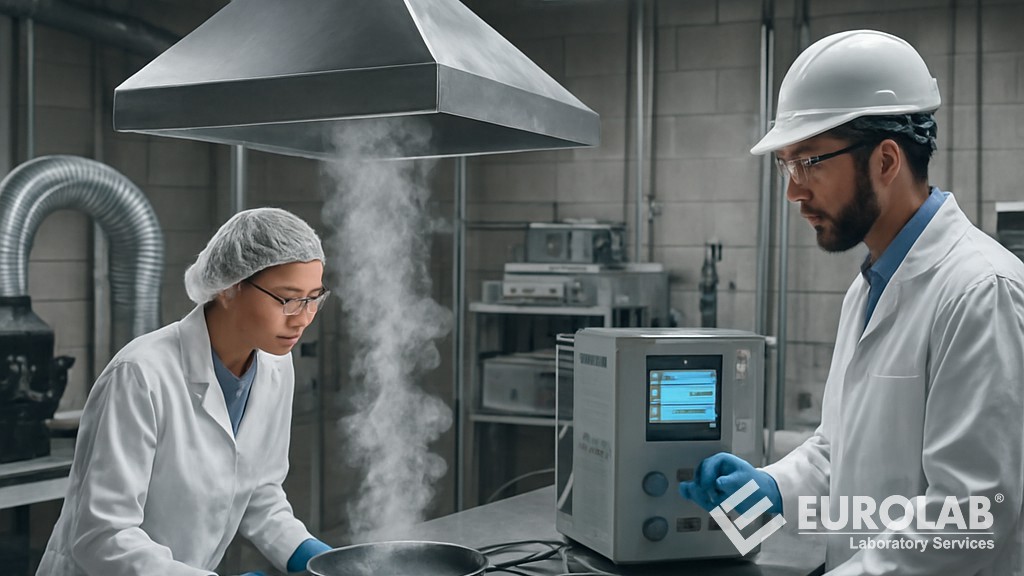
This standard also addresses downward airflow systems arranged on the side, back, or bottom of cooking appliances. It defines the essential performance characteristics of these appliances that are important to the user and specifies methods for measuring these characteristics.
This standard does not specify a classification or ranking for performance. It also does not address safety requirements in accordance with IEC 60335-1 and IEC 60335-2-31 standards. Fanless cooking hoods operating with central ventilation systems are addressed in the EN 13141-3 standard.
The EN IEC 61591 standard provides standardized test methods for evaluating and comparing the performance of household range hoods (cooking fume extractors or kitchen hoods). These appliances remove cooking fumes, odors, grease, and steam from kitchens either by drawing air out (extraction mode) or by passing it through filters (recirculation mode).
This standard is particularly important in the following areas:
EN IEC 61591 applies to cooking hoods containing fans and designed for use in home kitchens. This includes:
This standard does not cover safety aspects (it is within the scope of the IEC/EN 60335 standard series), nor does it cover fanless, purely decorative range hoods.
This standard defines key performance characteristics that are important for users and regulators:
These measurements are made using a standardized test setup that simulates a kitchen environment with defined test loads (e.g., boiling water for steam, heating oil for grease).
Since cooker hoods are subject to the EU ecodesign directive 66/2014 and energy labeling rules, compliance with the EN IEC 61591 standard is mandatory for CE marking and energy labeling (classes A to G). Manufacturers must test and declare according to this standard to show the following values:
In short, the EN IEC 61591 standard is an international standard that specifies methods for measuring the performance of household range hoods and other cooking fume extractors. This standard enables manufacturers to test and declare product performance in a consistent, comparable, and repeatable manner. It focuses on performance measurement rather than installation rules or electrical safety (which are addressed by separate standards).
The EN IEC 61591 standard applies to:
This includes devices intended to be mounted on, next to, or near cooking appliances used in homes.
This standard does not primarily cover the following:
The EN IEC 61591 standard specifies the following:
This allows two manufacturers testing different products to obtain comparable results.
This standard is considered important for manufacturers for the following reasons:
In conclusion, the EN IEC 61591 standard is the reference standard worldwide, particularly in Europe, providing fair, repeatable, and comparable performance testing for kitchen range hoods. It helps consumers choose more efficient, quieter, and better-performing range hoods, while also supporting energy-saving policies. By defining how airflow, noise, grease filtration efficiency, and other key parameters should be measured, this standard ensures transparency and comparability among products sold on the European market.
For many years, our organization, with its competent and experienced staff, has been understanding the needs of its clients, providing the advanced testing services they require, and assisting them in the establishment, implementation, and improvement of management systems. Within this framework, we also provide testing services to businesses in accordance with the "EN IEC 61591 Cooking fume extraction equipment - Performance measurement methods" standard.
To get an appointment, to get more detailed information or to request an evaluation, you can ask us to fill in our form and reach you.

