

The standard “EN IEC 62446-1 Photovoltaic (PV) systems - Testing, documentation and maintenance requirements - Part 1: Grid-connected systems - Documentation, commissioning tests and inspection”, which is based on a European standard and later published by the International Electrotechnical Commission (IEC), describes the information and documents that must be delivered to the customer after the installation of a grid-connected photovoltaic (PV) system. This standard also includes the expected commissioning tests, inspection criteria and documents to verify the safe installation and correct operation of the system. This standard can also be used for periodic retests.
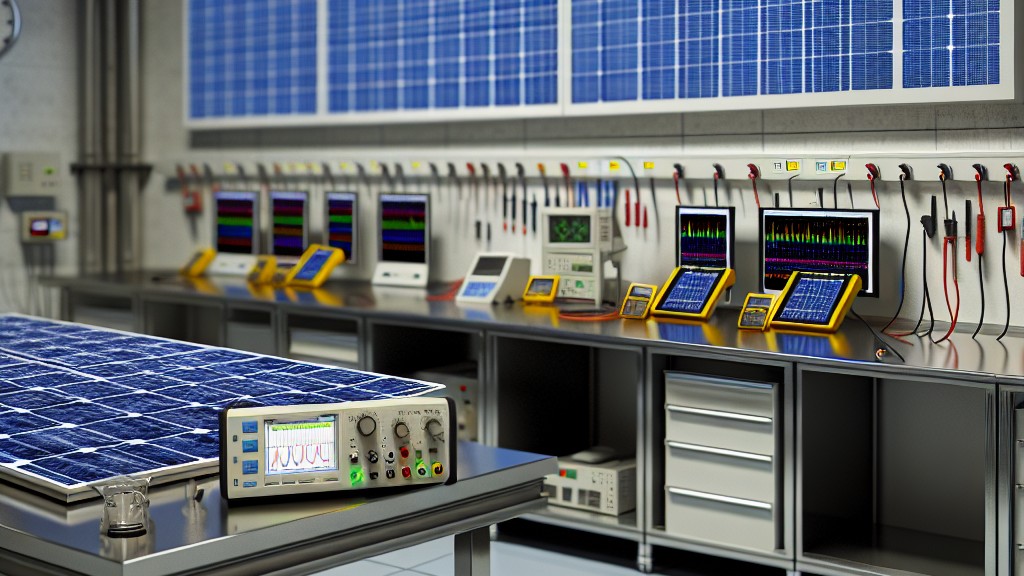
The EN IEC 62446-1 standard is written for grid-connected photovoltaic systems that do not use energy storage (e.g., batteries) or hybrid systems. This standard is designed to be used as a template by system designers and installers of grid-connected solar photovoltaic systems to provide effective documentation to a customer. Within this standard, expected commissioning tests and inspection criteria are described in detail, aiming to assist in the verification, inspection, and subsequent re-inspection, maintenance, or modification of a grid-connected photovoltaic system after installation.
This standard defines the different test procedures expected for different types of solar photovoltaic systems to ensure that the test regime applied is appropriate to the scale, type and complexity of the system in question. This standard does not address concentrator photovoltaic systems, but is applicable to many.
For the purposes of this standard, the following terms and definitions apply:
The minimum documentation that must be provided after the installation of a grid-connected photovoltaic system is listed in this standard. This information ensures that the essential system data is easily accessible to a customer, inspector or maintenance engineer. The documentation includes the essential system data and the information expected to be provided in the operation and maintenance manual.
This standard contains the requirements for the initial and periodic verification of a grid-connected photovoltaic electrical installation. Most of the verification of a grid-connected photovoltaic system is covered in the IEC 60364-6 standard, which provides the requirements for the initial and periodic verification of any electrical installation.
Each installation of subsystems and components shall be verified in accordance with IEC 60364-6, as far as reasonably practicable, during installation and after completion, before being put into service by the user.
Our organization has a strong staff that closely follows the developments in science and technology in the world and constantly improves itself. Among the numerous test, measurement, analysis and evaluation studies provided for businesses in various sectors, there are also test services in accordance with the standard “EN IEC 62446-1 Photovoltaic (PV) systems - Testing, documentation and maintenance requirements - Part 1: Grid-connected systems - Documentation, commissioning tests and auditing”.
To get an appointment, to get more detailed information or to request an evaluation, you can ask us to fill in our form and reach you.

