TS 13891 Metal Constructions - For Use in Terrain Photovoltaic Solar Energy Systems
The standard "TS 13891 Metal constructions - For use in land-based photovoltaic solar energy systems," published by the Turkish Standards Institute (TSE), describes the structural design, production, inspection, test methods, and marketing requirements for metal constructions to be used in land-based photovoltaic solar energy systems. This standard also covers load-bearing systems with solar tracking systems. The solar tracking system to be installed in solar tracking systems must be within the scope of the standard "EN 62817 Photovoltaic systems - Design adequacy of solar trackers." Furthermore, wooden constructions to be used in solar energy systems are not within the scope of this standard.
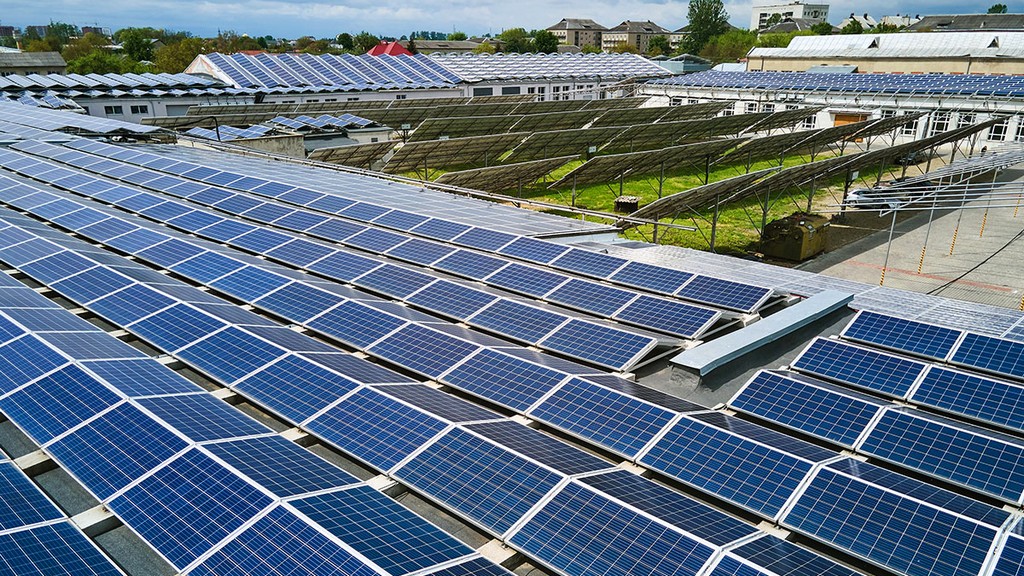
Ground-mounted photovoltaic solar systems rely on metal support structures (solar mounting systems or racking systems) to secure the solar panels in place, ensuring correct orientation, durability and resistance to environmental loads.
The main functions of these systems are:
- Structural support: Holds photovoltaic (PV) modules securely above ground. Provides optimum tilt angle for maximum sunlight exposure.
- Load resistance: Designed to withstand wind, snow and seismic loads according to international standards (e.g. Eurocode, ASCE 7, IEC 61215).
- Corrosion protection: Since the systems operate outdoors for more than 25 years, the metals must be corrosion resistant (e.g. hot-dip galvanized steel, aluminum alloys, stainless steel).
- Electrical safety: Ensures grounding of PV modules.
The materials commonly used in the production of these systems are:
- Galvanized steel (hot-dip zinc coated): Strong, cost-effective, widely used.
- Aluminum alloys: Lightweight, corrosion resistant, and easier to install.
- Stainless steel (Fasteners/critical parts): For durability in high corrosion areas.
Design types of photovoltaic solar energy systems include:
- Fixed-slope systems: Panels are installed at a fixed angle. They are low-cost and require low maintenance.
- Single-axis trackers: Panels rotate east-west to follow the sun. This increases energy efficiency by approximately 15-25 percent.
- Dual-axis trackers: Track the sun in both east-west and north-south directions. Highest efficiency, but more expensive and complex.
Metal constructions for PV installation must comply with various standards besides the TS 13891 standard:
- The standard "IEC 61215 Terrestrial photovoltaic (PV) modules - Design qualification and type approval." This standard is important for PV module qualification (mechanical load testing).
- ISO 12944 Paints and varnishes - Corrosion protection of steel structures by protective paint systems. This standard is important for the corrosion protection of steel structures.
- UL 2703 Mounting systems, mounting devices, clamping/holding devices, and grounding lugs for use with flat-plate photovoltaic modules and panels. This standard is important for mounting systems, grounding, and bonding requirements.
- "ASCE 7 Minimum Design Loads and Related Criteria for Buildings and Other Structures." This standard is important for determining minimum design loads.
- The standard "EN 1991 Eurocode 1: Actions on structures". This standard is important for determining the effects (wind, snow) on structures.
Metal structures for ground-mounted photovoltaic (PV) solar power systems are critical for stability, durability, and efficiency. Typically constructed from materials such as galvanized steel or aluminum, these structures secure the solar panels to the ground and optimize their orientation for maximum sunlight exposure. They are crucial for ensuring structural stability, long-term durability, and optimal energy production while meeting safety and corrosion standards.
Standard ground installations for ground-mounted PV systems use metal frames (usually steel or aluminum) secured to the ground with concrete piers, helical piles, or driven poles. The panels are mounted at a fixed tilt angle optimized for the site's latitude and sunlight exposure. They are suitable for residential, commercial, or utility-scale projects with extensive land, such as solar farms or rural properties. They are cost-effective, easy to install, and robust. They provide precise orientation to maximize energy production. However, they require sufficient land area and may be susceptible to vandalism or debris accumulation in some environments.
Design considerations for ground-mounted PV systems:
- Load analysis: Structures must withstand dead loads (weight of panels and frame) and live loads (wind, snow, seismic forces).
- Slope angle optimization: The slope angle is calculated based on geographic location, seasonality, and energy requirements to maximize sunlight exposure. For example, in tropical regions, a near-horizontal slope may be sufficient, while higher latitudes require steeper angles.
- Foundation type: The choice depends on the soil conditions and the scale of the project:
- Concrete footings: High load capacity, suitable for a variety of soils, but require excavation.
- Helical piles: Ideal for weak or granular soils, offering strong load-bearing capacity with less ground disturbance.
- Driven piers: Cost-effective for large-scale projects, but require specialized equipment such as a pile driver.
- Ballasted systems: No penetration required, ideal for confined spaces, but require stable and level ground.
- Environmental factors: Structures must be able to withstand wind (up to 240 km/h in some designs), snow, hail, and seismic forces. Local building codes and standards ensure compliance.
- Permits and zoning regulations: Ground-mounted systems generally face stricter zoning and permitting requirements than rooftop systems because they are considered freestanding structures.
The materials used in ground-mounted PV systems are:
- Galvanized steel: Widely used due to its strength, durability, and corrosion resistance (thanks to the zinc coating). It is suitable for harsh weather conditions and has a long lifespan (25-30 years).
- Aluminum: Lightweight, corrosion-resistant, and ideal for small or residential installations, although more expensive than steel.
- Stainless steel: Used in components such as brackets, clamps and screws to ensure corrosion resistance and secure fastening of panels.
- Coatings: Hot-dip galvanizing or durable exterior paint increases resistance to UV rays, moisture, and temperature extremes.
As a result, metal constructions for ground-mounted PV systems, often made of galvanized steel or aluminum, offer durability, flexibility, and efficiency for solar energy production. While they offer superior energy output and ease of maintenance compared to rooftop systems, higher costs and space requirements are significant considerations.
Our organization, which has been operating for many years and meticulously follows global developments in science and technology, employs a skilled team and extensive infrastructure to conduct testing, measurement, and analysis in a wide range of areas for businesses across all sectors. In this context, we also provide testing services in accordance with the TS 13891 Metal constructions - For use in land-based photovoltaic solar energy systems.



