

The standard "EN ISO 9806 Solar energy - Solar thermal collectors - Test methods," based on a European standard and subsequently published by the International Organization for Standardization (ISO), describes test methods for assessing the durability, reliability, safety, and thermal performance of liquid-heated solar collectors. These test methods are applicable to laboratory and on-site testing.
This standard applies to all types of liquid-heated solar collectors, air-heated solar collectors, hybrid solar collectors that produce heat and electrical power together, and solar collectors that use external power sources for normal operation and safety purposes. It does not cover electrical safety aspects or other specific features directly related to electrical power generation. This document does not apply to devices in which the thermal storage unit is an integral part of the system to such an extent that the collection process cannot be separated from the storage process for the purpose of making collector thermal performance measurements.
Solar thermal collectors are devices that capture and use energy from the sun to heat a fluid (usually water, air, or a specialized heat transfer fluid). These devices are commonly used in solar water heating systems, space heating, and even solar thermal power plants.
The most common type of solar thermal collector is the flat-plate collector. These devices consist of a dark-colored absorber plate inside a glass, insulated enclosure. They absorb sunlight and transfer the heat to a fluid flowing through the tubes. They are used for residential water heating and space heating.
Vacuum tube collectors are constructed from rows of vacuum-insulated glass tubes. They are more efficient in cold or cloudy climates because the vacuum reduces heat loss. They are typically used in colder regions or in larger systems (e.g., commercial buildings).
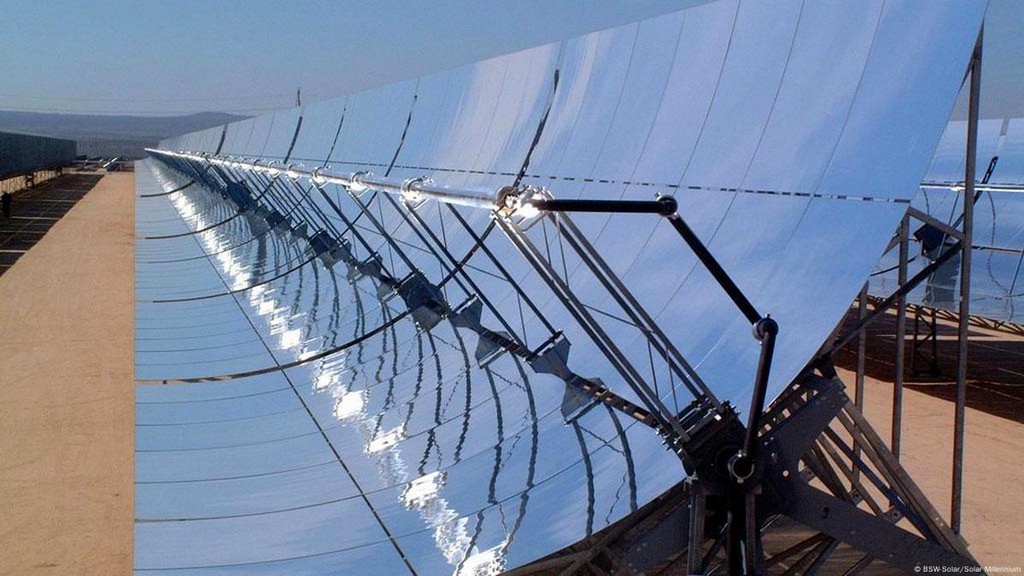
Concentrating collectors, on the other hand, use mirrors or lenses to focus sunlight onto a small area (the receiver). They reach much higher temperatures. They are common in industrial applications and solar-powered thermal power generation.
Key applications of solar thermal collectors include:
These collectors are environmentally friendly and do not produce emissions during operation.
For the purposes of the EN ISO 9806 standard, the following definitions apply in addition to the terms and definitions given in the ISO 9488 standard:
The table titled "Test List" within the standard recommends a complete test sequence for solar thermal collectors, including durability testing and thermal performance measurements. This test sequence can be modified as needed, or only individual tests can be performed. However, for some tests, a specific preconditioning or semi-exposure test is mandatory. For all test sequences and individual tests, a final inspection is recommended as a concluding test to properly identify the test specimen and identify any problems or deficiencies.
The test methods listed in the table are:
Our organization, which has been supporting businesses across all sectors for years through a wide range of testing, measurement, analysis, and evaluation activities, has a strong team of employees who closely follow global developments in science and technology and are constantly improving themselves. In this context, we also provide testing services in accordance with the EN ISO 9806 Solar Energy - Solar Thermal Collectors - Test Methods standard.
To get an appointment, to get more detailed information or to request an evaluation, you can ask us to fill in our form and reach you.

