EN ISO 4210 Bicycles - Safety Requirements for Bicycles
The standard “EN ISO 4210 Bicycles - Safety requirements for bicycles”, which is based on a European standard and later published by the International Organization for Standardization (ISO), consists of the following subsections published under the same title:
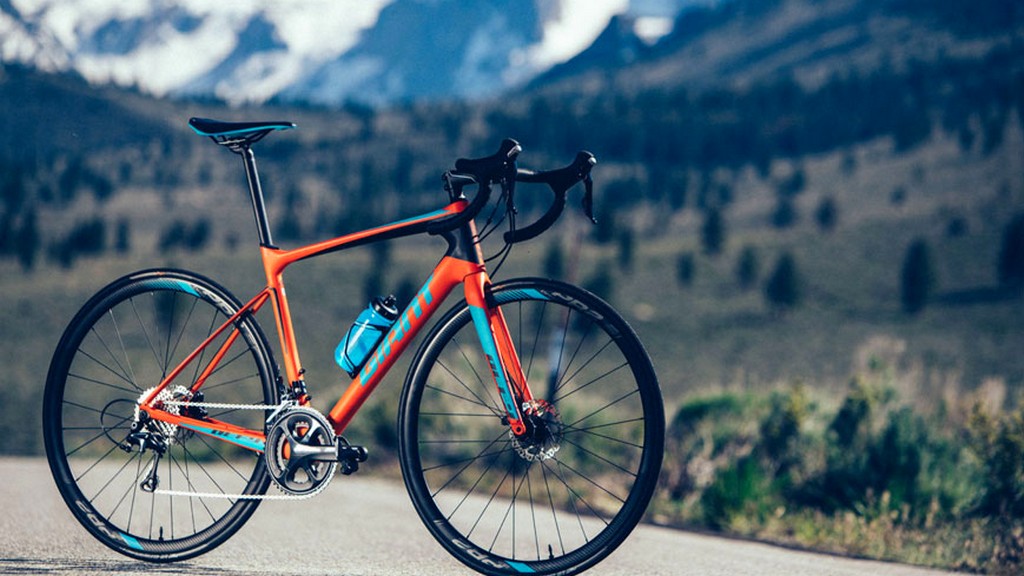
- EN ISO 4210-1 Part 1: Vocabulary defines terms and definitions related to the safety and performance requirements for the design, assembly, and testing of bicycles and subassemblies with a maximum seat height of 635 mm or more. This standard does not apply to specialized types of bicycles, such as delivery bicycles, recumbent bicycles, tandem bicycles, BMX bicycles, and bicycles designed and equipped for use in demanding applications, such as approved competition events, acrobatics, or stunt maneuvers.
National regulations for ride-on toys apply to bicycles with a maximum seat height of 435 mm or less, and ISO 8098 Bicycles - Safety requirements for bicycles for young children applies to bicycles with a maximum seat height of more than 435 mm and less than 635 mm. This standard provides the basic terminology used throughout the ISO 4210 series, which addresses safety requirements for bicycles. This standard is considered important for the following reasons:
- It forms the basis for bicycle safety standards: This standard is a multi-part series covering various aspects, such as frame durability, brake performance, and test methods. This section defines the consistent and precise terms necessary to correctly interpret and apply all other parts.
- Ensures global consistency: This standard standardizes cycling-related terminology to:
- It allows manufacturers in different countries to communicate clearly.
- Includes compatible designs, manufacturing and testing procedures.
- Eliminates ambiguity in technical documentation and compliance reports.
- Legal regulations Supports compliance: Governments and industry organizations often adopt this standard to:
- To ensure consumer safety.
- Enabling product certification.
- Minimizing risks in production and retail
- Enhances product development and innovation: Supports by creating clear definitions:
- R&D teams innovate safely within defined parameters
- Easier comparison and benchmarking across product lines or competitors.
The standard “EN ISO 4210-2 Part 2: Requirements for city and trekking, young adult, mountain and racing bicycles” describes the safety and performance requirements for the design, assembly and testing of bicycles and sub-assemblies and specifies guidelines for the manufacturer's instructions for the use and maintenance of such bicycles.This standard applies to racing bicycles with a maximum seat height of 635 mm or more, including young adult bicycles, city and trekking bicycles, mountain bikes and folding bicycles with a maximum seat height of 635 mm or more and less than 750 mm.
This standard does not apply to specialized types of bicycles such as delivery bicycles, recumbent bicycles, tandem bicycles, BMX bicycles, and bicycles designed and equipped for use in demanding applications such as sanctioned competition events, acrobatics, or stunt maneuvers.
For bicycles with a maximum seat height of 435 mm or less, refer to national regulations regarding ride-on toys, and for bicycles with a maximum seat height of more than 435 mm and less than 635 mm, the ISO 8098 standard applies.
- The standard "EN ISO 4210-3 Part 3: Common test methods" describes the common test methods for the ISO 4210-2 standard. These test methods are:
- Brake tests and strength tests:
- Brake tests with special requirements
- Strength tests where special requirements apply
- Sample numbers and conditions for strength tests
- Maximum allowable error tolerances of the test conditions for brake tests and strength tests
- Front fender testing methods
- Supported front fender testing methods
- Unsupported front fender testing method
- Front fender - Wheel blockage verification test
- Road test test methods on a fully assembled bike
- Durability test of marking
- Fatigue test
- Fatigue testing for composite components
- Impact test
- Plastic material test ambient temperature
- The standard "EN ISO 4210-4 Part 4: Brake test methods" describes the brake test methods for the ISO 4210-2 standard. These test methods are:
- Brake lever grip dimensions
- Test method for brake lever similar to type A or type B
- Test method for brake lever similar to Type C
- Brake levers - Location of applied force
- Type A and B brake levers
- Type C brake levers
- Brake block and brake pad assemblies - Safety testing
- Manually operated brake system - Power test
- Back pedal brake system - Power test
- Brake performance
- Bicycle test
- Secondary brake levers
- Runway test method
- Back pedal brake linearity test
- Machine testing method
- Brakes - Heat resistance test
- Friction test
- Brake performance measurement after friction test
- The standard "EN ISO 4210-5 Part 5: Steering test methods" describes the steering test methods for the ISO 4210-2 standard. These test methods are:
- Handlebar grips and plugs
- Freezing test
- Hot water test
- Handlebar stem - Lateral bending test:
- Handlebar and stem assembly - Lateral bending test
- Handlebar stem - Forward bending test
- Test method for Stage 1
- Test method for Stage 2
- Handlebar to handlebar stem - Torsional safety test
- Steering wheel from stem to fork - Torsional safety test
- Handlebar end to handlebar - Torsion safety test
- Aerodynamic handlebar extensions - Torsional safety test
- Handlebar and stem assembly - Fatigue test
- Test method excluding drop handlebar
- Test method for drop handlebars
- The standard "EN ISO 4210-6 Part 6: Frame and fork test methods" describes the frame and fork test methods for the ISO 4210-2 standard. These test methods are:
- Framework testing methods
- Frame - Impact test (falling mass)
- Frame and front fork assembly - Impact test (dropping frame)
- Frame - Fatigue test with pedaling forces
- Frame - Fatigue test with horizontal forces
- Frame - Fatigue test with vertical forces
- Rear brake installation tests
- Static rear brake torque test
- Rear brake assembly fatigue test
- Fork testing methods
- Suspension forks - Tire clearance test
- Front fork - Tensile test
- Test method - Suspension fork
- Test method - Rigid, seamless fork
- Front fork - Static bending test
- Front fork - Rearward impact test
- Test method 1
- Test method 2 (for all-metal forks only)
- Test method 3
- Front fork - Bending fatigue test and back impact test
- Forks designed for use with hub or disc brakes
- Fork for hub/disc brake - Static brake torque test
- Fork for hub brake - Brake assembly fatigue test
- Fork made of composite materials designed for disc brakes
- Fork steering tube and stem assembly - Fatigue test
- The standard "EN ISO 4210-7 Part 7: Wheel and rim test methods" describes the wheel and rim test methods for the ISO 4210-2 standard. These test methods are:
- Rim and tire assembly - Rotation accuracy
- Rim and tire assembly - Static strength test - Test method
- Rims - Front/rear wheel retaining devices fixed - Test method
- Rim and tire assembly - Greenhouse effect test for composite rims - Test method
- Rim and tyre assembly - Heat resistance test for composite rims used with rim brakes
- Rim - Impact test - Test method
- Rim and tire assembly - Overpressure test - Test method
- The standard "EN ISO 4210-8 Part 8: Pedal and drive system test methods" describes the pedal and drive system test methods for the ISO 4210-2 standard. These test methods are:
- Pedal - Static strength test
- Pedal - Impact test .........................
- Pedal - Dynamic endurance test
- Drive system - Static strength test
- Test method for chain drive system
- Test method for belt drive system
- Drive belt - Tensile strength test
- Crank assembly - Fatigue test
- Test method when cranks are at a 45 degree angle to the horizontal
- Test method with cranks at an angle of 30 degrees to the horizontal for mountain bikes
- The standard "EN ISO 4210-9 Part 9: Saddles and seatpost test methods" describes the saddle and seatpost test methods for the ISO 4210-2 standard. These test methods are:
- Seat/seat post - Safety test
- Saddle and saddle rail - Static strength test
- Saddle - Static strength test
- Saddle rail (composite) - Static strength test
- Seat and seatpost assembly - Fatigue test
- Seat post - Fatigue test and static strength test
- Test method for Stage 1 (fatigue test)
- Test method for Stage 2 (static strength test)
- Suspension seatpost - Static test
- The standard “EN ISO 4210-10 Part 10: Safety requirements for electrically powered power-assisted cycles (EPACs)” describes the safety and performance requirements for the design, marking, assembly and testing of two-wheeled electrically powered power-assisted bicycles (EPACs), fully assembled EPACs and sub-assemblies, and provides guidelines for the information provided by manufacturers.
This standard applies to two-wheeled EPACs designed for private and commercial use, excluding EPACs with a maximum seat height of 635 mm or more and designed for rental from unattended stations.
This standard is intended to cover all common significant hazards, hazardous situations, and events listed in this standard for EPACs when used as intended or under conditions of misuse reasonably foreseeable by the manufacturer. This standard specifies requirements and test methods for electrical circuits, including chargers, for evaluating the design and installation of EPACs and subassemblies for systems with a maximum safety extra-low voltage (SELV) voltage of up to 60 volts direct current, including tolerances.
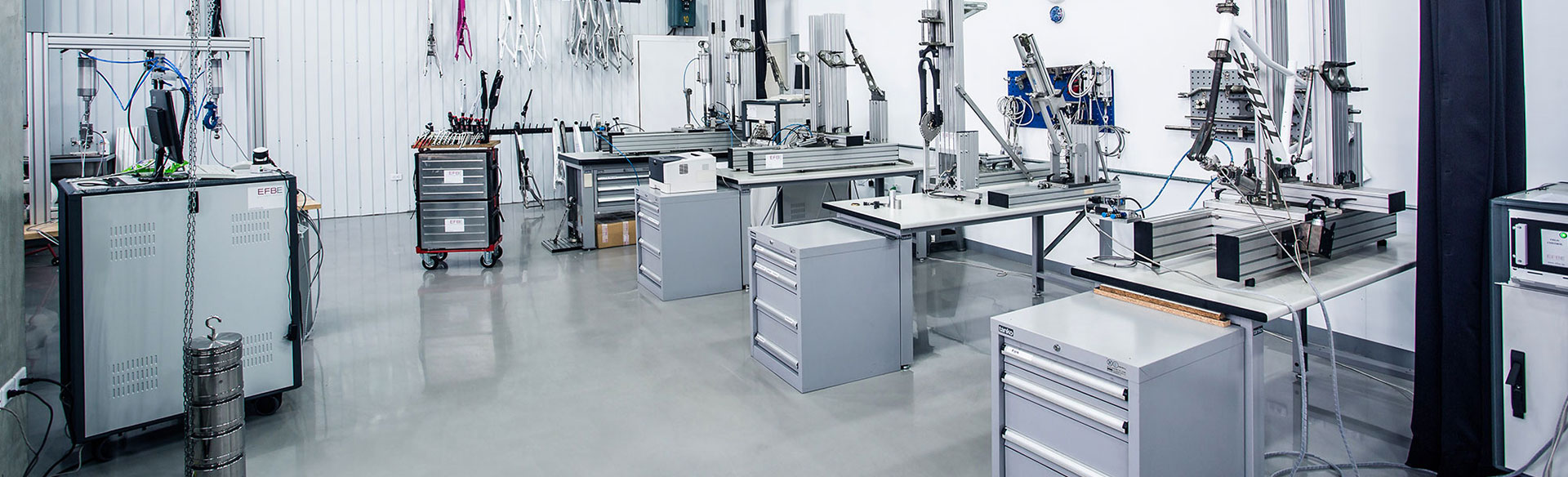
Our organization, which has been supporting businesses across all sectors for years through a wide range of testing, measurement, analysis, and evaluation activities, has a strong team of employees who closely follow global developments in science and technology and are constantly improving themselves. In this context, we also provide testing services in accordance with the EN ISO 4210 Bicycles - Safety requirements for bicycles standard.