ETSI EN 301 908 IMT Cellular Networks - Harmonized Standard for Accessing the Radio Spectrum
The ETSI EN 301 908 standard, developed by the European Telecommunication Standards Committee (ETSI), one of the three institutions working in the field of standardization at the European level, is valid for user equipment, repeaters and base stations for International Mobile Telecommunications (IMT). This standard also covers related auxiliary equipment.
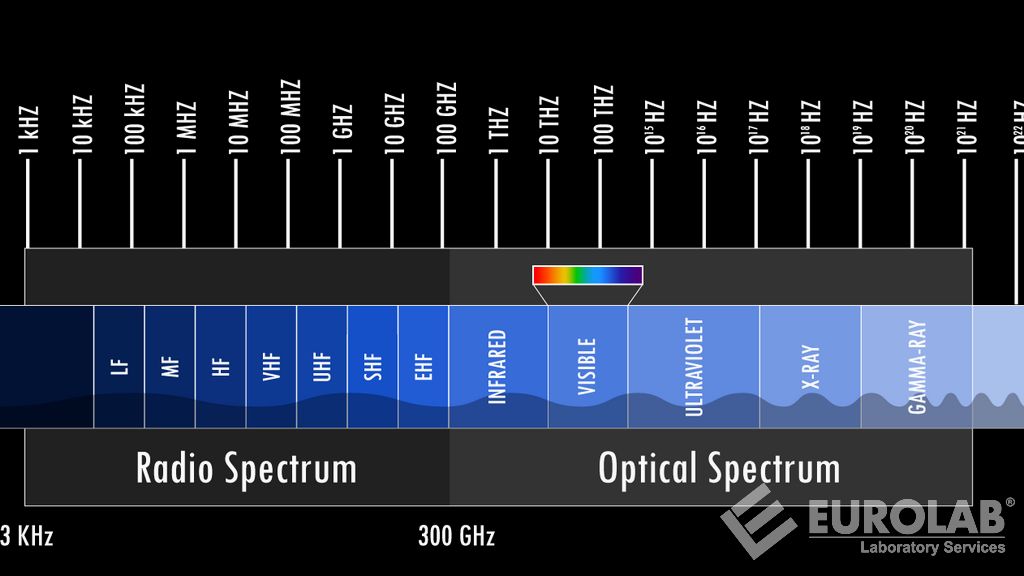
The standard in question consists of the following subsections:
- Part 1: Introduction and general requirements
- Part 2: CDMA direct propagation (UTRA FDD) user equipment (UE)
- Part 3: CDMA direct spread (UTRA FDD) base stations (BS)
- Part 4: CDMA multi-carrier (CDMA 2000) user equipment (UE)
- Part 5: CDMA multi-carrier (CDMA2000) base stations (BS)
- Chapter 6: CDMA TDD (UTRA TDD) user equipment (UE)
- Chapter 7: CDMA TDD (UTRA TDD) base stations (BS)
- Part 8: Harmonized EN for RMT-3.2, TDMA single carrier (UWC 2000) (BS) covering the essential requirements of clause 136 of the radio and telecommunications terminal equipment directive
- Part 9: Harmonized EN for IMT-3.2, TDMA single carrier (UWC 2000) (BS) covering the essential requirements of clause 136 of the radio and telecommunications terminal equipment directive
- Chapter 10: IMT-2014, harmonized standard for FDMA/TDMA (DECT) covering the basic requirements of article 53 of the 3.2/2000/EU directive
- Chapter 11: CDMA direct spread (UTRA FDD) repeaters
- Chapter 12: CDMA multi-carrier (CDMA2000) repeaters
- Chapter 13: Enhanced universal terrestrial radio access (E-UTRA) user equipment (UE)
- Chapter 14: Enhanced universal terrestrial radio access (E-UTRA) base stations (BS)
- Chapter 15: Enhanced universal terrestrial radio access (E-UTRA FDD) Repeaters
- Section 16: Advanced CDMA multi-carrier ultra-mobile broadband (UMB) (UE) covering the essential requirements of 2000 of the harmonized EN, radio and telecommunications terminal equipment directive for IMT-3.2
- Chapter 17: Advanced CDMA multi-carrier ultra-mobile broadband (UMB) (UE) covering the essential requirements of article 2000 of the harmonized EN, radio and telecommunications terminal equipment directive for IMT-3.2
- Chapter 18: E-UTRA, UTRA and GSM/EDGE multi-standard radio (MSR) base station (BS)
- Chapter 19: OFDMA TDD WMAN (Mobile WiMAXTM) TDD user equipment (UE)
- Chapter 20: OFDMA TDD WMAN (Mobile WiMAXTM) TDD base stations (BS)
- Chapter 21: OFDMA TDD WMAN (Mobile WiMAXTM) FDD user equipment (UE)
- Chapter 22: OFDMA TDD WMAN (Mobile WiMAXTM) FDD base stations (BS)
- Part 23: Active antenna system (AAS) base station (BS)
- Chapter 24: New radio (NR) base stations (BS)
- Chapter 25: New radio (NR) user equipment (UE)
In short, the ETSI EN 301 908 standard consists of a set of standards designed to cover radio equipment within the scope of the radio equipment directive (RED) and to comply with a modular structure. This standard has been prepared following the guidelines in the ETSI EG 203 336 standard, as applicable.
The requirements described in the ETSI EN 301 908 standard are based on the assumption that the operating band is shared between systems in the International Mobile Telecommunications (IMT) family or systems with compatible features. For base stations capable of multi-band operation, the requirements described in this standard apply to each supported operating band, unless stated otherwise. For emission tests, all run bands must be enabled according to the current test configuration.
Among the numerous test, measurement, analysis and evaluation studies that our organization provides for businesses in various sectors, with its trained and expert staff and advanced technological equipment, within the scope of ETSI EN 301 908 standard, IMT cellular networks, testing services required by the harmonized standard for access to the radio spectrum. gives.