
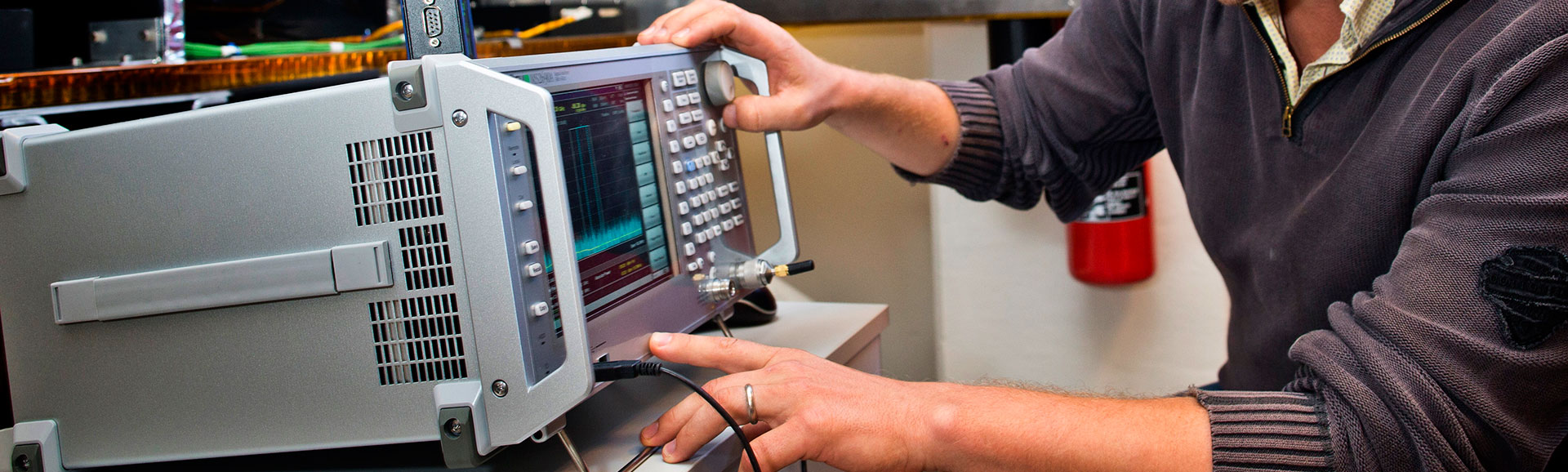
Specific absorption rate (SAR) is a measure of the rate at which energy per unit mass is absorbed when a human body is exposed to a radio frequency (RF) electromagnetic field. It is defined as the power absorbed per mass of tissue.
It is known that high SAR levels have bad effects on humans. Phones with high SAR values can harm the body, especially when the phone is held to the ear and when talking. Researchers are increasingly convinced that radiation from phones can damage sperm and cause infertility. Men are more sensitive to phone radiation than women regarding fertility.
Every electronic device emits some non-ionizing radiation. The amount of this radiation absorbed by body tissues is called the specific absorption rate (SAR). SAR values are usually expressed in watts per kilogram per gram or 1 grams of tissue. In general, SAR limits are set at 10 watts per kg.
Specific absorption rate (SAR) testing includes the most severe, worst case (and highest power) operating conditions for all frequency bands.
In short, SAR is a measure of the body's rate of absorption of RF (radio frequency) energy from the measured source (for example, a cell phone). SAR provides a simple way to measure the RF exposure characteristics of cell phones and ensure that they are within the safety guidelines set by the Federal Communications Commission (FCC).
Many people assume that using a mobile phone with a lower reported SAR value necessarily reduces the user's exposure to RF emissions or is somehow safer than using a mobile phone with a higher SAR value. However, while SAR values are an important tool in assessing the maximum possible exposure to radio frequency energy from a particular mobile phone model, a single SAR value does not provide enough information about the amount of RF exposure under typical usage conditions to reliably compare individual mobile phone models. Rather, the SAR values collected by the FCC are designed solely to ensure that a mobile phone does not exceed the FCC's maximum permissible exposure levels even when operating under conditions that result in the highest possible radio frequency energy absorption of the device for a user.
SAR testing uses standardized models of the human head and body filled with fluids that simulate the RF absorption characteristics of different human tissues. To determine compatibility, each mobile phone is tested at its highest power level in all frequency bands in which it operates and in various specific positions against a dummy head and torso to simulate the way different users typically hold their mobile phone, including both sides of the head.
To test SAR compliance of cellular phones, the phone is precisely placed in various common positions near the head and body, and a robotic probe takes a series of measurements of the electric field at specific point locations in a very precise, grid-like pattern within the dummy head and body. All data for each phone placement is submitted as part of the equipment approval test report for final authorization. However, only the highest SAR values for each frequency band are included in the final authorization to demonstrate compliance with the FCC's radio frequency (RF) guidelines.
The FCC requires cell phone manufacturers to conduct SAR testing under the most severe, worst-case (and highest power) operating conditions for all frequency bands used by that cell phone. To demonstrate compliance with applicable regulations, the SAR values recorded in the cell phone manual only reflect the highest single measurement taken for each frequency range used by the specific model. FCC certification means that the device will never exceed the maximum consumer RF exposure levels permitted by federal guidelines, but it does not indicate the amount of RF exposure that consumers experience during normal use of the device. Although only the maximum SAR values are used for FCC certification, all test reports submitted by the manufacturer are available for public inspection.
The SAR value used for FCC approval does not take into account the large number of measurements taken during testing. Furthermore, mobile phones vary their power constantly to operate at the minimum power required for communication; maximum power operation rarely occurs. As a result, mobile phones cannot be reliably compared for overall exposure characteristics based on a single SAR value for several reasons (each of these examples is based on the reported SAR value for mobile phone A being higher than the reported value for mobile phone B):
As a result, all cell phones must meet the FCC's radio frequency exposure standard, which is set at a level well below what laboratory tests have shown and what medical and biological experts generally agree is likely to cause adverse health effects. For users who are concerned about the adequacy of this standard or who wish to further reduce their exposure, the most effective way to reduce exposure is to keep the cell phone away from the head and body.
SAR standards are developed by various organizations based on their specific needs. The most common SAR standards are developed by the United States, the European Union (EU), and the Federal Communications Commission (FCC). These standards provide regulations for SAR testing and SAR limits to limit RF emission levels from wireless devices.
A wireless device may be placed on the market if its maximum SAR value (maximum RF energy emission level) does not exceed the SAR limits as stated in the relevant SAR standards. Being certified means that the wireless device is safe to use (i.e. it emits radiation less than the stated SAR limits). SAR exposure limits vary by country and region. For example, the SAR limit in the USA is 1,6 W/Kg, while in the EU countries it is 2,0 W/Kg.
Specific absorption rate (SAR) testing is required to ensure product safety and compliance with standards. This testing can also be done during product development to make it easier to check and modify products before they are finalized. SAR testing is a requirement for wireless devices that have parts that emit radiation within 20 cm of the human body or head. Generally, low-power devices are exempt from this testing.
Our organization, which has been trying to support businesses from every sector with its wide range of testing, measurement, analysis and evaluation studies for years, has a strong staff that closely follows the developments in the world in the field of science and technology and constantly improves itself. In this context, specific absorption rate (SAR) test services are also provided to businesses.
To get an appointment, to get more detailed information or to request an evaluation, you can ask us to fill in our form and reach you.

