

The standard "EN IEC 62620 Secondary cells and batteries containing alkaline or other non-acid electrolytes - Secondary lithium cells and batteries for use in industrial applications", based on a European standard and subsequently published by the International Electrotechnical Commission (IEC), specifies the marking, testing, and requirements for lithium secondary cells and batteries used in industrial applications, including stationary installations. Where an IEC standard conflicts with this standard and specifies test conditions and requirements for cells used in specific applications, this standard takes precedence (e.g., the IEC 62660 series of standards for road vehicles).
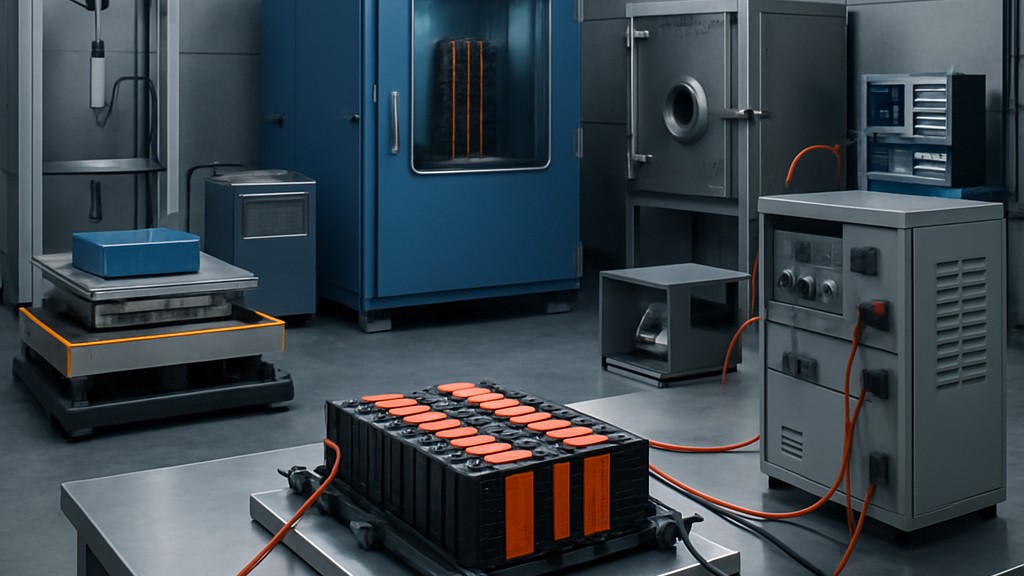
Below are some application examples where cells and batteries covered by this standard are used:
Because this standard covers batteries for various industrial applications, it includes common and minimum requirements for various applications. This standard applies to cells and batteries. If the battery is subdivided into smaller units, the smaller unit may be tested as representative of the battery. The manufacturer shall clearly declare the unit under test. The manufacturer may add functions found in the final battery to the unit under test.
In the rapidly evolving world of energy storage, lithium-ion batteries have become indispensable for a wide range of applications, from powering industrial machinery to supporting critical infrastructure. As these technologies advance, international standards play a crucial role in ensuring their safety, reliability, and performance. One such key standard is EN IEC 62620. This standard specifies the essential requirements for lithium secondary cells and batteries used in harsh industrial environments.
The IEC 62620 standard focuses on secondary lithium cells and batteries containing alkaline or other non-acid electrolytes, particularly for industrial use. This covers both stationary and mobile applications, but excludes consumer electronics and road vehicles, where other standards such as IEC 62133 or IEC 62660 take precedence. This standard applies to individual cells, batteries, and even smaller modular units representing larger systems, providing manufacturers with flexibility in test protocols.
This standard addresses the unique stresses of industrial environments across various sectors, such as high loads, long operating cycles and exposure to changing environmental conditions.
The EN IEC 62620 standard essentially establishes comprehensive guidelines for marking, testing, and performance to reduce risks such as thermal runaway, short circuits, and premature failure. Manufacturers must ensure that their products undergo a series of standard tests to verify their electrical, mechanical, and environmental durability.
Clear, durable labeling is essential, including details such as cell type, capacity, voltage, manufacturer information, and safety warnings. This facilitates traceability and safe use throughout the battery's lifespan.
The EN IEC 62620 standard requires a series of tests that are often carried out in conjunction with safety-focused standards such as the IEC 62619 standard. Key tests include:
These tests establish measurable benchmarks, such as minimum capacity retention and maximum internal resistance, to verify the battery's suitability for industrial demands.
This standard fosters international cooperation in electrotechnical standardization and aligns with IEC's broader efforts to promote interoperability and safety. The latest revision includes updates to address evolving battery chemistries and application needs. This consolidated edition reflects ongoing improvements based on industry feedback and technological progress, integrating change tracking changes for easy reference.
Compliance with the EN IEC 62620 standard is not just a regulatory checkbox; it's a cornerstone of innovation in the industrial battery sector. With the global transition to renewable energy and electrification, demand for reliable energy storage is increasing, and this standard extends product life, reduces downtime, and enhances user confidence. Reputable certification bodies offer CB Scheme testing, ensuring seamless cross-border market access.
For manufacturers, this compatibility translates to competitive advantages: improved performance metrics, reduced liability risks, and compliance with industry agreements in growth markets like energy storage and automation. In short, the EN IEC 62620 standard protects against the variability inherent in lithium technologies, paving the way for safer and more sustainable industrial operations.
Ultimately, the EN IEC 62620 standard demonstrates IEC's commitment to developing safe electrotechnical solutions. By defining clear marking, testing, and requirement frameworks, it enables the industrial sector to exploit the potential of lithium batteries without compromising safety or efficiency.
Our organization, which has been operating for many years and meticulously follows global developments in science and technology, employs a team of experienced professionals and a broad infrastructure to conduct testing, measurement, and analysis in a wide range of areas for businesses across all sectors. In this context, we also provide testing services in accordance with the standard "EN IEC 62620 Secondary cells and batteries containing alkaline or other non-acid electrolytes - Secondary lithium cells and batteries for use in industrial applications."
To get an appointment, to get more detailed information or to request an evaluation, you can ask us to fill in our form and reach you.

