

The standard “NFPA 855 Standard for the Installation of Stationary Energy Storage Systems,” published by the National Fire Protection Association (NFPA), describes minimum requirements for reducing hazards associated with energy storage systems.
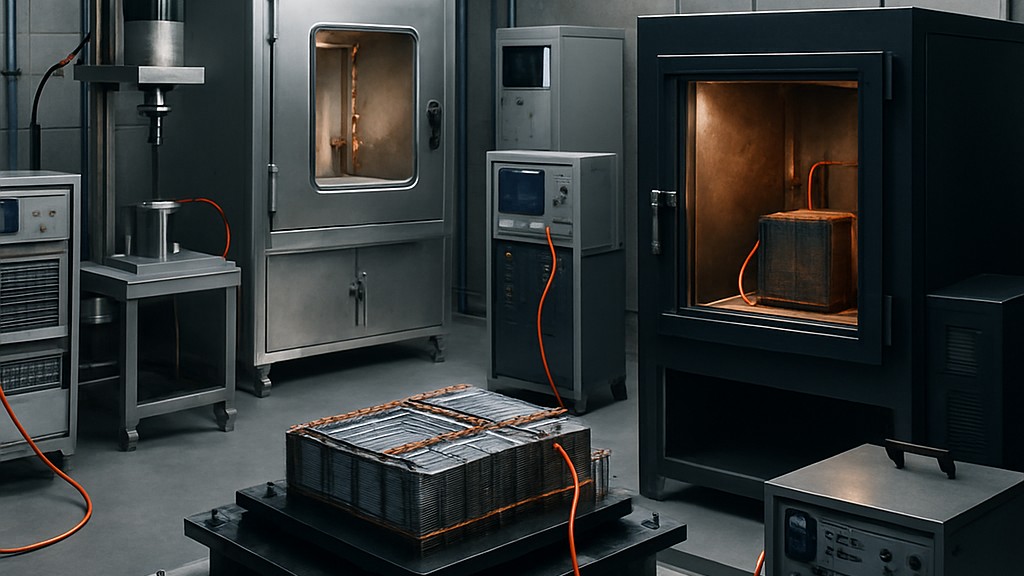
This standard provides guidance on reducing risks and ensuring that all installations are properly constructed, taking into account vital life safety considerations. This standard provides comprehensive criteria for fire protection of energy storage system installations, based on the technology used, the environment in which the technology is installed, the size and spacing of energy storage system installations, and existing fire suppression and control systems. It also covers topics such as fire detection and suppression, explosion control, exhaust ventilation, gas detection, and thermal runaway.
This standard applies to the design, construction, installation, commissioning, operation, maintenance, and decommissioning of stationary energy storage systems, including mobile and portable energy storage systems installed in a fixed environment and the storage of lithium metal or lithium-ion batteries. This standard provides minimum requirements for mitigating the hazards associated with energy storage systems and the storage of lithium metal or lithium-ion batteries.
This standard applies to energy storage system installations and storage of lithium metal or lithium-ion batteries exceeding the values shown in the table titled "Threshold quantities for each fire area or outdoor installation" provided within the standard. Energy storage systems shall comply with the requirements of this standard, where applicable. A mobile energy storage system deployed for 90 days or less at an electrical distribution substation or generating facility shall not be included in the threshold values in the table for a fixed energy storage system installation if both conditions specified herein apply.
As the world rapidly moves toward renewable energy, energy storage systems have become essential for balancing intermittent sources like solar and wind. These systems, typically powered by lithium-ion batteries, store large amounts of energy to ensure grid stability and power reliability. However, they also carry unique fire risks, including thermal runaway. These risks include a chain reaction in which batteries overheat, release flammable gases, and potentially ignite violently. This is where NFPA 855, a critical framework developed to mitigate these hazards and promote safe deployment, comes in. This standard was developed in response to the rapid growth of energy storage system technologies following egregious battery fires and regulatory loopholes. The latest update to this standard introduces enhanced requirements for fire detection, suppression, explosion control, exhaust ventilation, gas detection, and thermal runaway mitigation.
The NFPA 855 standard applies to all scales, from residential rooftop units to community-scale farms, and covers the entire life cycle: design, construction, installation, commissioning, operation, maintenance, and decommissioning.
This standard emphasizes inherent risk-based design, tailoring protections to the energy storage system technology, installation site, system size, and existing fire suppression infrastructure. The standard includes sections addressing requirements, general principles, system connections, and technology-specific guidelines (batteries, electrochemical, flow, and other systems).
The basic principles on which this standard is based are as follows:
Collectively, these measures address the hazards of toxic and flammable gases, energy loss, and increased fire intensity, making the NFPA 855 standard a vital tool for everyone.
The NFPA 855 standard has transformed energy storage system safety by enabling safer integration with solar photovoltaic systems and grid infrastructure. However, challenges remain. Adoption varies by jurisdiction. Some states mandate it through the IFC, while others require voluntary compliance. Emerging technologies like flow batteries or thermal storage require ongoing updates.
In short, the NFPA 855 standard stands out as a benchmark for responsible growth in global energy storage capacity. By integrating fire safety into every phase of energy storage system implementation, it not only prevents disasters but also increases public confidence in clean energy. Compliance with this standard is crucial for everyone involved in energy storage systems, from homeowners to battery backup users to developers scaling megaprojects. In the era of energy transformation, NFPA 855 is not just a standard; it lays the foundation for a resilient grid.
Our organization, which has been serving for many years and meticulously following global developments in science and technology, employs a skilled team and extensive infrastructure to conduct testing, measurement, and analysis in a wide range of areas for businesses across all sectors. In this context, we also provide testing services in accordance with NFPA 855, Standard for the Installation of Stationary Energy Storage Systems.
To get an appointment, to get more detailed information or to request an evaluation, you can ask us to fill in our form and reach you.

