

The standard "FORD WSS-M99P48-B5 Foam performance pressure-sensitive adhesive tape (HV battery application)," developed by Ford Motor Company (FORD), specifies the minimum durability requirements for foams for HV battery applications made from a variety of materials, including, but not limited to, melamine foam, polypropylene foam, polyurethane foam, silicone foam, and pressure-sensitive adhesive foam tape. This standard was originally designed for HV battery applications and is intended to provide cushioning. The pressure-sensitive adhesive should be tested on the intended surface in the design. Foams for cell-to-cell application are not within the scope of this performance standard.
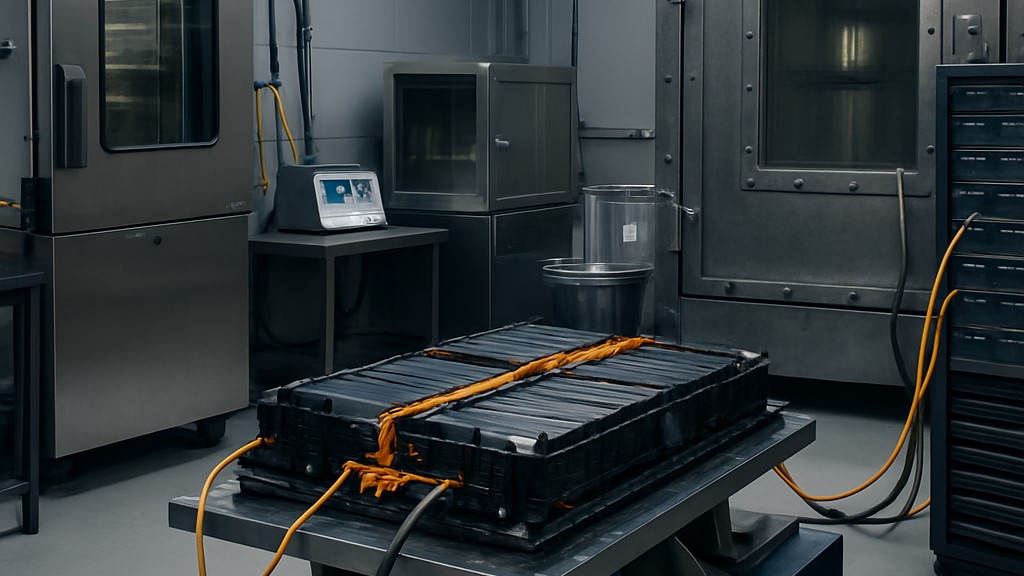
This standard is performance-based and does not have approved sources. Parts using this standard must meet the appropriate component performance specification and meet applicable requirements. Ford Materials Engineering may request a control plan and certificate of analysis that includes batch test requirements, including, but not limited to: density and bond strength. Design verification and process/product validation requirements are included in the table at the end of the specification to determine the required tests for sample size.
In the complex world of automotive manufacturing, where every component must balance performance, durability, and safety, material properties play a crucial role. One such critical standard is FORD WSS-M99P48-B5, a detailed engineering guide governing the performance of foam materials used in various vehicle applications. As electric vehicles (EVs) and advanced driver assistance systems push the boundaries of design, understanding these properties is becoming essential for engineers, suppliers, and enthusiasts.
Ford's M99P48 series of standards specifically addresses foam performance, addressing how these versatile materials behave under real-world stresses such as heat, vibration, and environmental exposure. The FORD WSS-M99P48-B5 standard includes an update incorporating feedback from field testing, regulatory changes, or advancements in polymer chemistry. This standard should be used in conjunction with FORD WSS-M99P1111-A, Ford's general standard for manufacturing material requirements, which covers key aspects such as flammability, toxicity, and recyclability.
Foams complying with the WSS-M99P48-B5 standard are widely used as insulators, seals, and dampers in vehicles. Their primary uses include:
Some suppliers typically certify their polyurethane or polyethylene foams to the WSS-M99P48-B5 standard, ensuring seamless integration into various Ford models.
The WSS-M99P48-B5 standard provides rigorous testing for mechanical, thermal, and chemical properties. Foams must demonstrate:
A notable improvement in the WSS-M99P48-B5 standard is its alignment with sustainability requirements. Recent revisions include recycled content thresholds (e.g., greater than 25 percent post-industrial recycling) and support Ford's carbon neutrality goals by 2050. This isn't just greenwashing; recycled foams maintain their performance while reducing raw polymer usage.
Compliance presents challenges: suppliers report that balancing lower VOC emissions (for indoor air quality) with cost can increase production by 15–20 percent. However, innovations such as biobased polyols are closing this gap.
Meanwhile, the WSS-M99P48-B5 standard isn't limited to Ford. It's influencing industry norms and echoing GM's GMW specifications and Europe's VDA standards. For consumers, it translates to quieter rides and longer-lasting interiors. In a market shifting toward autonomous driving, these foams are evolving to reduce sensor vibrations, ensuring radar accuracy.
The Ford WSS-M99P48-B5 standard is critical for many reasons, as it ensures the performance, safety, and reliability of foam materials in automotive applications. This standard is considered important for the following reasons:
In short, the WSS-M99P48-B5 standard drives quality, safety and innovation in automotive foams, impacting everything from passenger comfort to environmental goals, making it a cornerstone of modern vehicle engineering.
Our organization, which has been operating for many years and meticulously follows global developments in science and technology, conducts testing, measurement, and analysis in a wide range of areas for businesses across all sectors with a skilled team and extensive infrastructure. In this context, we also provide testing services in accordance with the "FORD WSS-M99P48-B5 Foam Performance Pressure-Sensitive Adhesive Tape (HV Battery Application)" standard.
To get an appointment, to get more detailed information or to request an evaluation, you can ask us to fill in our form and reach you.

