

The “RTCA DO-311A Performance Test for Rechargeable Lithium Batteries” standard, developed by the Aviation Radio Technical Commission (RTCA), describes the requirements for rechargeable lithium batteries and battery systems permanently installed on aircraft. For the purposes of this standard, a battery or battery system is considered permanently installed equipment when it is incorporated as part of the aircraft’s type design (or revised type design). This standard also applies to rechargeable lithium batteries contained within portable electronic devices that are part of the type design . However, this standard does not apply to primary (non-rechargeable) lithium batteries.
Rechargeable lithium batteries in portable electronic devices that are not part of the type design are excluded from the scope of this standard. These portable electronic devices fall under the jurisdiction of the flight standards division of the Federal Aviation Administration (FAA) and are regulated by operational rules under Title 14 of the Code of Federal Regulations (CFR). Portable electronic devices that are not part of the type design, particularly those charged on the flight deck, present similar hazards to permanently attached equipment.
This standard does not require testing at the individual cell level or characterization of cell/battery aging. Other international standards can be used to perform cell-level testing or characterize the effects of cell/battery aging.
The RTCA DO-311A standard is for rechargeable lithium batteries and battery systems permanently installed in aircraft. It provides design, analysis, testing, and installation guidance for rechargeable lithium batteries and battery systems. The tests defined in this standard provide a standard method for verifying (i.e., pass/fail) and characterizing (i.e., reporting results) the safety and performance of batteries and battery systems.
This standard is intended for designers and manufacturers of rechargeable lithium batteries and battery systems, aircraft manufacturers, aircraft equipment installers, and users in the aviation community. Meeting the requirements of this standard provides a means of ensuring that batteries and battery systems will safely perform their intended functions under the conditions encountered in aviation operations. To ensure safe operation in aircraft, it is imperative that users of this standard thoroughly understand the aircraft performance requirements and the capabilities and limitations of batteries and battery systems. Equipment installers are responsible for ensuring that batteries and battery systems meet the aircraft's certification and installation requirements. Any regulatory implementation of this standard is the responsibility of the appropriate government agency.
Lithium-ion (Li-ion) batteries are rechargeable secondary batteries consisting of a graphite anode and a cathode that can rapidly and repeatedly release lithium ions. Most modern aircraft use some form of battery power to power equipment such as auxiliary power units, emergency lighting, and emergency locator transmitters.
Aviation manufacturers must balance battery power and reliability with safe design. Rechargeable secondary batteries can leak, short-circuit, and experience overcharging or over-discharging, which can degrade battery quality. Various failure modes and chemical reactions also put the entire aircraft at risk of fire, explosion, and exposure to hazardous fumes and corrosive chemicals.
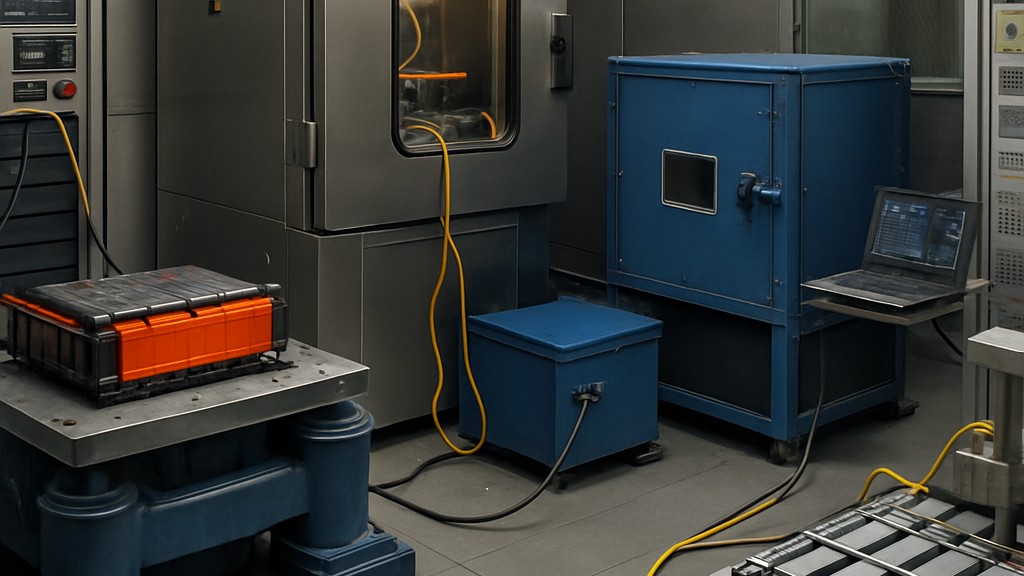
RTCA DO-311 is a minimum operating performance standard that guides the effective design, testing, and analysis of batteries permanently installed on an aircraft. This standard standard standardizes performance test methods for battery validation and characterization, allowing manufacturers to ensure their products meet regulatory and safety requirements. Advanced laboratories can perform mechanical and electrical tests on battery prototypes to identify potential safety hazards before the product reaches market. RTCA conducts mechanical tests according to DO-311 to simulate real-world forces and conditions that could compromise battery function and safety, such as drop impact, burst hold, handle force, and electrical abuse testing. Electrical abuse tests can help ensure the safe operation of the battery and battery system despite various forms of electrical abuse.
Electrical safety and performance tests are also performed according to the RTCA/DO-311 standard. These tests include: capacity test, charge acceptance, charge retention, constant voltage discharge, insulation resistance, overcharge, overdischarge, fast discharge, and short circuit.
In short, the RTCA DO-311 standard is important because it establishes minimum operational performance standards for rechargeable lithium battery systems used in civil aviation. These batteries are typically used in aircraft systems for backup power, emergency lighting, and other critical functions. This standard is considered important for the following reasons:
Our organization, which has been supporting businesses across all sectors for years through a wide range of testing, measurement, analysis, and evaluation activities, has a strong team of employees who closely follow global developments in science and technology and are constantly improving themselves. In this context, we also provide testing services to businesses in accordance with the "RTCA DO-311A Performance Test for Rechargeable Lithium Batteries" standard.
To get an appointment, to get more detailed information or to request an evaluation, you can ask us to fill in our form and reach you.

