
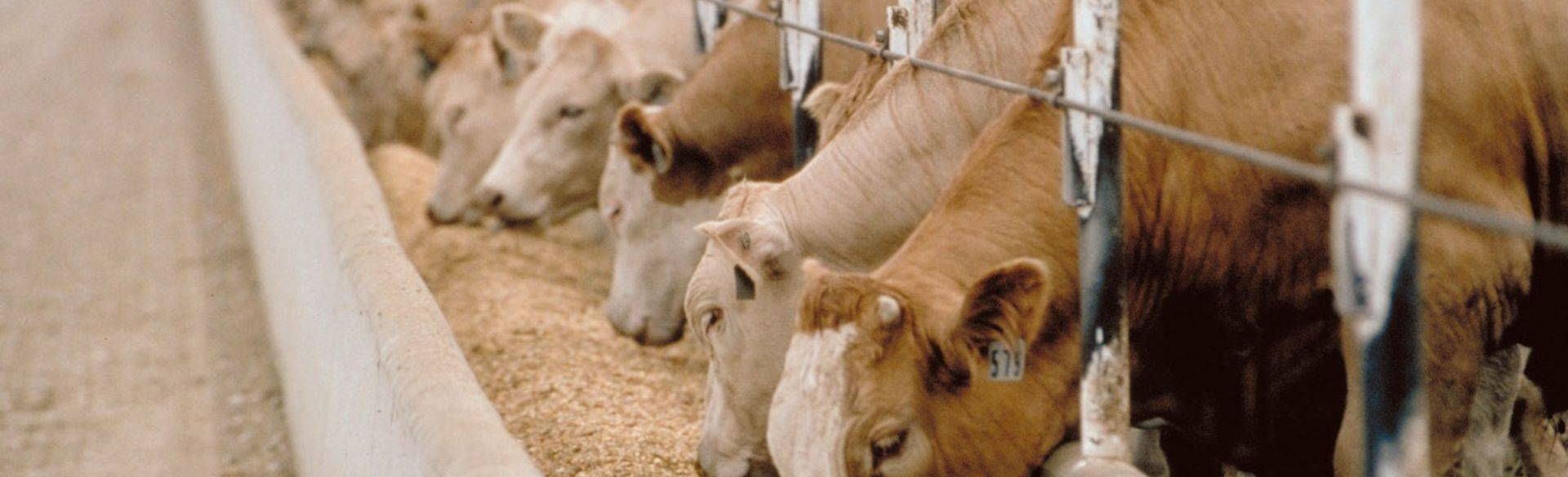
Silage feed, especially corn silage, is an important component of dairy cow nutrition worldwide. Feeds are often contaminated with mycotoxins after being stored in the field before harvest, during storage or during feeding. Exposure to these feeds adversely affects the performance and health of farm animals and even endanger human health. Various studies show that farm animals are often exposed to mycotoxins, such as aflatoxins, through the silage they eat.
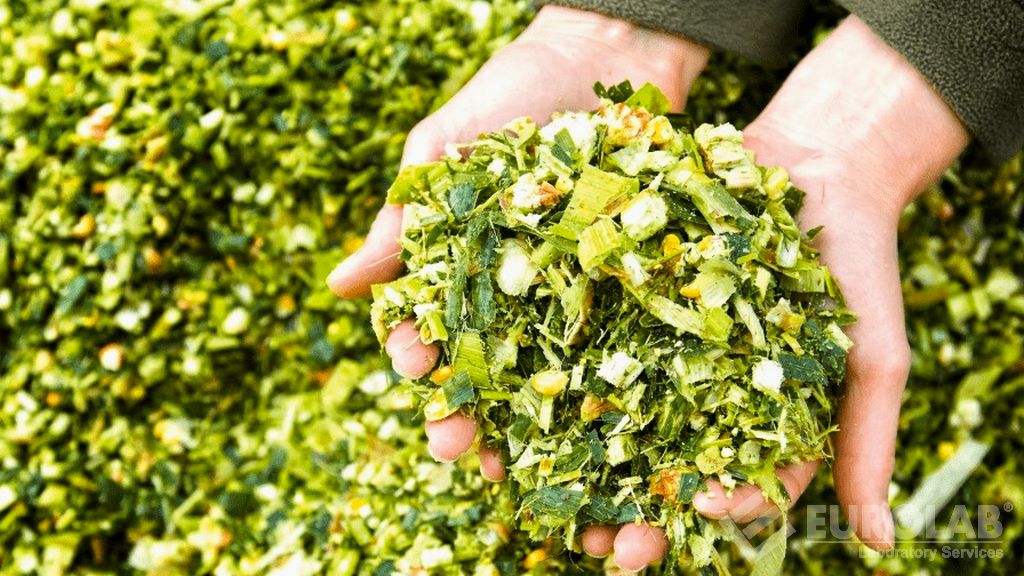
Problems with mycotoxins in silage are tried to be minimized by preventing fungal growth before and after contamination. Appropriate silage management is essential to reduce mycotoxin contamination of dairy cow feeds, and contamination levels are reduced with some anti-mold chemical additives or microbial vaccines.
Mycotoxins are a group of secondary metabolites generally secreted by fungal organisms. Fungi include aflatoxins. Fungi grow rapidly at all stages of plant production and storage, often in environments with high humidity, high temperature and oxygen access. When animals are fed with mycotoxin-contaminated feeds, milk production decreases, reproductive problems are experienced, the immune system is suppressed and toxic effects that cause death occur.
Mycotoxins are found in many livestock feeds, including concentrates, green fodders, straws and silages.
In the test, analysis, measurement and evaluation studies carried out in our organization, national and international standards and applicable legal regulations are complied with and reliable and impartial results are obtained. Among the numerous tests carried out in this context, there are also mycotoxin detection services in silage feeds.
To get an appointment, to get more detailed information or to request an evaluation, you can ask us to fill in our form and reach you.

