
Polychlorinated biphenyls (PCBs) are a group of artificially produced chemicals. These are clear yellow, oily liquids or solids with no odor or taste. Polychlorinated biphenyls are very stable components resistant to extreme temperatures and pressures. It is widely used in electrical equipment such as capacitors and transformers in general.
The production of polychlorinated biphenyls, which are synthetic chlorinated hydrocarbon compounds, was stopped many years ago. Nevertheless, these compounds remain on the list of persistent organic pollutants. In fact, humans continue to be exposed to the toxic effects of polychlorinated biphenyls due to their resistance to chemical and biological decomposition, their bioaccumulation capacity, and their long half-lives. Studies show that exposure to polychlorinated biphenyls increases the risk of developing certain types of cancer.
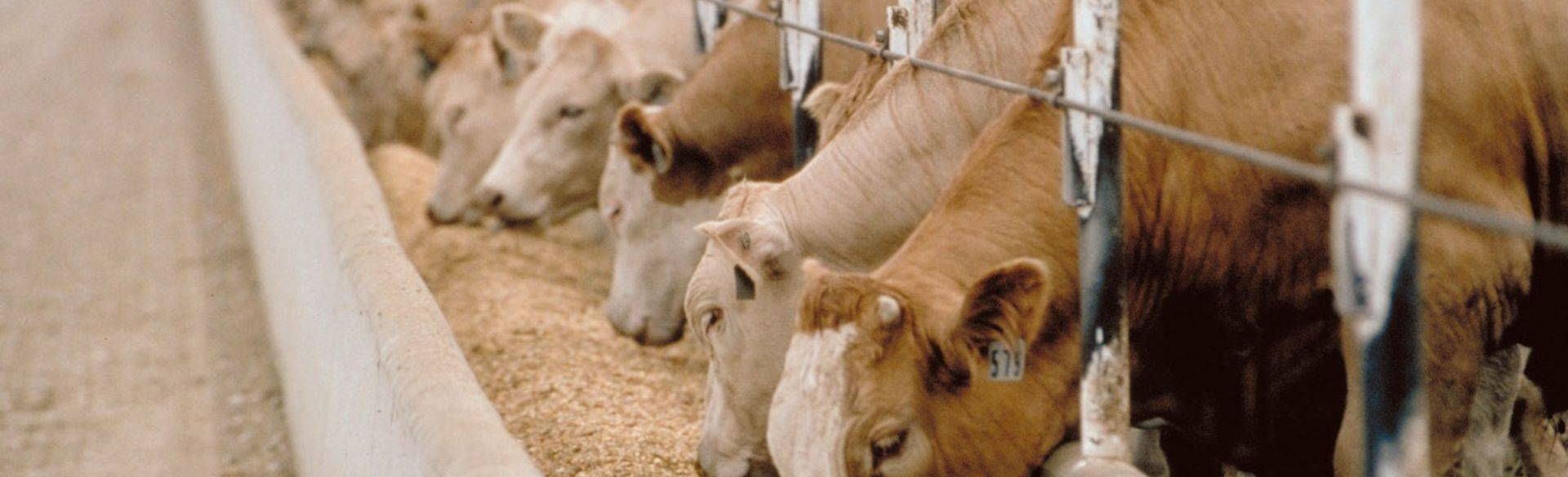
PCBs accumulate in living organisms through the food chain and therefore food is the main source of exposure for humans. More than 90 percent of exposure is through diet. The highest concentrations are found in salmon and shellfish, dairy products (especially milk and butter), and animal fats.
In the test, analysis, measurement and evaluation studies carried out in our organization, national and international standards and applicable legal regulations are complied with and reliable and impartial results are obtained. These studies are based on the latest technological equipment, trained and experienced staff and modern methods. Among the numerous tests carried out in this context, there are also feed analysis - sum analysis of indicator polychlorinated biphenyls (PCB).
To get an appointment, to get more detailed information or to request an evaluation, you can ask us to fill in our form and reach you.

