
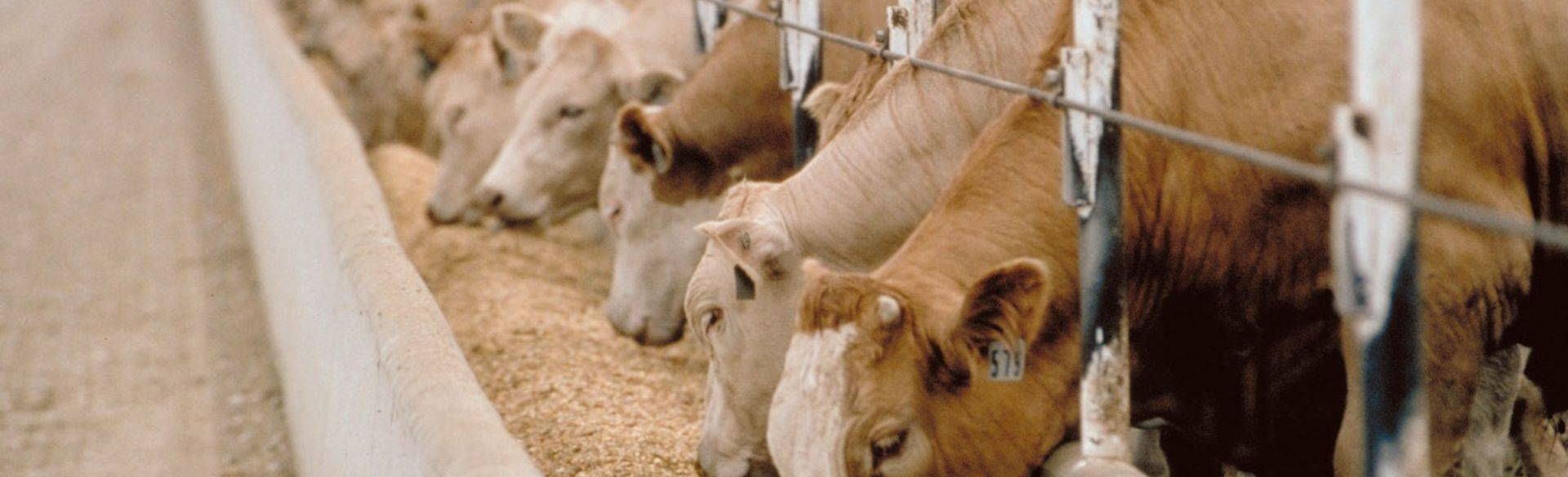
Raw ash, consisting of proteins, fats, carbohydrates, organic and inorganic compounds, corresponds to the remaining ratio after the feed is burned at 550 degrees for six hours. In high quality animal feeds, it contains raw ash, calcium, phosphorus, iron, copper, zinc, manganese, iodine, selenium, cobalt and sodium minerals. Low animal feed can be contaminated with sand or soil. To detect the presence of sand, soil or other inorganic impurities, the raw ash is incinerated with hydrochloric acid offset, leaving pure ash. However, since humus is also burned in the incineration process, pollution from highly humus soil cannot be detected with this method. Organic mineral feed has a high raw ash content. According to feed regulations, they can only be defined in this way if they contain at least 40 percent raw ash.
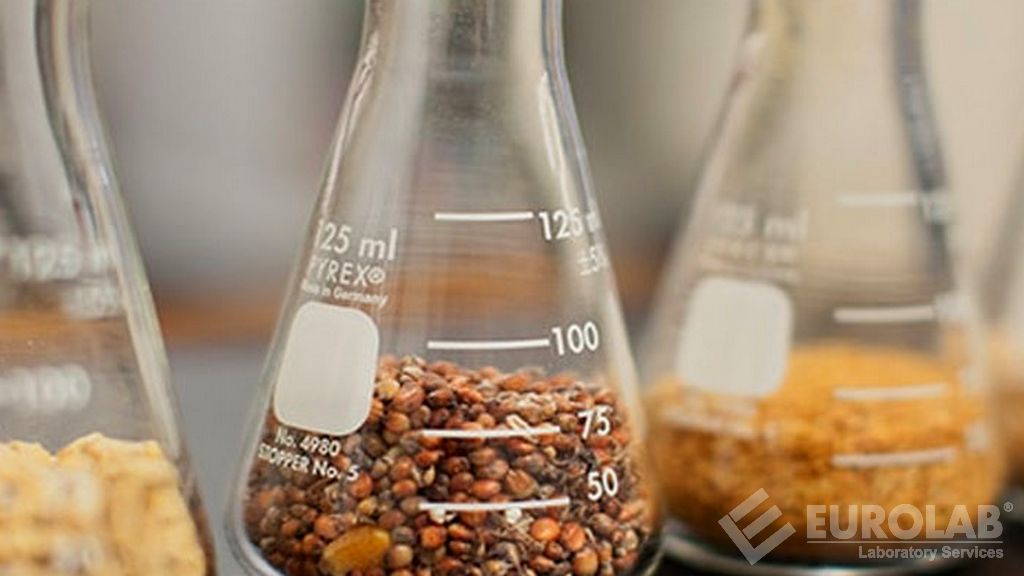
The ratio of protein to raw ash content is an indicator of the digestibility of a feed. As the raw ash content increases, digestibility decreases. The ratio is also an indicator of how much protein the feed provides. Protein requirement differs according to the type of feed. For example, because cats consume more protein than dogs, there is a higher protein in their feed.
In our organization, testing, analysis, measurement, and evaluation studies comply with national and international standards and current legal regulations, ensuring reliable and impartial results. Among the numerous tests conducted within this scope are feed analysis - crude ash analysis services.
To get an appointment, to get more detailed information or to request an evaluation, you can ask us to fill in our form and reach you.

