
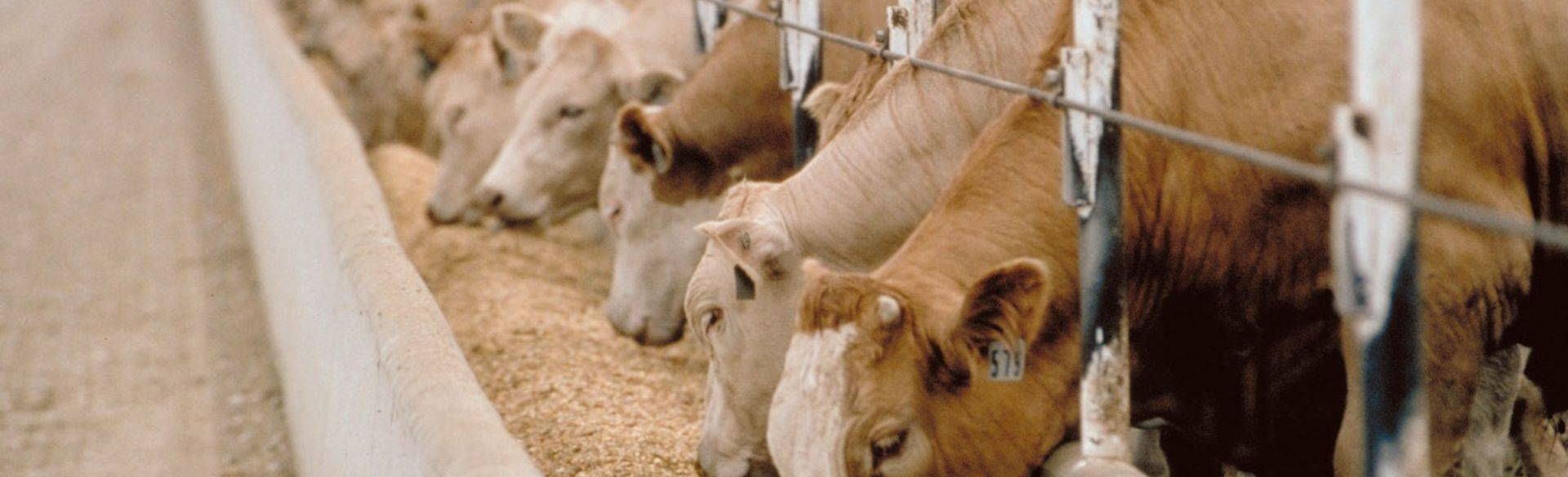
Mycotoxins have the potential to enter the human food chain through the transport of contaminants from feed to animal-derived products. Studies have shown that mycotoxin contamination in feed directly affects the presence of mycotoxins in foods of animal origin.
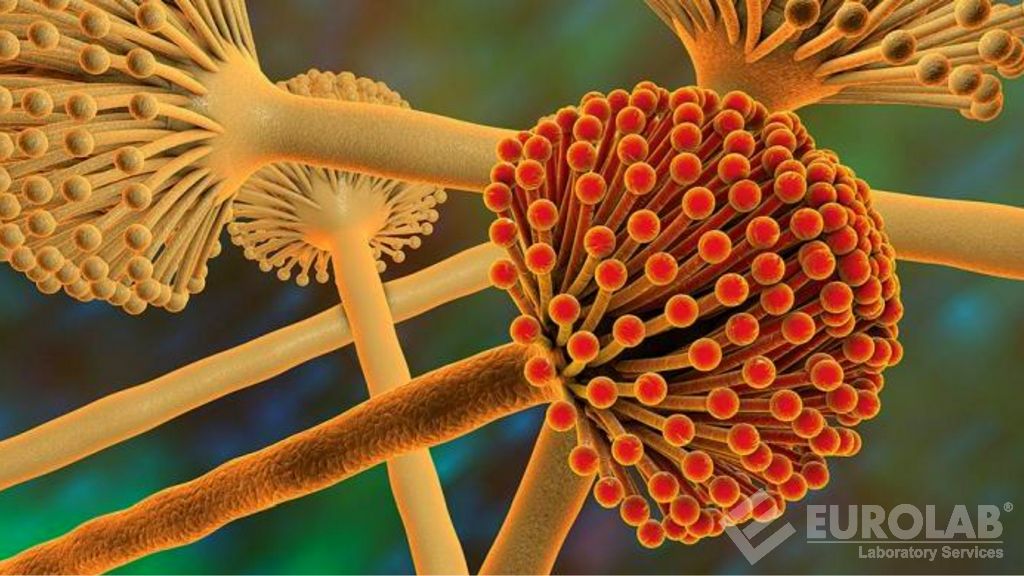
In the grain and feed industry, mycotoxins, a set of toxic chemical by-products produced by mold in raw materials, pose a serious problem. Also, tackling their impact on animal health and productivity challenges producers around the world.
According to experts, mycotoxins are among the most important feed-related stress factors affecting animal production. The side effects are numerous and the financial losses associated with these invisible toxins are enormous.
Since mycotoxins are produced by molds as a natural defensive response to environmental factors such as heat, oxygen or humidity, mycotoxin formation varies by region, year, and season. Also, animal rearing conditions and variability in storage and processing also contribute to mycotoxin levels.
However, mycotoxins have adverse effects on their own or in combination with other mycotoxins, and there are no safe levels of mycotoxins.
Mycotoxin analysis is generally limited to identifying aflatoxin B1, deoxynivalenol, zearalenone, ochratoxin A, T-2 toxin, and fumonisins. New research demonstrates the toxic potential of mycotoxins in animals.
In the test, analysis, measurement and evaluation studies carried out in our organization, national and international standards and applicable legal regulations are complied with and reliable and impartial results are obtained. Feed analysis - mycotoxin analysis services are among the numerous tests carried out in this context.
To get an appointment, to get more detailed information or to request an evaluation, you can ask us to fill in our form and reach you.

