

TT-P-1952F Federal Specification: Paint, Traffic and Airport Marking - Use on Water.
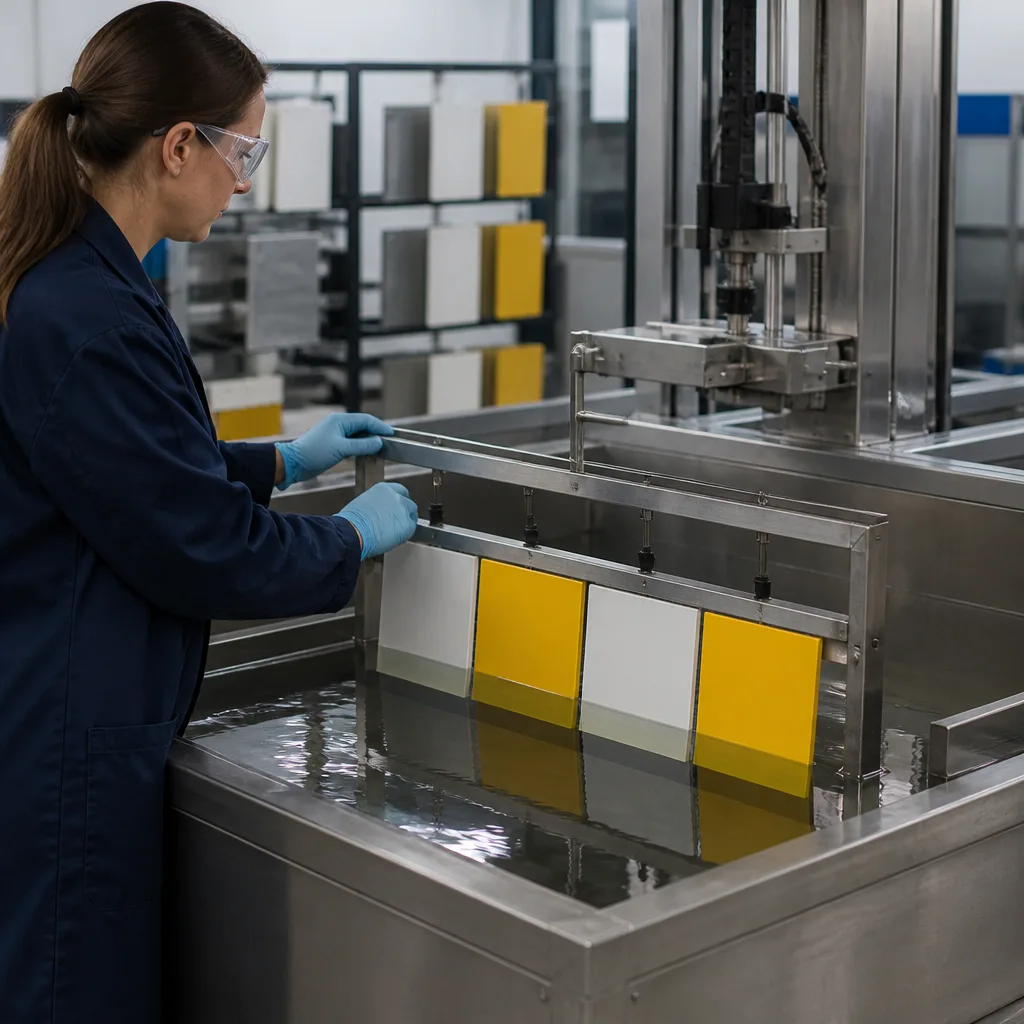
The Federal Aviation Administration (FAA) relies heavily on high-visibility road markings to ensure safe aircraft and vehicle movement on runways, taxiways, aprons, and highways. One of the most commonly referenced specifications governing these markings is the TT-P-1952F standard, a United States federal specification for water-based acrylic traffic and airport marking paints.
Originally developed for military and federal applications, the TT-P-1952F standard has become a recognized benchmark for airport road surfaces in the aviation and transportation sectors. This standard specifies performance, composition, durability, safety, and environmental compliance requirements for acrylic-based marking paints used on surfaces open to traffic.
The “TT-P-1952F Federal Specification: Paint, Traffic and Airport Marking – Use on Water” standard, used for airport and traffic marking paints, covers three types of ready-to-use, single-component, 100% acrylic water-based airport and traffic marking paints with low volatile organic compound (VOC) content. The paint is suitable for application to surfaces exposed to traffic, such as Portland cement concrete, bituminous cement concrete, asphalt, tar, and previously painted areas of these surfaces. The paint can be used alone or to bind reflective beads.
The TT-P-1952F standard defines various paint classifications depending on application and reflective performance:
These classifications help organizations select appropriate pavements based on their runway operating requirements, climate, and maintenance schedules.
Traffic paint is available in white and any Federal Standard 595 color.
The TT-P-1952F standard defines the technical requirements for ready-mixed, single-component, low-volatile organic compound, 100% acrylic water-based paints designed for use in the following areas:
This specification replaces previous standards, including TT-P-85, TT-P-87, and TT-P-110, consolidating federal requirements into a single unified specification.
The primary purpose of the TT-P-1952F standard is to ensure that road markings have the following characteristics:
In airport environments, these features are crucial because runway markings function as operational safety systems rather than decorative coverings. Aircraft tire friction, jet blast, fuel spills, ultraviolet radiation, and severe weather conditions place immense stress on runway markings.
The TT-P-1952F standard specifies the use of 100% acrylic water-based resin systems with low volatile organic compound (VOC) content. The paints are designed to provide the following:
The specification also prohibits hazardous heavy metals such as lead and chromate in compatible modern formulations.
The TT-P-1952F standard includes laboratory and field performance requirements covering various critical characteristics:
Poor adhesion can lead to premature peeling or flaking under aircraft or vehicle traffic.
One of the most important developments in the TT-P-1952F standard is its emphasis on water-based technology with low volatile organic compounds. Traditional solvent-based traffic paints raise environmental and worker safety concerns due to emissions and hazardous components. Switching to water-based acrylic systems enables:
Reduced VOC emissions
This is consistent with modern environmental regulations and sustainable infrastructure practices.
Coatings conforming to the TT-P-1952F standard are used in the following:
These types of coatings are highly valued, particularly in high-traffic operational areas where downtime is costly, due to their durability and rapid curing properties.
This standard refers to numerous ASTM and federal test methods for evaluating paint performance. These include:
Manufacturers must demonstrate compliance through laboratory testing and quality assurance procedures before products are approved for federal or aviation use.
TT-P-1952F remains important as it provides a standardized benchmark for road marking performance in the aviation and transportation sectors. Airport authorities, military facilities, contractors, and paint manufacturers rely on this specification to provide:
Although new performance-based specifications continue to evolve, the TT-P-1952F standard still serves as an important reference in airport marking technology.
In conclusion, the TT-P-1952F standard is more than just a paint specification. It is a critical safety and performance standard for airport and traffic markings. By defining the requirements for acrylic water-based road coatings, this standard ensures that markings remain visible, durable, environmentally friendly, and operationally reliable under challenging conditions.
Its emphasis on rapid drying, adhesion, weather resistance, and retroreflectiveness has made the TT-P-1952F standard a fundamental standard in airport and road infrastructure projects across many international initiatives.
For many years, our organization, with its competent and experienced staff, has been understanding the needs of its clients, providing the advanced testing services they require, and assisting them in the establishment, implementation, and improvement of management systems. Within this framework, we also provide testing services compliant with the TT-P-1952F standard.
To get an appointment, to get more detailed information or to request an evaluation, you can ask us to fill in our form and reach you.

