

The optical properties of a coated surface are characterized by spectrophotometric values. These values relate to the energy carried by electromagnetic waves (luminous or luminous) and vary depending on wavelength, angle of incidence, and polarization state. Additional effects due to scattering may also occur.
The spectral functional dependence is usually indicated by including the wavelength in parentheses as part of the symbol. Wavelength can be replaced by wavenumber or photon energy.
When a coating is used at a non-zero angle of incidence, its properties depend on the polarization state of the incident radiation and can influence the resulting polarization state. In this case, it may be necessary to specify the orientation of the electric field vector relative to the plane of incidence.
Coatings are defined by their function, that is, the nature of the fundamental change in surface properties they achieve. A coating intended to perform a primary function may also include one or more secondary functions. Their relative importance to the primary function should be stated. For visual applications, a surface can be characterized by colorimetric parameters. These depend on the reference illumination source, the reference observer, and the optical properties of the surface.
Colorimetric parameters are not part of this standard. Examples of coating defects are included in Annex A. Test methods for surface defects are described in ISO 14997.
The “ISO 9211 Optics and photonics - Optical coatings” standard, developed by the International Organization for Standardization (ISO), consists of the following subsections developed under the same title:
This standard defines the surface treatment of components and substrates, excluding ophthalmic optics (glasses), by the application of optical coatings and provides a standard form for their specification. It defines general characteristics and, where appropriate, test and measurement methods, but is not intended to define the processing method.
When specifying optical properties, the refractive indices of the incident medium and the emission medium should be specified. The polarization state of the incident radiation should also be specified if the angle of incidence is other than zero or if a range of angles of incidence is given. If polarization is not specified, unpolarized radiation is assumed. The optical properties of a coating should be determined using the formulation given and explained in this standard, thus providing a comprehensive description of the coating in terms of a minimum set of optical properties. Scattering or colorimetric parameters, and other similar optical properties, are subject to agreement between the manufacturer and the customer, if applicable. If the optical properties of the coating must be achieved at a specific temperature or temperature range, this should be indicated by a note.
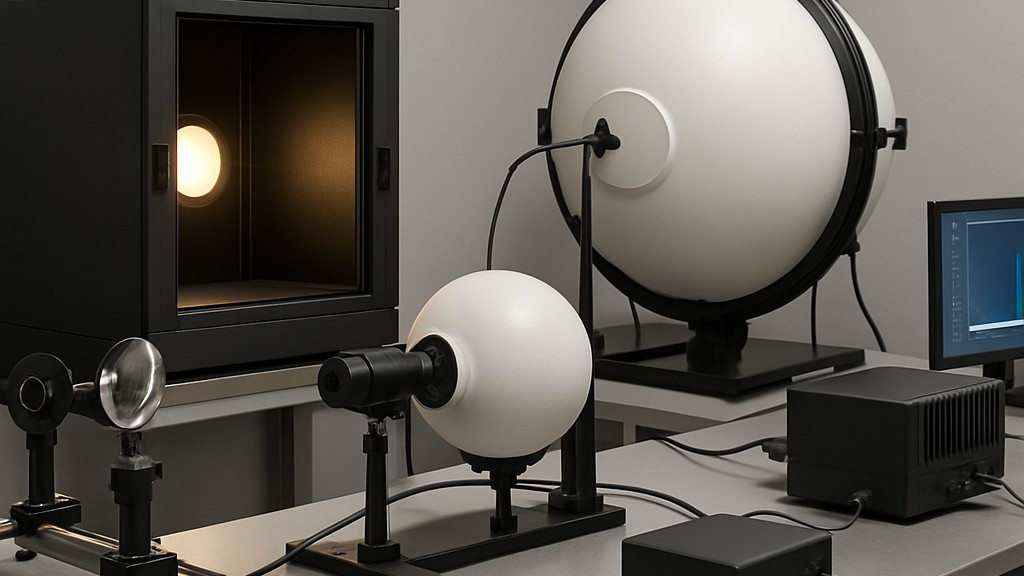
The measurement conditions for spectrophotometric characterization must comply with the ISO 15368 and ISO 19962 standards or an equivalent method. These conditions depend on the principle of the measurement method and the instruments used (such as the angle of incidence, polarization state, spectral range and bandwidth of the measurement beam) and must be recorded in sufficient detail to enable verification of the measurement.
The test methods are generally described in various sections of ISO 9022 and in ISO 9211-4. These test methods were selected to provide meaningful results representative of the actual exposure of optical elements in their operating environments, as an alternative to the minimum requirements described in ISO 9211-5 to ISO 9211-8, which are related to the coating type.
Before and after a coated sample (component or control sample) is subjected to any inspection or testing, the sample should be thoroughly cleaned as necessary to remove dirt, fingerprints, smudges, and similar residue. The recommended storage period is a minimum of 12 hours under ambient atmospheric conditions after coating, or as agreed upon between the manufacturer and the purchaser.
This standard describes the following test methods:
The minimum requirements apply to neutral beam-splitter coatings. The minimum requirements for all coating types are listed in the following tables:
This standard covers laser components with surface treatments and substrates defined in accordance with the definitions given in the ISO 9211-1 standard.
The ISO 9211 series of standards is important because it defines optical coatings used on optical elements such as lenses, mirrors, and windows, establishing clear specifications and terminology for them. This standard ensures consistency, quality, and performance in industries that rely on optical systems, such as aerospace, defense, medical devices, and imaging technologies.
These standards are considered important for the following reasons:
This ensures that coatings perform reliably under expected conditions.
As a result, ISO 9211 standards are essential for ensuring high performance, reliability, and consistency in optical coatings across a wide range of applications. They support efficient communication, improve product quality, and facilitate global trade and compliance.
Our organization, which has been supporting businesses across all sectors for years through a wide range of testing, measurement, analysis, and evaluation activities, has a strong team of employees who closely follow global developments in science and technology and are constantly improving themselves. In this context, we also provide testing services in accordance with the ISO 9211 Optics and Photonics - Optical Coatings standard.
To get an appointment, to get more detailed information or to request an evaluation, you can ask us to fill in our form and reach you.

