

With optical radiation testing and evaluation services performed in advanced laboratories, lasers and LEDs are measured and tested according to the industry's highest safety standards, which is a critical component in their access to both national and international markets.
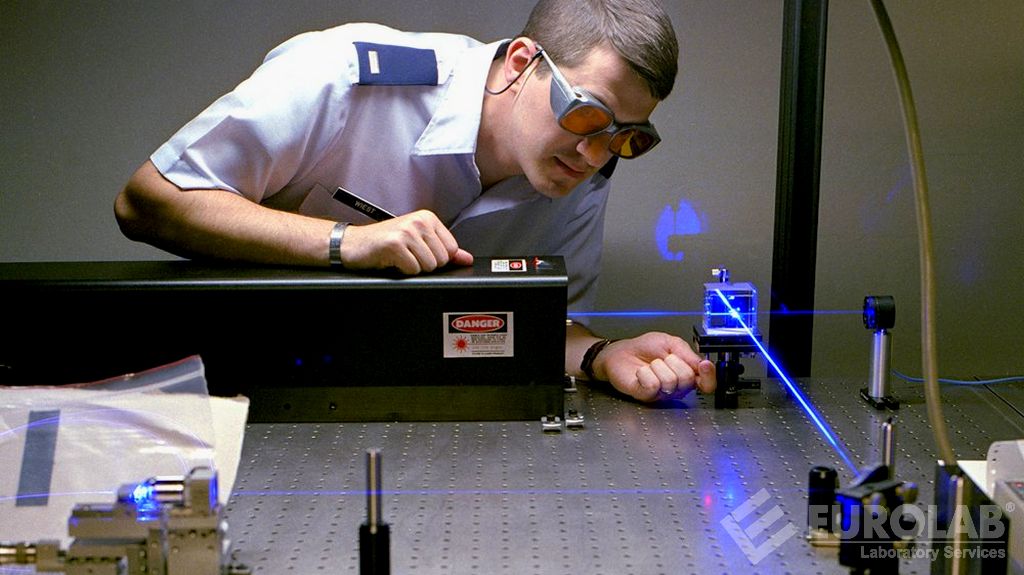
Lasers or LEDs are used in many products today, whether as a medical device or as an industrial-grade device or a piece of laboratory equipment, and laser and LED safety is always a critical concern for customers. Certification that this equipment complies with the latest radiation safety standards and obtaining a laser or LED certified label for products are among the commonly requested services.
Lasers provide many technological benefits, but additional safety concerns are also raised. Laser radiation is hazardous to the eyes or skin under certain conditions. The following two standards are based on the safety of laser products:
The primary purpose of these standards is to ensure that a product has appropriate safeguards to protect those who use it, maintain it, and service it.
Optical radiation safety is critical when designing laser-based products for compliance. Optical hazards are not considered in general product safety hazard assessments and cause product failures if safety precautions are not properly designed.
As the use and capabilities of LEDs increase, so do the photobiological safety concerns associated with them. The best example of these concerns is the blue light from phones and screens. The main standards that address photobiological hazards from LEDs are:
In order to determine the risk group hazard classification of a product as defined in the applicable standards, testing and evaluation is absolutely necessary.
Our organization also provides optical laser and radiation measurement and testing services with its trained and expert staff and advanced technological equipment, among the numerous test, measurement, analysis and evaluation studies it provides for businesses in various sectors.
To get an appointment, to get more detailed information or to request an evaluation, you can ask us to fill in our form and reach you.

