
Alkalinity is one of the most important factors measured in water chemistry. Alkalinity is a measurement of alkaline substances dissolved in water. This value is essentially higher than the pH value of 7,0. The alkalinity value refers to the ability of water to neutralize acid. There are three types of alkalinity that contribute to the total alkalinity of water: bicarbonate, carbonate, and hydroxide.
Pure water with a pH value of 7,0 has an excellent hydrogen balance in it. The molecules of this water dissociate into equal amounts of hydrogen and hydroxide ions. The alkalinity is calculated on this basis.
The pH value is always important. The pH of the water determines which type of alkalinity is most prevalent at that time.
Carbonic acid is dissolved carbon dioxide. A pH of 4,3 is the point at which alkalinity begins to appear in water. Below this value, the water has zero alkalinity. At a pH of 4.3, carbonic acid begins to transform into bicarbonate ions. For example, pool water should have a pH between 7,2 and 7,8.
At a pH of 8,3, carbonate ions appear and a transition from bicarbonate to carbonate ions occurs. The most common hydroxide in swimming pools is calcium hydroxide, around a pH of 12,6. Calcium hydroxide is the number one cause of increased alkalinity in the pool.
In short, the pH value controls the types of alkalinity present in the water.
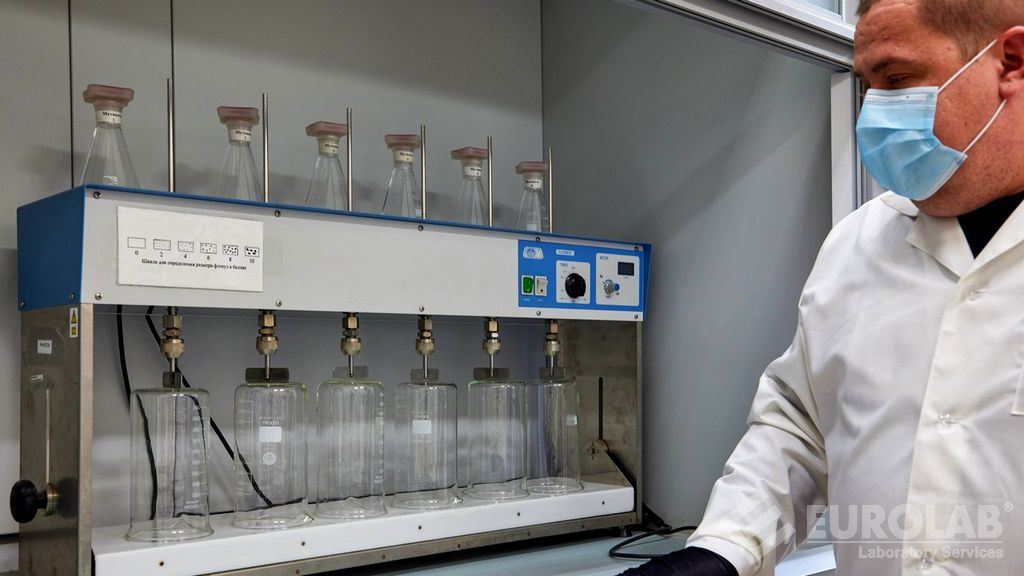
In the tests and analyzes carried out in our organization, which has a wide range of technological equipment, trained and experienced staff and applies the most modern methods, national and international standards and legal regulations in force are complied with. Free alkali or free alkalinity determination services are among the numerous tests performed in this context.
To get an appointment, to get more detailed information or to request an evaluation, you can ask us to fill in our form and reach you.