JIS K 3362 Test Methods for Household Synthetic Detergents
The “JIS K 3362 Test Methods for Household Synthetic Detergents” standard, developed by the Japan Industrial Standards Agency (JIS), describes methods for testing the quality of household synthetic detergents. This standard is used to evaluate the quality and performance of household synthetic detergents. It defines laboratory procedures for testing detergent composition, physical properties, cleaning efficiency, and safety-related chemical properties. This standard is widely used in Japan by detergent manufacturers, testing laboratories, chemical suppliers, and regulatory agencies.
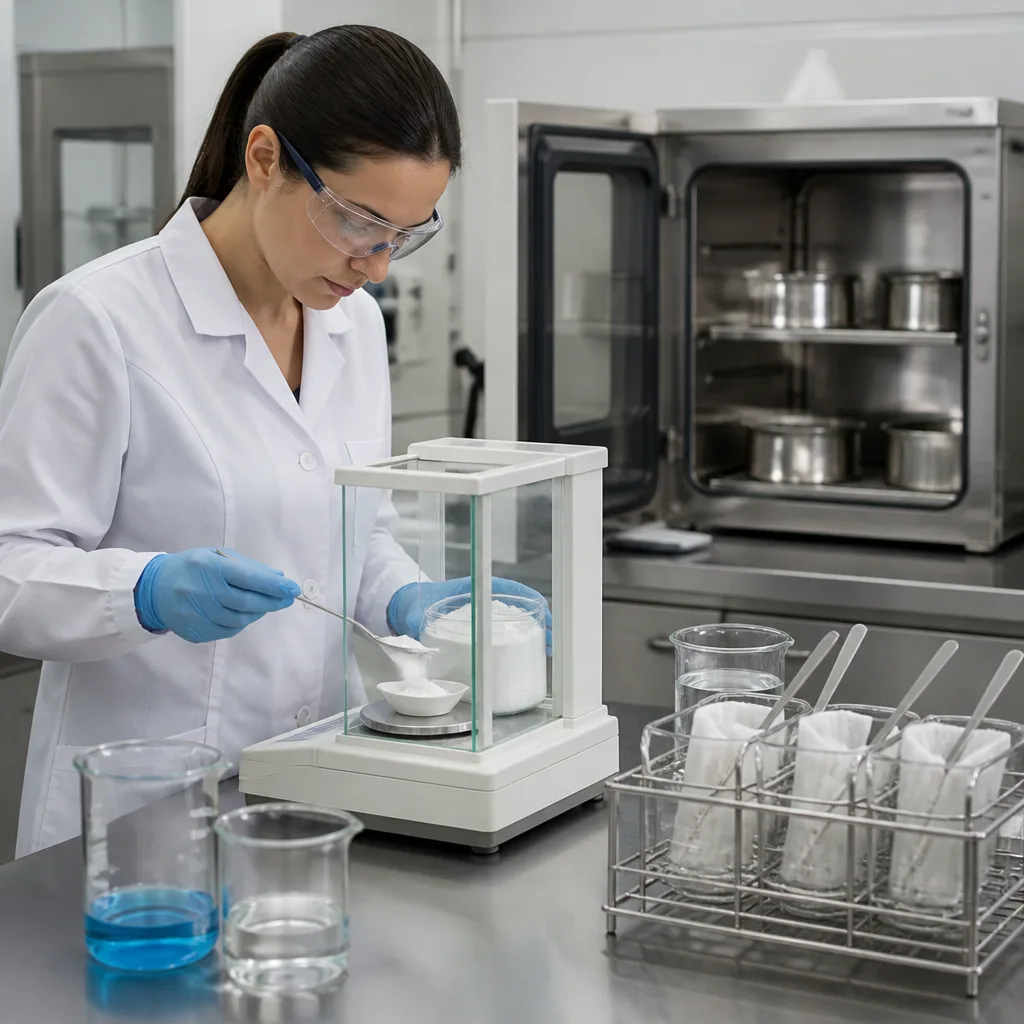
The main purpose of the JIS K 3362 standard is to ensure that household detergents...
- To ensure consistent cleaning performance.
- It must contain the correct surfactant composition.
- Maintaining its safe chemical properties
- To remain stable during storage and use.
- The goal is to ensure compliance with Japanese quality and environmental standards.
This standard applies to the following products:
- Laundry detergents
- Kitchen detergents
- Powder detergents
- Liquid detergents
- Surfactant-based cleaning formulations
The JIS K 3362 standard specifies standardized procedures for:
- Sampling methods
- Chemical analysis
- Physical tests
- Detergent performance evaluation
This standard establishes repeatable laboratory conditions so that detergent products can be objectively compared between manufacturers and laboratories.
The main sections of the JIS K 3362 standard are as follows:
- Sampling procedures: This standard defines methods for:
- Taking representative samples
- Preparation of laboratory samples
- Preventing contamination or decomposition
Since detergents typically contain mixtures of powders, liquids, surfactants, fillers, enzymes, and additives, accurate sampling is crucial.
- Chemical tests: These tests involve comprehensive chemical analyses of detergent components and contaminants. The defined chemical testing methods are as follows:
- Determination of the substance dissolved in petroleum ether.
- Determination of the substance that dissolves in ethanol.
- Characterization and determination of anionic surfactants.
- Characterization and determination of cationic surfactants.
- Characterization and determination of non-ionic surfactants.
- Urea determination
- Determination of surfactant equivalent content
- Determination of sodium carboxymethyl cellulose
- Peroxide determination
- Total phosphate determination
- Determination of silicate
- Determination of chloride
- Determination of zeolite
- Fluorescent brightener verification test
- Arsenic (As) limit test
- Heavy metals (as Pb) limit test
- methanol limit test
- Determination of ethanol
- Determination of water content
These analyses confirm both the accuracy of the formulation and consumer safety.
- Physical tests: These tests evaluate characteristics that affect usability and washing performance.
- Particle size
- Apparent density
- PH value
- Surface tension
- Foaming and foam stability
- Water hardness tolerance
For example, excessive foaming can negatively affect the washing machine's performance, while poor water stability in hard water reduces cleaning efficiency.
Surface tension testing is particularly important because detergents clean by reducing the surface tension of water and improving their wetting effect.
- Detergent performance assessment: One of the most important parts of this standard is the evaluation of cleaning performance. The detergent assessment and dirt re-accumulation prevention assessment method includes the following:
- Detergent performance evaluation method for laundry detergents.
- A detergent evaluation method for dishwashing detergents.
- Evaluation method for preventing dirt re-accumulation in laundry detergents.
These tests typically use the following:
- Standardized soiled fabrics
- Controlled washing conditions
- Reference detergents
- Visual or instrumental cleanliness assessment.
The aim is to determine how effectively a detergent cleans dirt such as oils, proteins, particulate matter, and food residue.
The latest revisions to this standard have also taken into account modern liquid detergent technologies and updated reference detergent compositions.
The JIS K 3362 standard is considered important for the following reasons:
- Consumer protection: This standard helps detergents ensure the following:
- Safe
- Chemically stable
- Correctly labeled
- Effective for home use
- Product consistency: Manufacturers use this standard to maintain consistent quality across production batches. Without standardized testing, detergent performance can vary significantly.
- International trade: This standard provides internationally accepted testing procedures that support export, supplier qualification, interlaboratory comparison, and procurement specifications.
- Environmental considerations: This standard includes the assessment of components such as phosphates and surfactants that can affect wastewater systems and aquatic environments. Historically, great emphasis has been placed on phosphate reduction in detergents, and therefore analytical verification has been important.
The latest update to the JIS K 3362 standard has modernized it to reflect changes in the detergent industry.
- Increased use of liquid detergents
- Updated surfactant technologies
- Revised detergent evaluation methods
- Modernized analytical procedures
This standard is commonly used in the following areas:
- Production of household chemicals
- Detergent development laboratories
- Quality control laboratories
- Surfactant production
- Legal compliance tests
- Consumer product certification
The JIS K 3362 standard refers to numerous analytical and chemical standards for reagents, laboratory methods, and materials. Examples include:
- Gas chromatography
- Reagent purity
- water analysis
- Washing machine operation
- Surfactant terminology
In conclusion, the JIS K 3362 standard is one of the most comprehensive standards for household detergent testing. It establishes standardized methods for analyzing detergent chemistry, physical properties, and cleaning performance, while promoting product quality, safety, environmental responsibility, and consumer confidence. The latest revision reflects the evolution of modern detergent technologies, particularly the transition to advanced liquid detergent systems and updated detergent assessment methodologies.
For many years, our organization, with its competent and experienced staff, has been understanding the needs of its clients, providing the advanced testing services they require, and assisting them in the establishment, implementation, and improvement of management systems. Within this framework, we also provide testing services in accordance with the JIS K 3362 standard.