
Salts are neutral ionic compounds formed by chemical combination of acid and base or by neutralization. Salts are formed when ions are joined by an ionic bond.
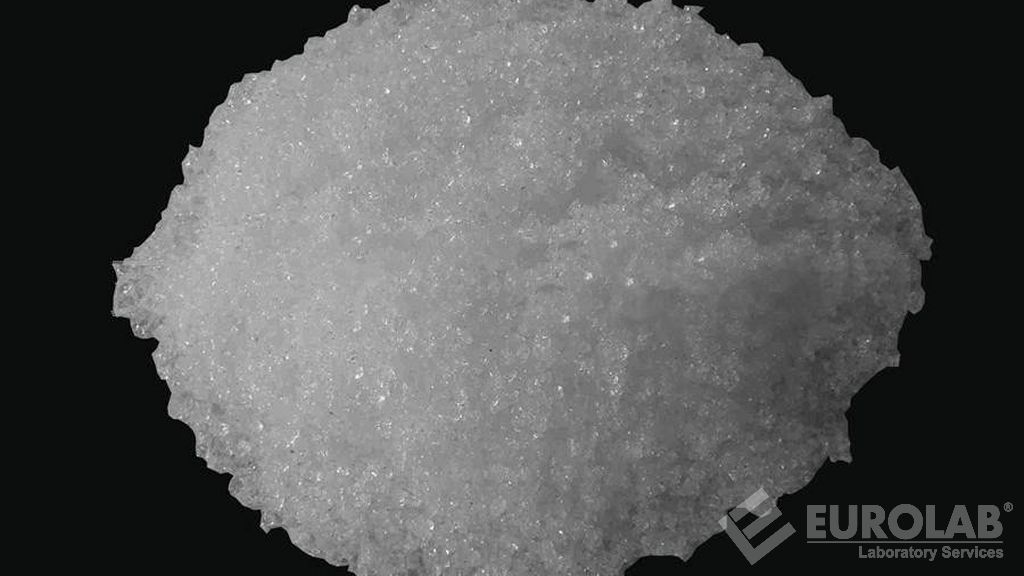
Inorganic salts are salts that do not contain CH bonds, unlike an organic salt. One of the most widely known salts is sodium chloride, a chemical compound composed of sodium and chloride ions.
Living organisms need inorganic salts to live and thrive. Some of the inorganic salts important for various bodily functions in humans include sodium chloride, calcium chloride, magnesium chloride, sodium bicarbonate, potassium chloride, sodium sulfate, calcium carbonate, and calcium phosphate. Inorganic salts dissociate into ions in solutions. These ions are essential for different metabolic activities of the cell. For example, in the sodium chloride compound, sodium ions in particular are necessary for the stimulation of neurons and muscle cells and for muscle contraction.
Aluminum or iron inorganic salts, on the other hand, are primary coagulants that neutralize charges on suspended particles. Salts also hydrolyze to form insoluble precipitates that trap particles. An important parameter in the purification process is the pH value of the water. Optimum coagulation efficiency with aluminum sulfate normally occurs in the range of 6,0-7,0. Iron coagulants can be used between 5,0-11,0.
In the tests and analyzes carried out in our organization, which has a wide range of technological equipment, trained and experienced staff and applies the most modern methods, national and international standards and legal regulations in force are complied with. Among the numerous tests carried out in this context, there are also services for the determination of inorganic salts.
To get an appointment, to get more detailed information or to request an evaluation, you can ask us to fill in our form and reach you.