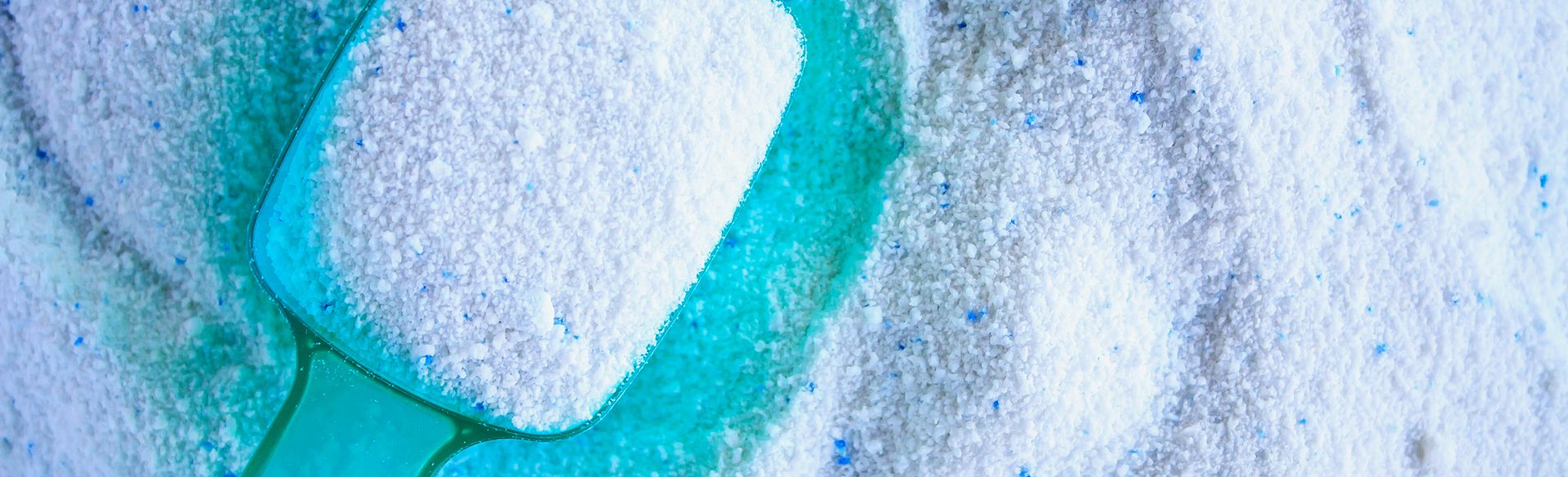
Anionic surfactants are organic substances. When these surfactants dissolve in water, negatively charged particles, ie anions, are formed. These are active wash ingredients. Conversely, cationic surfactants ionize in water as positively charged wash active cations and non-wash active anions.
Nonionic surfactants do not form cations or anions in water. Their solubility in water is based on the binding of hydrophilic moieties to water molecules.
Surfactants are the official name for surfactants. Surfactants inhibit surface tension and thus allow surfaces to be wetted quickly.
Anionic surfactants are straight chain hydrocarbons. These compounds are widely used in laundry detergents, dishwashing detergents and some shampoos. More common anionic detergents include alkyl sodium sulfates, alkyl sodium sulfonates, dioctyl sodium sulfosuccinate, and sodium lauryl sulfate. Many of these materials contain alkaline builders such as sodium phosphate, sodium carbonate, sodium metasilicate or sodium silicate to increase their effectiveness in hard water.
Most anionic detergents are mild to moderately toxic. Dishwashing products are considered the most toxic due to their high alkalinity.
In the tests and analyzes carried out in our institution, which has a wide range of technological equipment, trained and experienced staff and applies the most modern methods, national and international standards and legal regulations in force are complied with. Among the numerous tests carried out in this context, there are also anionic active substance determination services.
To get an appointment, to get more detailed information or to request an evaluation, you can ask us to fill in our form and reach you.