
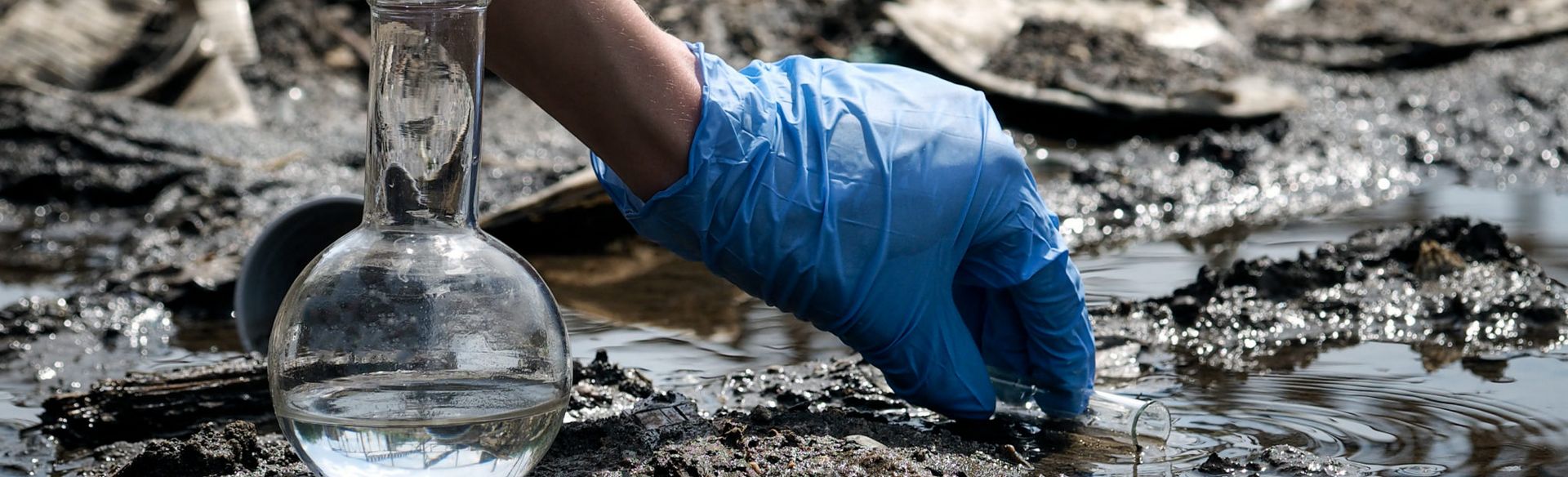
The standard “DIN 38414-14 German standard methods for the analysis of water, wastewater and sludge - Sludge and sediments (Group S) - Part 14: Determination of selected polyfluorinated compounds (PFCs) in sludge, compost and soil - High-performance liquid chromatography and mass spectrometric determination (HPLC-MS/MS) method”, published by the German Institute for Standardization (DIN), is a German national standard belonging to the comprehensive DIN 38414 series of standards. This series covers standardized methods for the analysis of sludge and sediments (group S) within the broader context of water, wastewater and sludge analysis.

This standard defines a reliable, reproducible analytical procedure for the quantitative determination of selected perfluoroalkyl substances (PFAS/PFCs) from the persistent “forever chemicals” group in solid environmental matrices. It applies to:
These substances pose significant environmental and health risks due to their persistence, potential for bioaccumulation, and widespread presence in sources such as fire-fighting foams, textiles, food packaging, and industrial processes.
The basic technique is high-performance liquid chromatography (HPLC-MS/MS) combined with tandem mass spectrometry, which provides high sensitivity and selectivity for the detection of trace amounts of per and polyfluoroalkyl substances.
The typical workflow includes the following:
The method initially targeted approximately 10–15 separate perfluoroalkyl compounds (mostly perfluoroalkyl carboxylic acids and perfluoroalkyl sulfonic acids). Today, laboratories are expanding the list of analytes beyond the minimum required by the standard (in practice, up to more than 30 compounds).
DIN 38414-14 is one of the most widely used national reference methods for perfluoroalkyl substances in solid samples.
This standard complements water/eluate methods such as DIN 38407-42 and supports regulatory monitoring under German soil protection laws, waste regulations and the European Union’s initiatives to restrict perfluoroalkyl substances.
Polyfluorinated compounds (PFCs) are industrially produced, persistent organic compounds in which some or all hydrogen atoms in the carbon skeleton have been replaced by fluorine atoms. Due to their properties and resistance, some of these compounds are used as surfactants in fire extinguishing foams, galvanic baths, and the photochemical industry. Numerous chemical products used in paper, textile, and leather impregnation contain these compounds as building blocks, production-related contaminants, or degradation products.
Polyfluorinated compounds can enter the water cycle through production, use, and disposal, and can adsorb to suspended matter and sediments in water. During wastewater treatment, polyfluorinated compounds can adsorb to sludge, and during agricultural use, they can lead to contamination of natural resources such as soil and groundwater. To date, perfluorooctanoic acid and perfluorooctanesulfonic acid compounds have been the most frequently studied. Therefore, these substances are considered the principal compounds for the presence of polyfluorinated compounds.
Consequently, with a few exceptions, perfluoroalkyl substances and compounds derived therefrom should no longer be used or placed on the market in the European Union. This standard provides a method for the determination of selected perfluoroalkyl substances in water sediment, sewage sludge, compost, and soil.
In short, the DIN 38414-14 standard describes a method for determining the anaerobic degradability of sludge and sediments by measuring biogas production under controlled laboratory conditions. This standard is widely used in environmental laboratories, wastewater treatment plants, and research institutions to evaluate how organic matter behaves during anaerobic digestion.
The main objectives of this standard are:
This testing method helps engineers and plant operators determine whether the sludge possesses the following characteristics:
The method is based on the following:
The increase in gas production reflects the decomposition of organic matter.
Generally, the testing process follows these steps:
The key parameters identified are as follows:
These results are used for the following purposes:
The DIN 38414-14 standard applies in the following areas:
DIN 38414-14 is considered necessary for the following reasons:
Without such standardized methods, results from different laboratories would not be comparable, leading to incorrect digestive system design or operational problems.
Consequently, the DIN 38414-14 standard remains a fundamental method for targeted perfluoroalkyl substance analysis in solid matrices in German environmental laboratories, and is frequently referenced in pollution assessments, remediation projects, and research on persistent chemicals in soil and sludge.
For many years, our organization, with its competent and experienced staff, has been understanding the needs of its clients, providing the advanced testing services they require, and assisting them in the establishment, implementation, and improvement of management systems. Within this framework, we also provide testing services in accordance with the DIN 38414-14 standard.
To get an appointment, to get more detailed information or to request an evaluation, you can ask us to fill in our form and reach you.

