

JDQ standards are technical standards developed by John Deere to ensure the quality, performance, and durability of materials, components, and electronics used in agricultural and off-road vehicle equipment. The published “JDQ 117 Specification for Electroplating Zinc and Zinc Cobalt Coatings” standard is a quality standard that defines requirements for material content restrictions. It is designed to ensure that all products and parts supplied to the company comply with global environmental regulations and internal sustainability goals.
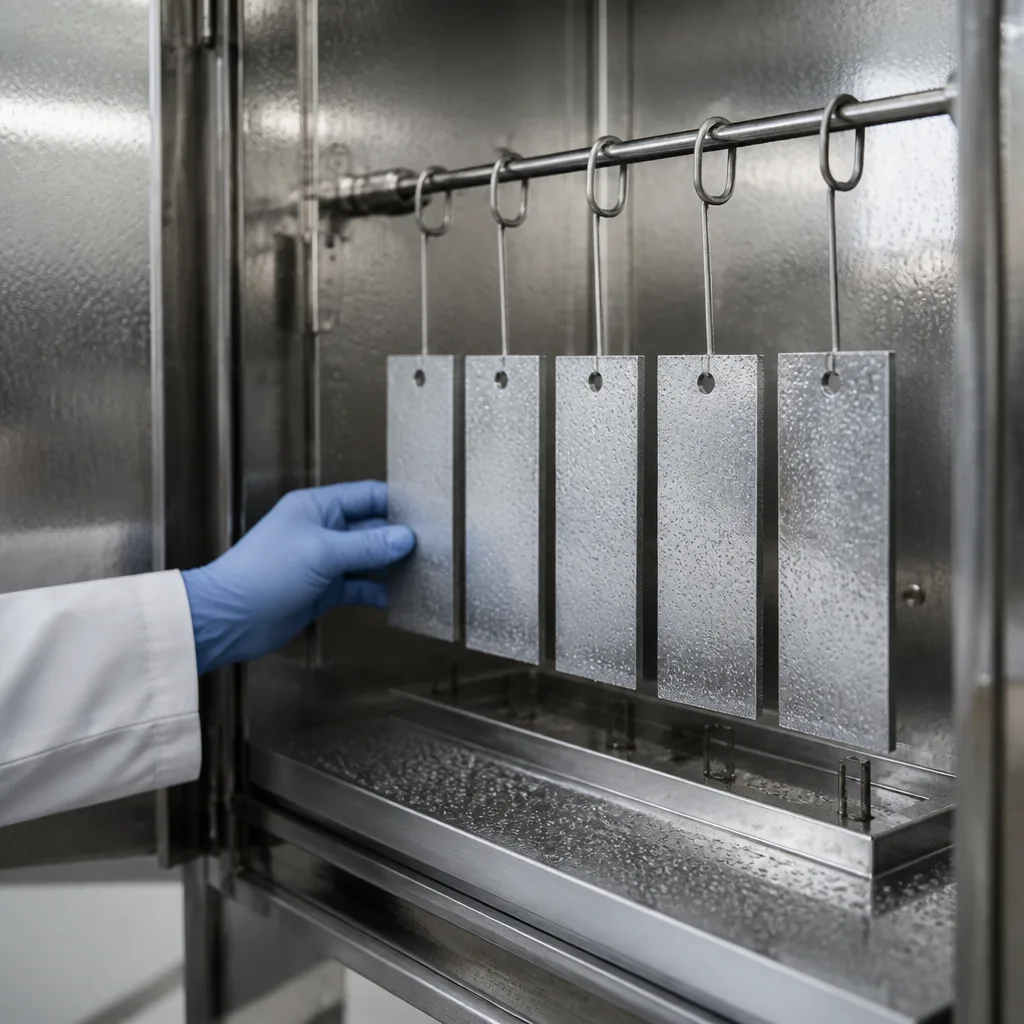
The JDQ 117 standard defines the requirements for electroplating zinc and zinc-cobalt coatings, commonly used to protect metal components from corrosion in harsh environments. This standard is particularly important in industries such as agriculture, construction equipment, and automotive manufacturing, where components are exposed to moisture, chemicals, and mechanical stress.
The JDQ 117 standard specifies the following:
The JDQ 117 standard is explicitly defined as a specification for zinc and zinc-cobalt electroplating systems.
The objectives of this standard can be summarized as follows:
The basic technical requirements have been defined as follows:
Thicker coatings generally provide better corrosion resistance, but can affect tolerances.
These tests simulate real-world environmental exposure to ensure durability.
The coating must have the following characteristics:
Zinc and zinc-cobalt coatings can be compared in the following way:
Features: Zinc Plating, Zinc-Cobalt Plating
Zinc-cobalt coatings are often preferred for more demanding applications where higher durability is required.
The JDQ 117 standard is commonly used in the following areas:
These parts typically operate outdoors or in corrosive environments, making protective coatings essential.
The JDQ 117 standard is part of a broader coating and testing framework that includes the following standards:
Together, these standards provide a complete assessment of coating performance.
The importance of the JDQ 117 standard stems from a very practical reason: without strict control over protective coatings, metal parts fail much faster than most people expect. This standard prevents this from happening. The main reasons why this standard is considered important are as follows:
This standard requires coatings to pass corrosion tests (such as salt spray testing), ensuring they withstand not only ideal conditions but also real-world conditions.
This standard helps maintain mechanical integrity and safety over time.
This standard provides a predictable framework around which engineers can design.
In conclusion, the JDQ 117 standard is a critical specification regulating electroplating zinc and zinc-cobalt coatings. This standard ensures reliable corrosion protection, consistent quality, and long-term durability of metal components under demanding operating conditions.
In industries where equipment must operate reliably outdoors and under stress, JDQ 117 and similar standards are vital for engineering integrity and lifecycle performance.
For many years, our organization, with its competent and experienced team, has been understanding the needs of its clients, providing the advanced testing services they require, and assisting them in the establishment, implementation, and improvement of management systems. Within this framework, we also provide testing services compliant with the JDQ 117 standard.
To get an appointment, to get more detailed information or to request an evaluation, you can ask us to fill in our form and reach you.

