

The “Volvo STD 120-0015 Surface requirements - Metal surfaces - Construction equipment” standard, developed by Volvo, is a corporate standard that defines surface quality requirements, particularly regarding the visual and tactile orientation/appearance of surfaces on components and products. This standard specifies different surface classes (typically numbered as Class 1, 2A, 2B, 3, etc.) that control acceptable levels of surface defects.
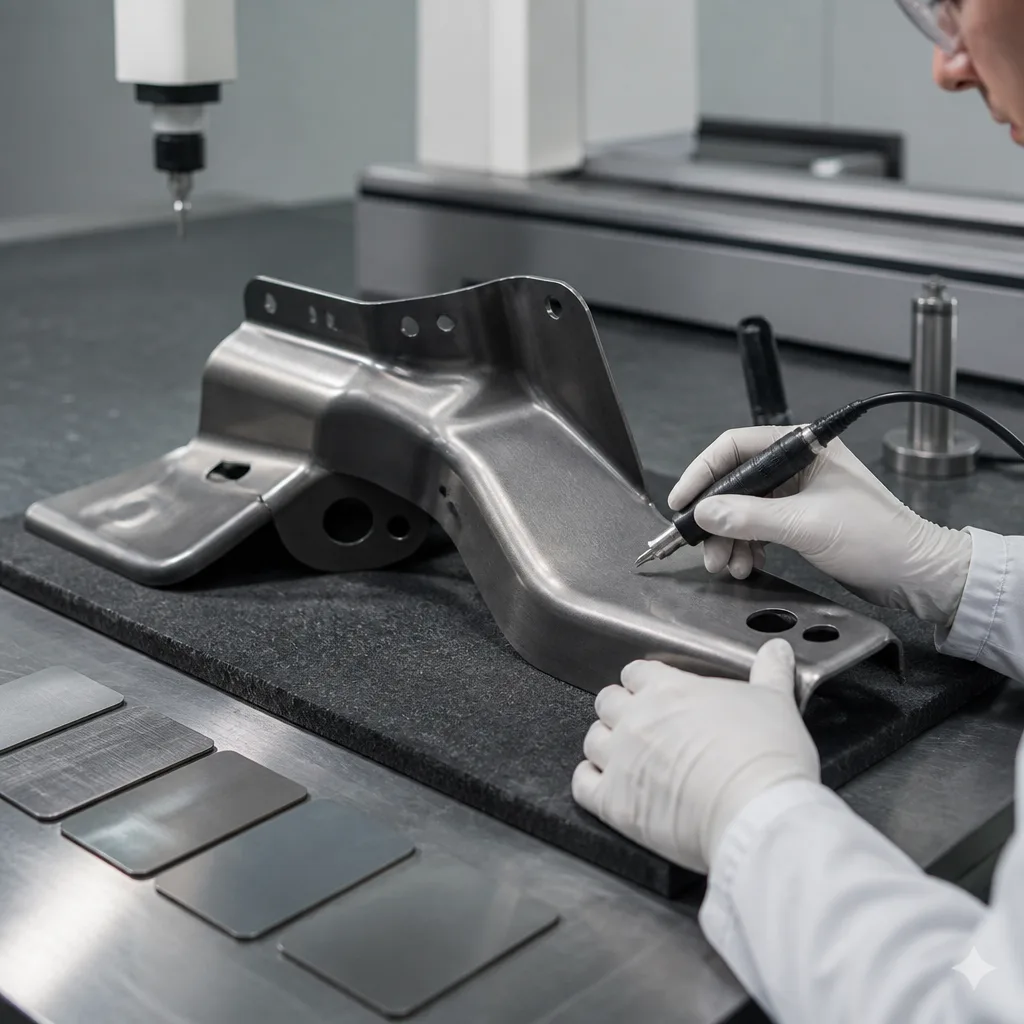
This standard provides clear guidelines on the following:
The main objective of this standard is to ensure consistent appearance and quality across Volvo Group products (such as trucks, buses, and construction equipment).
This standard is contractually binding for suppliers. It helps Volvo maintain its high quality standards for aesthetics, corrosion protection and durability. It is part of the broader Volvo corporate standards system (along with standards for materials, coatings, tolerances, etc.).
Relevant standards include the following:
Volvo STD 120-0015 is a technical specification used in Volvo construction equipment manufacturing to define acceptable surface quality levels for metal surfaces prior to painting and surface treatment. This standard focuses on visible and invisible defects in sheet metal and fabricated components used in heavy machinery such as excavators, wheel loaders, articulated dump trucks, and other construction equipment.
This specification is particularly important because painted surfaces on heavy equipment are expected to maintain both functional corrosion resistance and high visual quality under demanding operating conditions. This standard establishes consistent inspection criteria to ensure suppliers, manufacturers, and paint shops evaluate surfaces in the same way.
The main objective of the Volvo STD 120-0015 standard is to ensure that metal surfaces undergoing painting are free from unacceptable defects that could lead to the following:
This standard applies up to the beginning of the surface treatment process and does not cover casting defects or long-term service life performance.
The Volvo STD 120-0015 standard classifies surfaces into different quality grades depending on how visible the surface area is on the finished machine:
These grades correspond to appearance expectations for painted construction equipment. Higher grade surfaces require more stringent defect control. For example,
This standard specifies detailed inspection requirements to ensure consistent visual assessment. Surface assessment should be performed under the following conditions:
Inspectors should evaluate surfaces preferably at a right angle to the component surface.
This standard classifies defects as measurable and immeasurable defects:
The specification defines the maximum permissible values depending on the surface class:
This standard uses visual rating categories:
A significant update in the latest version of this standard is the introduction of clarified requirements for factory flake marks. Factory flake is an oxide layer that forms during the hot rolling of steel. If not properly controlled, it can lead to:
This standard limits the acceptable area of impact and defines how auditors should assess such defects in a given audit area.
The specifications also limit the number of defects that can appear in a local surface area. For example,
This prevents clusters of defects from detracting from the visual appearance of the painted components.
As part of sheet metal hygiene, all surfaces must be free of contaminants such as sandblasting sand, water, and rust-preventing oils before painting. Contamination control is crucial because trapped residues can cause coating failures, blistering, or corrosion under the paint system.
The Volvo STD 120-0015 standard is critical in heavy equipment manufacturing because it directly affects:
The Volvo STD 120-0015 standard generally applies to the following:
For many years, our organization, with its competent and experienced staff, has been understanding the needs of its customers, providing the advanced testing services they require, and assisting them in the establishment, implementation, and improvement of management systems. Within this framework, we also provide testing services in accordance with the Volvo STD 120-0015 standard.
To get an appointment, to get more detailed information or to request an evaluation, you can ask us to fill in our form and reach you.

