

Developed by Volvo, the “Volvo STD 121-0001 Painting Y 600 - Metal Surfaces” standard is a key corporate standard of the Volvo Group that defines the requirements for painting and surface treatment of metallic components, primarily steel, aluminum, and zinc-coated surfaces. This standard forms a critical part of Volvo's overall quality and durability specifications for trucks, construction equipment, buses, and marine/industrial power systems.
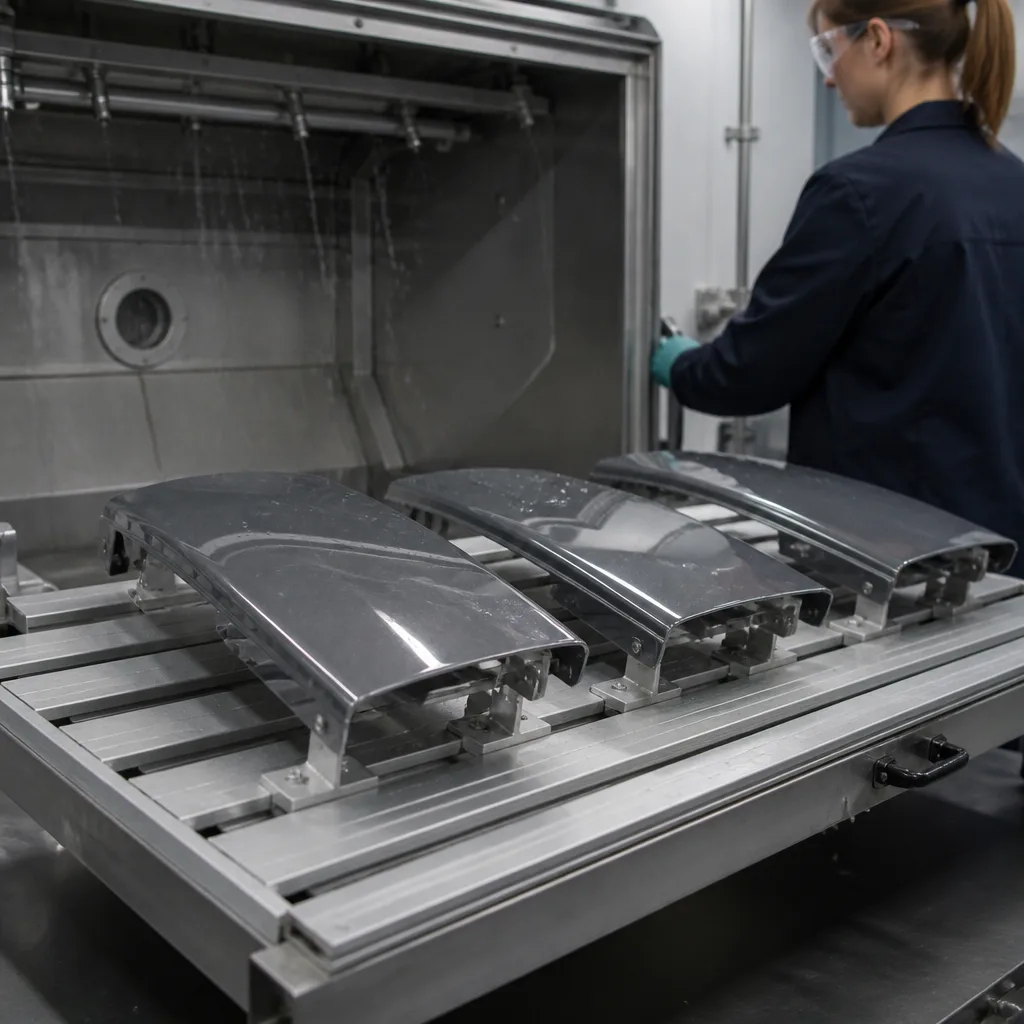
This standard guarantees that painted metal parts provide excellent corrosion protection, aesthetic quality, durability, and environmental compliance throughout Volvo’s global supply chain. It is legally binding on suppliers when referenced in contracts or drawings.
This standard applies to:
This standard does not apply to plastic surfaces. These are covered by the relevant STD 121-0002 standard.
The Volvo STD 121-0001 standard specifies detailed requirements in various areas:
Suppliers must select and verify the appropriate class based on the component's function and location.
Suppliers and testing laboratories typically evaluate parts according to the Volvo STD 121-0001 standard using the following test methods:
All Volvo suppliers must comply with this standard when specified in engineering drawings or purchase orders. Non-compliance may result in the rejection of parts or removal from the approved supplier list.
In short, the Volvo STD 121-0001 standard describes paint grades, corrosion resistance levels, adhesion criteria, environmental durability requirements, and test procedures for coated metallic components. This standard is widely applied to vehicles including trucks, buses, construction equipment, and industrial vehicles, ensuring consistent coating quality and long-term durability.
This standard aims to ensure that painted metal parts meet the following criteria:
Without such a standard, painted vehicle components can develop problems such as premature rusting, peeling, fading, or coating issues under harsh operating conditions.
The Volvo STD 121-0001 standard applies to metallic surfaces, including:
This standard covers:
This standard also defines additional requirements for severe environmental exposure, UV resistance, and stone impact resistance. One of the most important parts of this standard is the classification system known as the Y 600 classes:
The goal of this process is to test the role and privilege manipulation in order to access the resources of a
The Volvo STD 121-0001 standard defines comprehensive laboratory and environmental performance criteria:
For most Y 600 grade coatings, the coating needs to achieve an adhesion level of 1 or 0 at most, depending on the method used.
This is especially critical for:
The aim is to prevent the following:
Typical requirements include:
The Volvo STD 121-0001 standard is used for the following:
This standard is particularly important in climates with a high risk of corrosion and in challenging working environments.
In conclusion, the Volvo STD 121-0001 standard represents Volvo's commitment to high-quality, long-lasting surface protection on metal components. It combines performance, appearance, and sustainability requirements that help vehicles and equipment maintain their value and reliability even under demanding operating conditions.
For many years, our organization, with its competent and experienced staff, has been understanding the needs of its customers, providing the advanced testing services they require, and assisting them in the establishment, implementation, and improvement of management systems. Within this framework, we also provide testing services in accordance with the Volvo STD 121-0001 standard.
To get an appointment, to get more detailed information or to request an evaluation, you can ask us to fill in our form and reach you.

