

JDQ standards are technical standards developed by John Deere to ensure the quality, performance, and durability of materials, components, and electronic parts used in agricultural and off-road vehicle equipment. The published standard, “JDQ 201 Testing of Electronic and Electrical Devices - Environmental and Mechanical Loads,” describes the environmental and mechanical test procedures, test parameters, and pass/fail criteria to be used in testing electrical, electronic, and electromechanical components and parts, as well as complete machine systems.
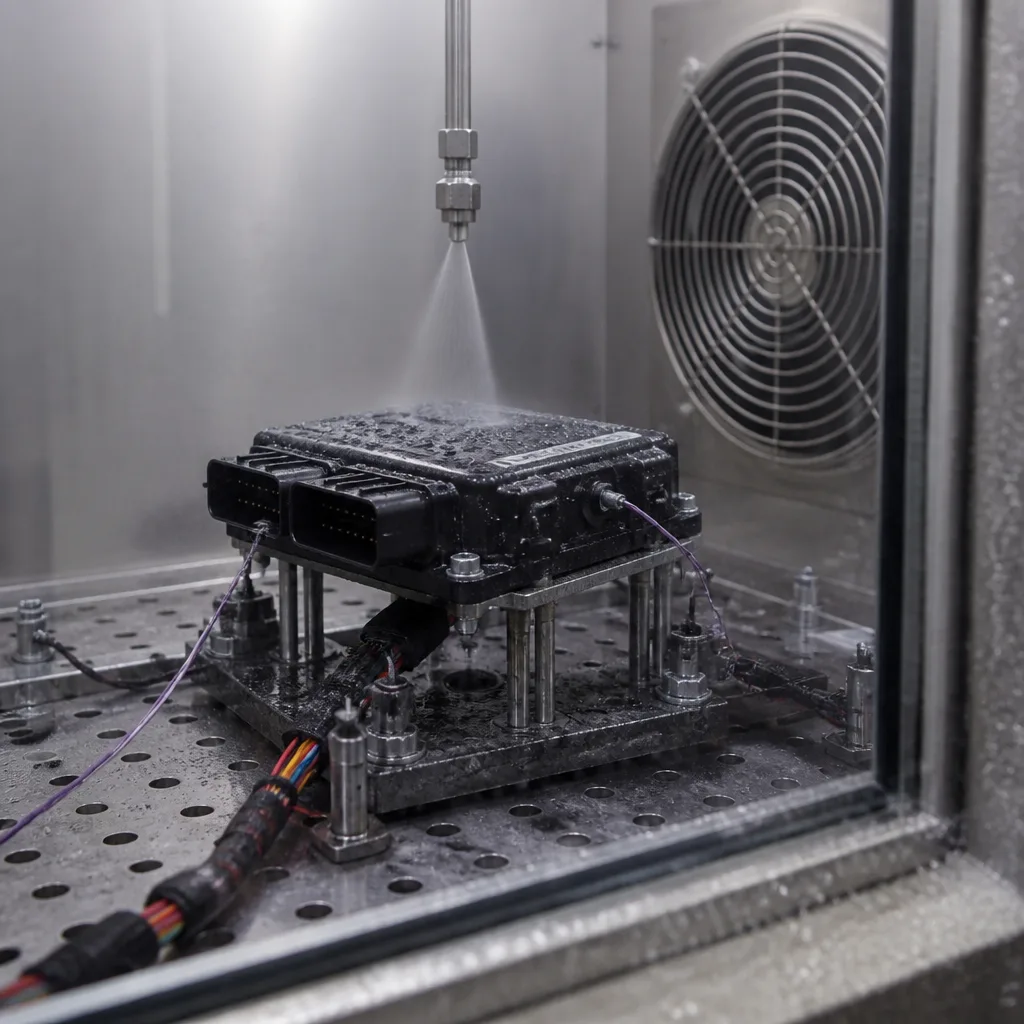
Devices covered by this standard include, but are not limited to, electronic control or monitoring devices (e.g., transmission or engine control units, telematics and displays) and electrical components such as sensors, switches, relays, circuit breakers and thermostats.
In the high-risk world of automotive engineering, consistency is not just a goal, but also a legal and safety requirement. The JDQ 201 standard is a critical technical specification used to define quality requirements and test protocols for raw materials and components, primarily by major automotive manufacturers.
Essentially, this standard is a specific standard that outlines the technical delivery conditions for materials. While standards like ISO cover broad international criteria, JDQ standards provide detailed information required for specific vehicle platforms. It guarantees that each supplier, regardless of geographic location, provides materials that meet the exact physical and chemical criteria required for the vehicle's lifecycle.
The JDQ 201 standard generally focuses on several key areas of material integrity:
For engineers and procurement specialists, JDQ 201 is a rulebook for preventing major failures. By adhering to this standard, manufacturers can ensure the following:
The JDQ 201 standard often works in conjunction with other international and regional specifications. For example, while this standard defines the quality of a plastic inner component, standards such as ECE R118 (relating to the flammability behavior of materials) or UN 3373 (for special transport containers) can be referenced to ensure the component complies with broader environmental or safety regulations.
In short, the JDQ 201 standard defines how electronic and electrical components used in off-road machinery (e.g., tractors, combine harvesters, construction equipment) should be tested to ensure their durability under demanding operating conditions.
The JDQ 201 standard includes subgroups of environmental or mechanical stress tests. For example, the JDQ 201 standard specifically covers environmental exposure tests and generally focuses on the following:
This section is further divided into different subtests. Each subtest defines a different temperature profile or exposure time.
Section A of JDQ 201 guarantees that the components will provide the following:
This is very important because agricultural and construction machinery is often used outdoors, in remote locations, and across a wide temperature range.
Typical test conditions, while depending on the specific subtest, generally include the following:
The JDQ 201 standard is part of a broader validation framework:
Together, these form a comprehensive suite of durability and reliability tests for electronic systems.
The JDQ 201 standard is considered important for the following reasons:
By implementing this standard,
As automotive technology shifts towards electric vehicles and autonomous systems, standards like JDQ 201 continue to evolve to include new requirements for lightweight composites and high-voltage insulation materials. For any professional in the automotive supply chain, a thorough understanding of this specification is essential to maintaining a competitive and safe manufacturing process.
For many years, our organization, with its competent and experienced team, has been understanding the needs of its clients, providing the advanced testing services they require, and assisting them in the establishment, implementation, and improvement of management systems. Within this framework, we also provide testing services compliant with the JDQ 201 standard.
To get an appointment, to get more detailed information or to request an evaluation, you can ask us to fill in our form and reach you.

